01
Catedral de Valencia (Plaza de la Reina)
Opening hours: Mon–Fri 10:30 AM–6:30 PM, Sat 10:30 AM–5:30 PM, Sun 2:00 PM–5:30 PM (last entry one hour before closing).
Tickets: €10, reduced rates available (Valencia residents, children, pensioners).
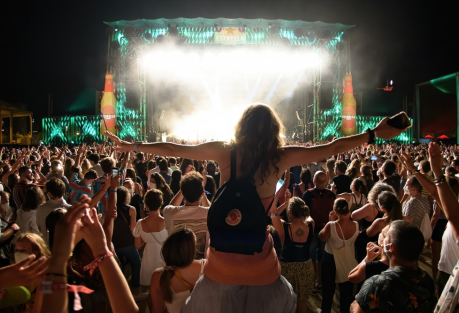
Valencia is Spain's third-largest city, founded by the Romans over two thousand years ago. Gothic cathedrals here sit alongside a Moorish heritage and futuristic architecture, and the city's many-layered history is reflected in its everyday life too. Many residents speak Valencian — the region's second official language, used on equal terms with Spanish in schools, universities, and government institutions. Like many Spanish cities, Valencia lives by its own festive calendar: from the famous Las Fallas to local festivals.
Valencia is often seen as a calmer alternative to Barcelona: there are considerably fewer tourists, yet it retains the feel of a fully fledged big city with a vibrant cultural life, its own cuisine (not just paella), and endless beaches.
The best way to get to know Valencia is to move from the historic centre towards the City of Arts and Sciences in the Turia park, gradually working your way to the seaside neighbourhoods and the beach.
*Information on opening hours and prices is correct as of June 2026
Opening hours: Mon–Fri 10:30 AM–6:30 PM, Sat 10:30 AM–5:30 PM, Sun 2:00 PM–5:30 PM (last entry one hour before closing).
Tickets: €10, reduced rates available (Valencia residents, children, pensioners).
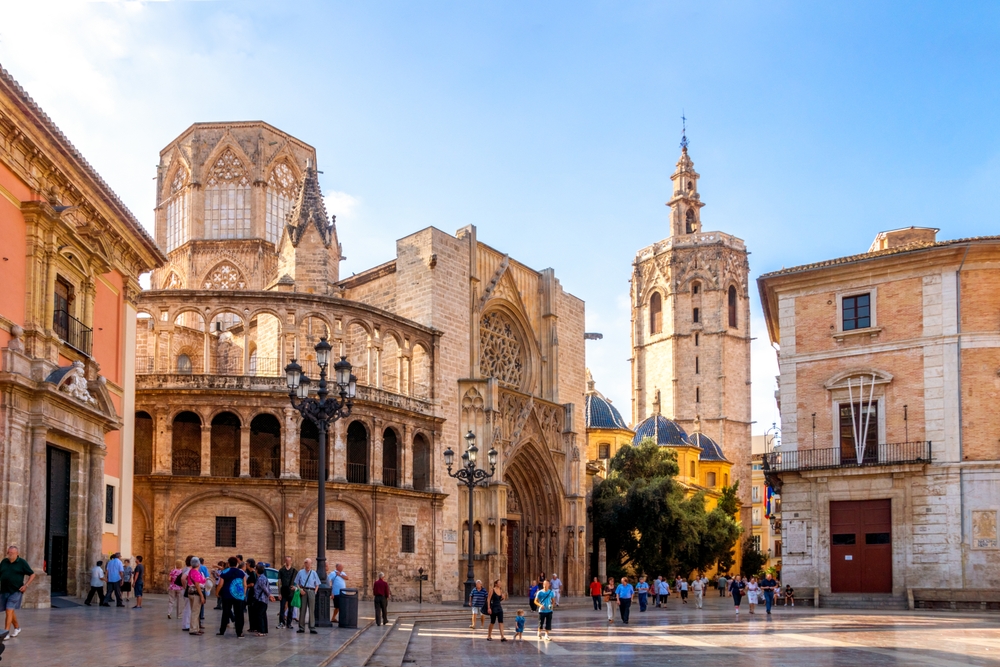
The first stop on Valencia's long must-see list is the Cathedral on the Plaza de la Reina. Construction began in the thirteenth century on the site of a former mosque, and before that, a Roman temple stood here. As a result, the building is anything but uniform: inside and out, Gothic, Baroque, and Renaissance styles combine, and this is clearly visible even without a guided tour. It's worth going inside with an audio guide to see the Holy Grail — the only one recognised by the Vatican as genuine. It is one of the few such artefacts available for viewing, and it makes the place significant for all of Europe. The exterior is worth attention too: from different angles it looks like entirely different buildings, and this is one of those cases where it's worth spending an extra ten minutes simply walking around it.
Opening hours: daily from 10:00 AM to 6:45 PM (last entry half an hour before closing).
Ticket: €2.50, reduced rates available (Valencia residents, children, pensioners).
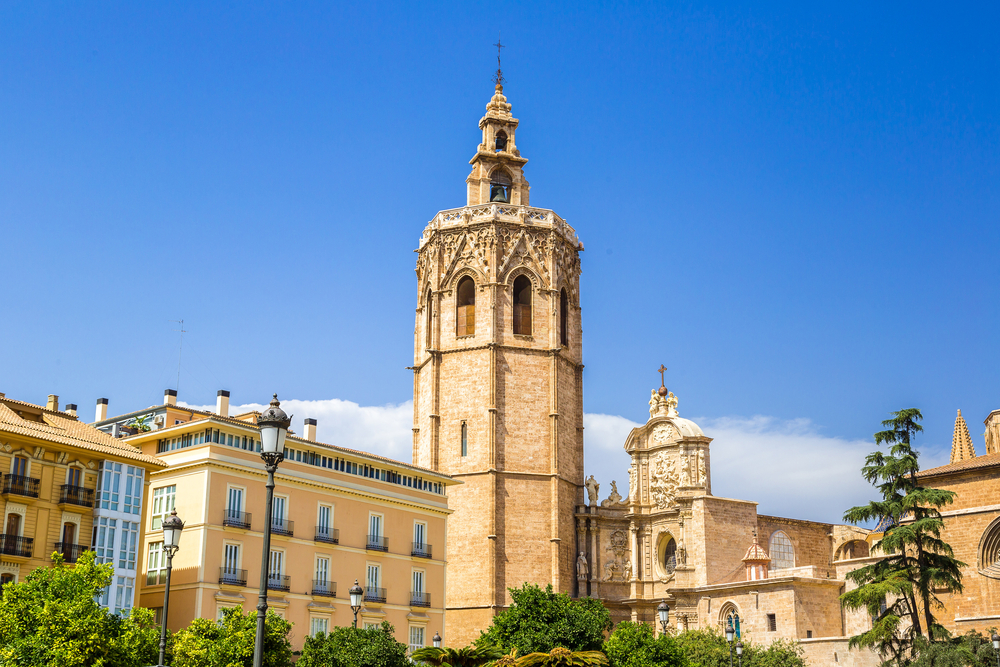
This tower, around 50 metres high, is a separate attraction adjoining the Cathedral, climbed for the view over the city. The ascent is via a narrow spiral staircase of 207 steps, with no lift. From the top, you can clearly see how the city is laid out: the dense historic centre gives way abruptly to the green line of the Turia. It's one of the best ways to grasp Valencia's geography quickly. The best times to climb are in the morning or at sunset, when the light is soft, and there are fewer people. Even if you're unsure whether it's worth the climb, this is one of those views you'll remember longest.
Opening hours: Mon–Sat 10:00 AM–7:00 PM, Sun 10:00 AM–2:00 PM.
Ticket: €2, free on Sundays and public holidays.
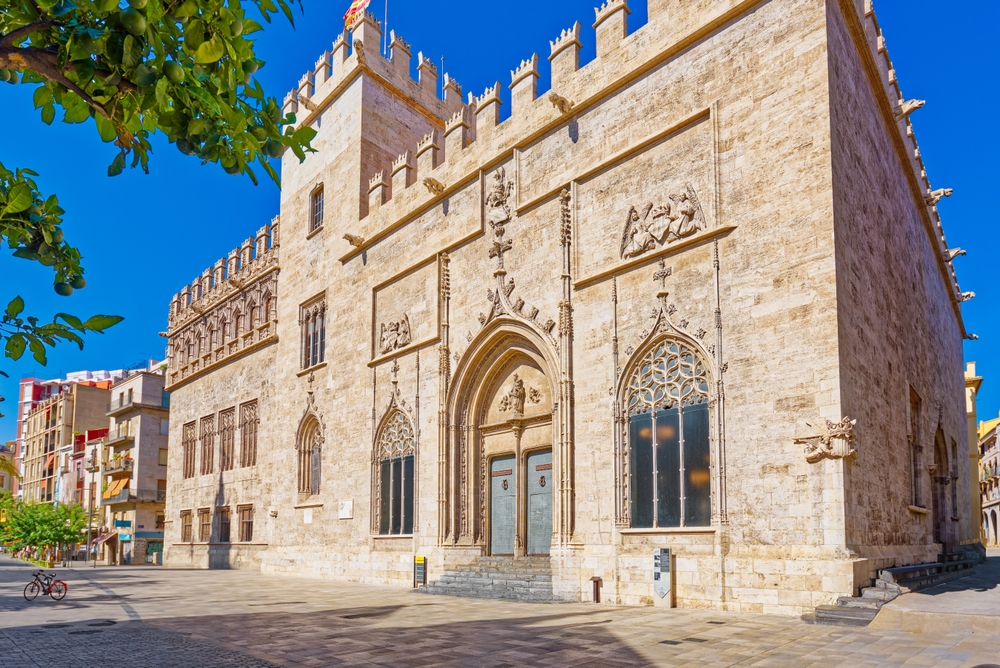
The fifteenth-century Silk Exchange is a building of incredible beauty and one of the main symbols of Valencia's golden age of commerce. At the time, the city was a major trading hub of the Mediterranean, and it was here that deals were struck. Inside is a high hall with twisted columns. The space looks almost theatrical and makes an impression even without any knowledge of its history. In the inner courtyard, there is a small orange garden (Patio de los Naranjos), accessible only with an entry ticket. It's a quiet, secluded space with soft light, where it's pleasant to stop and catch your breath after touring the halls.
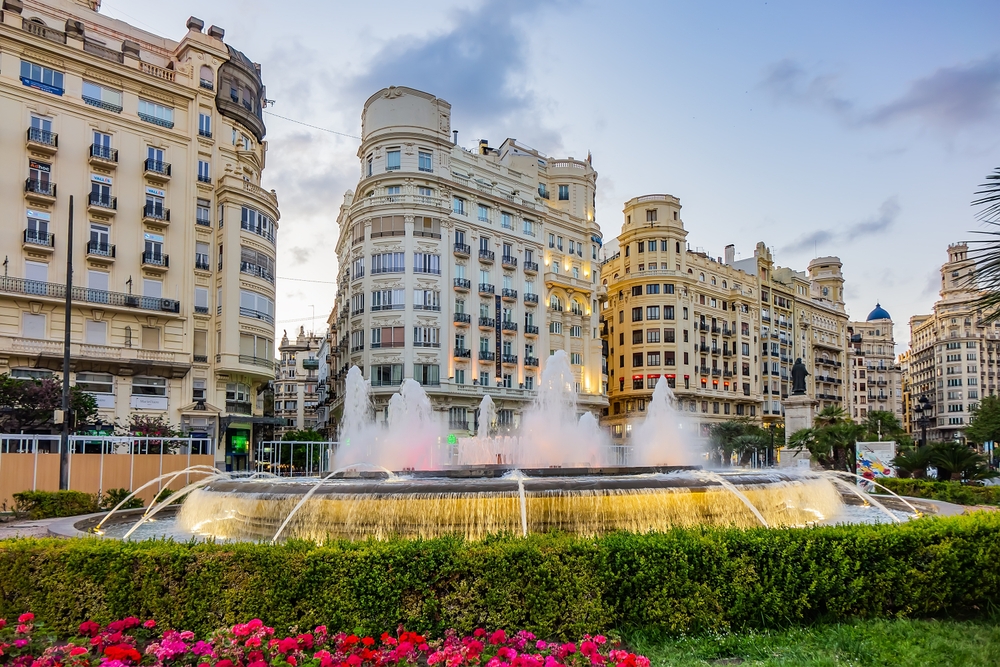
Valencia's central square is where transport flows, city life converges, and the administrative quarter is located. Large early-twentieth-century buildings surround it: on one side, the City Hall (Ayuntamiento de Valencia) with its tower and balcony; on the other, the Post Office (Palacio de Correos) with its high dome and decorative interior. The square looks grand and slightly official, yet it is constantly alive: flower stalls give it a festive look, and major city events, festivals, and everyday life all take place here. Tip: You can enter the City Hall free of charge in the mornings — Monday to Friday from 8:00 AM to 2:00 PM. During your visit, you can step out onto the balcony overlooking the square and look into the historic council chamber. There's also a small city museum where you can see old maps of the city and large archive books — a nice detail that many people miss.
Opening hours: Tue–Sa,t 10:00 AM–2:00 PM and 4:00 PM–8:00 P, Su,n until 2:00 PM.
Ticket: €3, free at weekends from 4:00 PM.
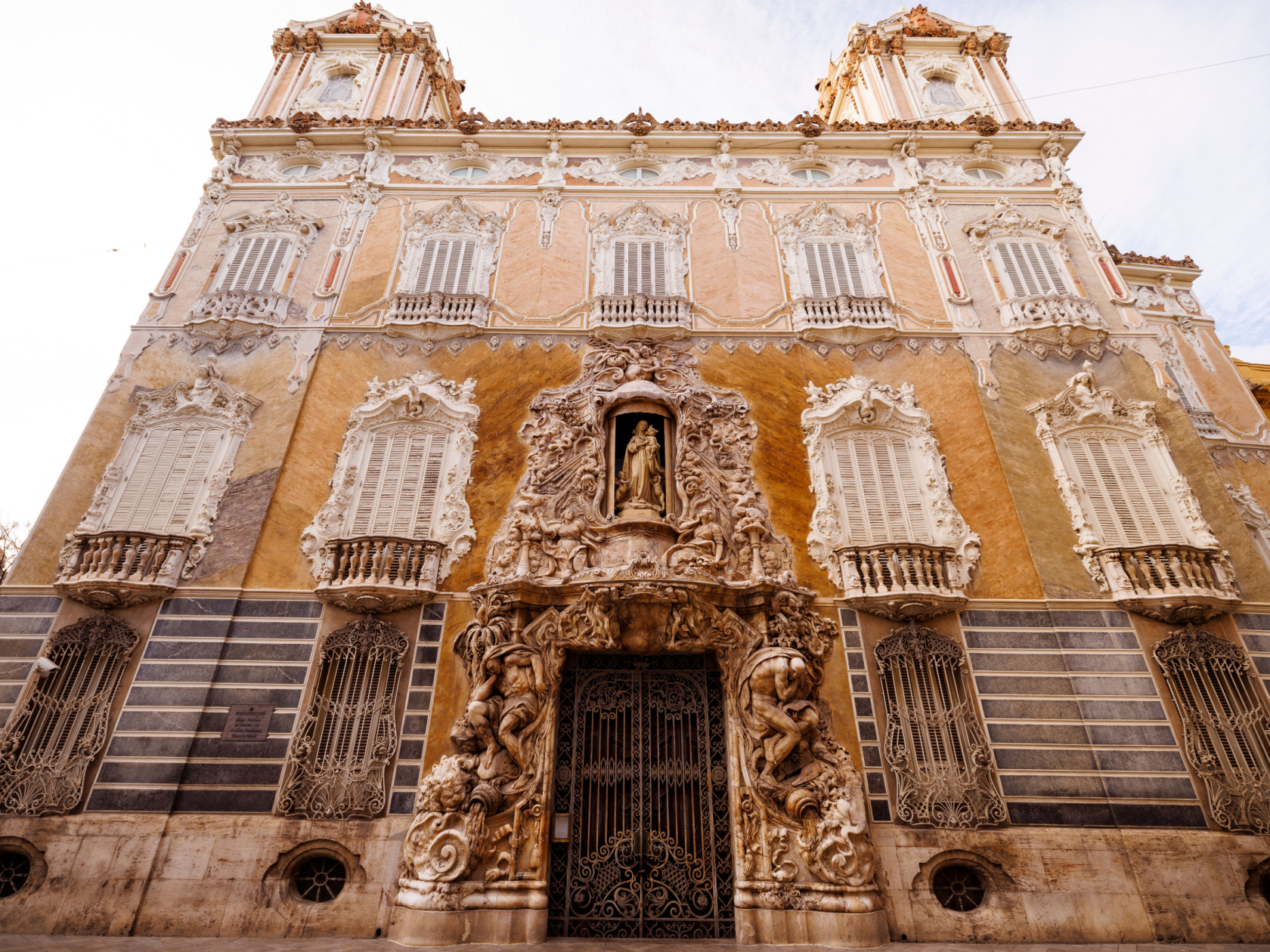
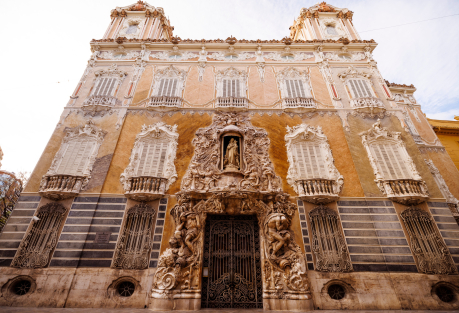
One of the most beautiful palaces in the city, easily recognised by its richly decorated façade. It now houses the National Ceramics Museum. Even if you don't go inside, it's worth approaching to examine the details — the façade here is a work of art in itself. Inside, there is not only ceramics but also restored interiors: bedrooms, dining rooms, and halls. This gives a sense of how the local aristocracy lived — you can see daily life in detail, from chamber pots to golden carriages.
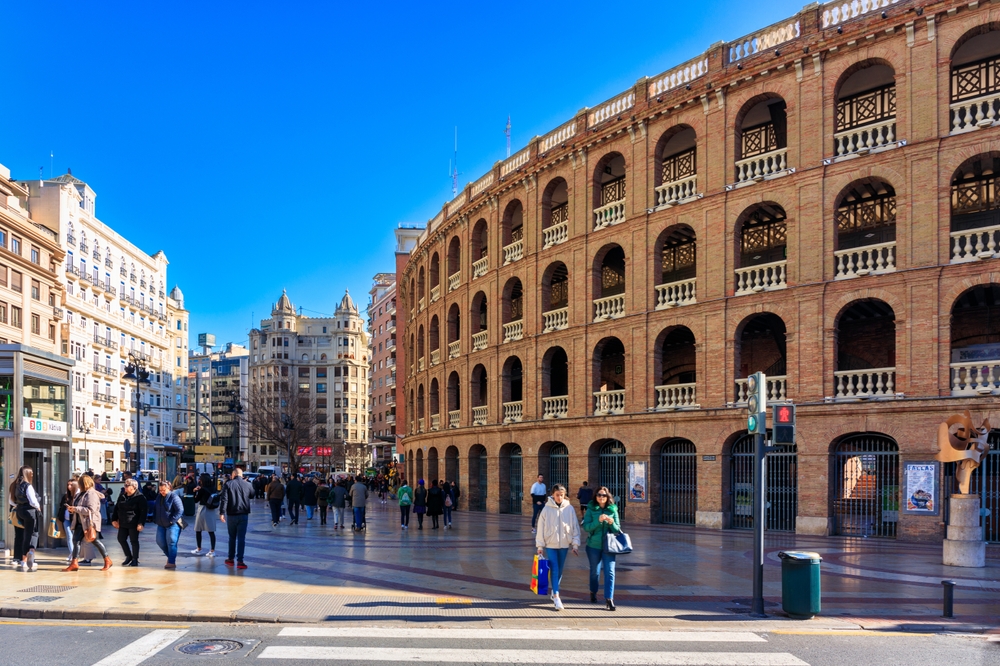
A nineteenth-century bullring built in the neoclassical style on the model of Roman amphitheatres. It is a massive circular building with arcades, designed to hold around 10,000 spectators. Bullfights are still held here, but the architecture itself deserves attention: the arena is impressive in scale and proportion. Inside, there is a museum displaying costumes and the history of bullfighting.
Right next door is the Estación del Norte (North Station) — one of the most beautiful railway stations in Spain, with ceramic façades and decorative details, so these two sights are easy to combine in a single stop.
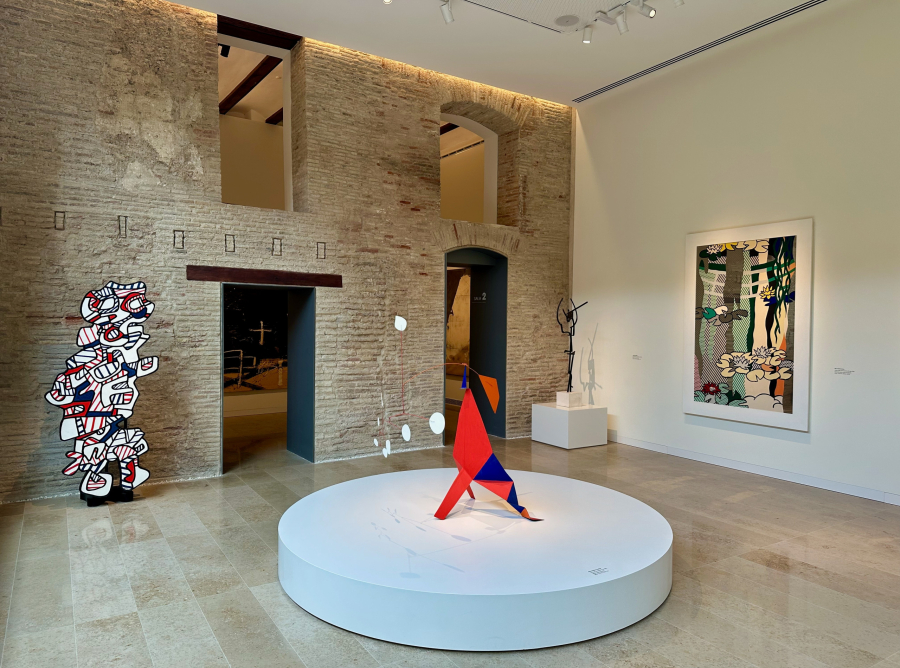
This place is called one of the most "Instagrammable" museums in Valencia, thanks to its striking, light-filled space. Several floors of contemporary art are housed in the historic seventeenth-century Valeriola building. It is a private collection open to the public, and one of the strongest in the city: Anselm Kiefer, Anish Kapoor, Andreas Gursky, and other artists are represented here. Inside, beneath glass floors, you can see archaeological layers and large-scale contemporary installations. Even without a particular interest in contemporary art, it's worth a visit for the space and the atmosphere.
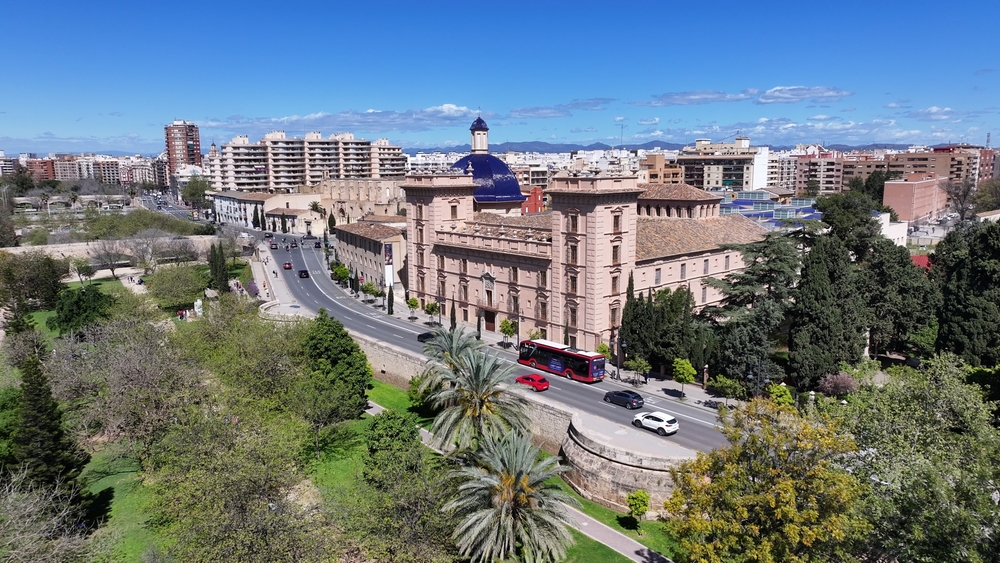
One of Spain's leading art museums. The core of the collection is Spanish painting, but Valencian artists and the works of the famous Valencian Joaquín Sorolla are particularly well represented. In addition, the museum houses works by El Greco, Diego Velázquez, Francisco Goya, and other masters, as well as halls dedicated to Gothic painting and sculpture. The building itself is a former seventeenth-century college with inner courtyards, and a walk through it is part of the visit. If you want a calmer museum experience without the crowds, this is an excellent option.
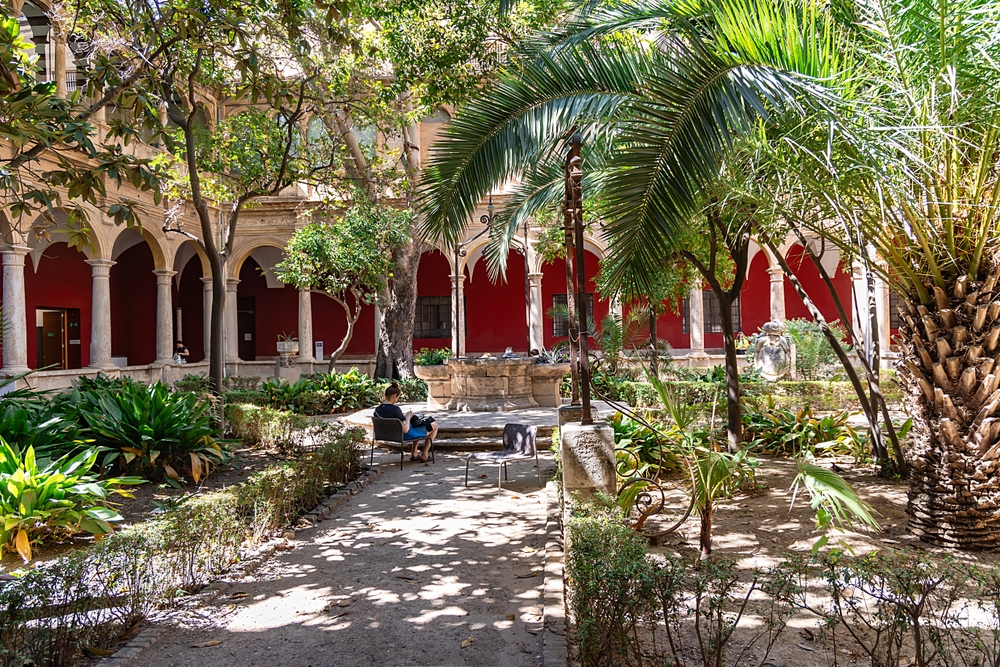
This cultural centre is housed in a former thirteenth–to fifteenth-century monastery and comprises a whole complex of spaces: inner courtyards, galleries, and passageways. The exhibitions here change constantly — from contemporary art to urban and social projects. It's not a museum in the classic sense, but rather an open cultural venue you can drop into without any preparation and see what's going on. The inner courtyards provide shade and a sense of quiet, which is especially valuable in the heat. It's a good place to take a break during a walk.
Opening hours: 10:00 AM–7:00 PM.
Ticket: €5, free on Wednesdays from 4:00 PM and all day Sunday.
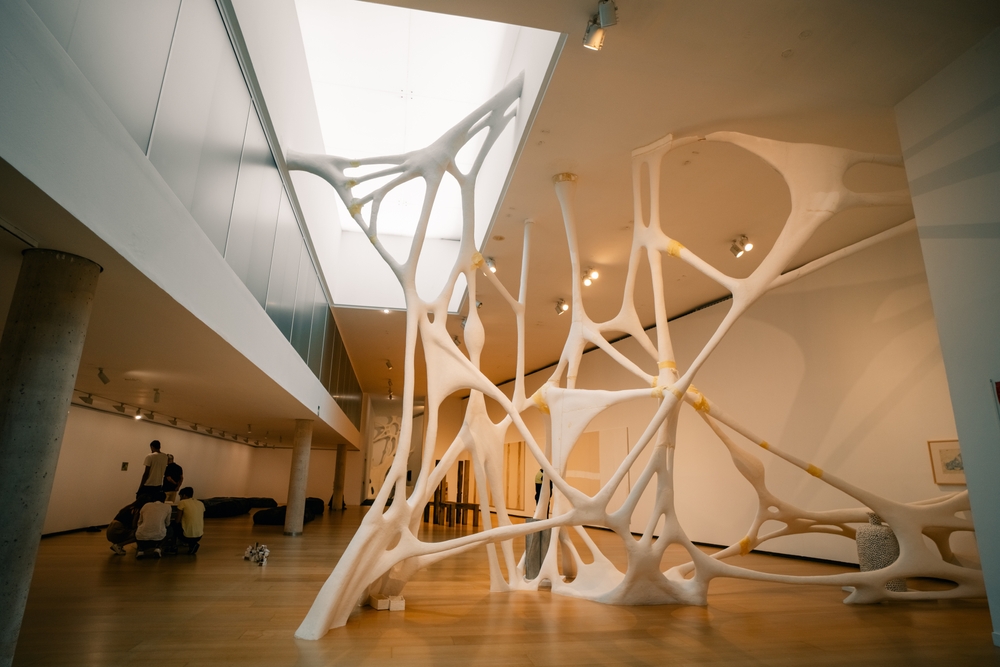
The Valencian Institute of Modern Art is one of the first museums of its kind in Spain. The main collection relates to the twentieth-century European avant-garde, but temporary exhibitions occupy a significant part of the space. It's a good option if you want to see contemporary art in a more classic museum format, without visual overload.
Museum opening hours: seasonal; July–August — 10:00 AM–9:00 PM, no days off.
The schedule for the hemispheric cinema is available on the website.
Tickets:
Museum: adults — €9.90, children under 12 — €7.60
Cinema: adults — €8.90, children under 12 — €6.90.
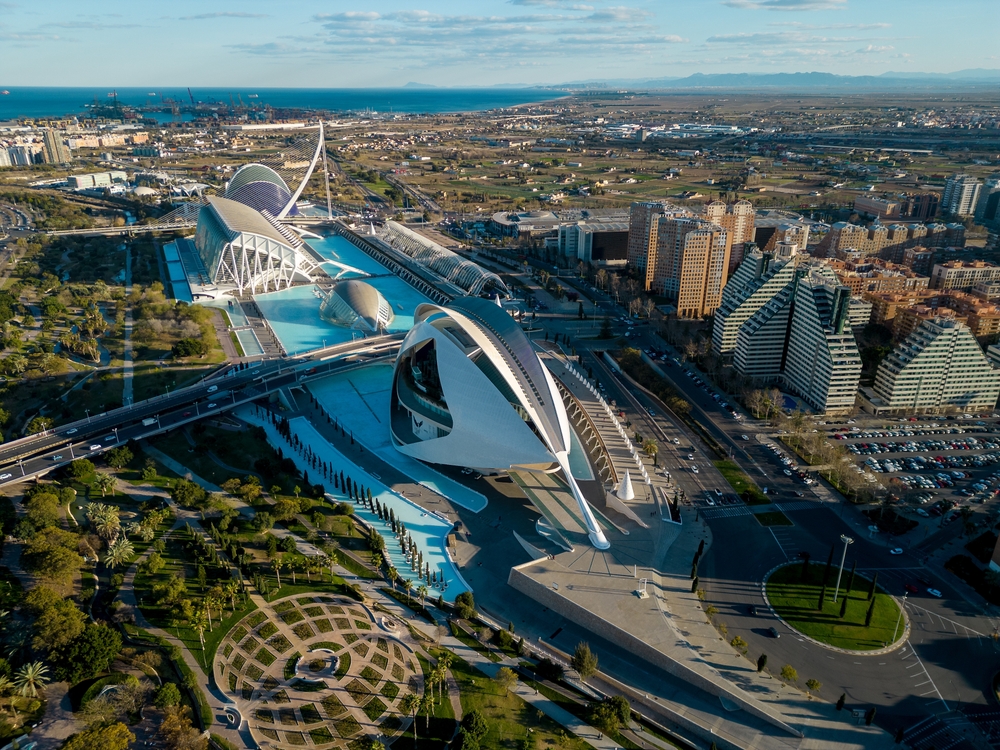
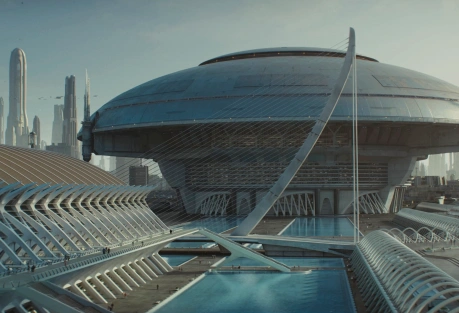
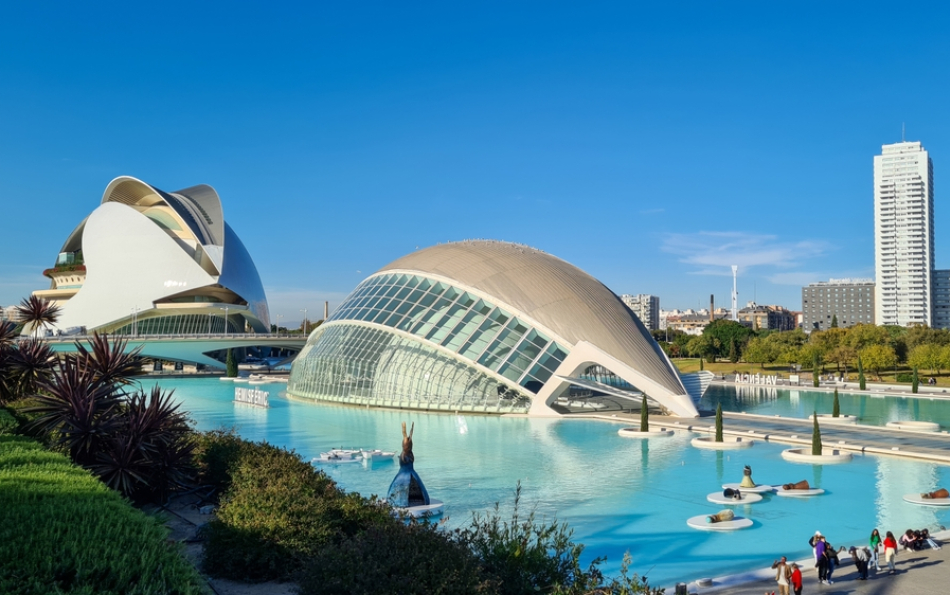
The City of Arts and Sciences is one of Valencia's most recognisable sights, a futuristic complex built in the 1990s and 2000s by architect Santiago Calatrava. White concrete structures with flowing lines, glass, and water create an impressive space set in the bed of the Turia River. The complex brings together a science museum, an oceanographic park, a hemispheric cinema, and an opera house. It's worth coming for a walk even if you don't have time to go inside. The park is a pleasant spot for a picnic; during the day, there's always a shady patch of grass, and in the evening, you can watch the sun set behind the futuristic buildings. On the downside, there are almost no cafés or toilets.
Hours: seasonal; July–August — 10:00 AM–8:00 PM, no days off.
Ticket: adults — €43.05, children — €31.95 (high season).
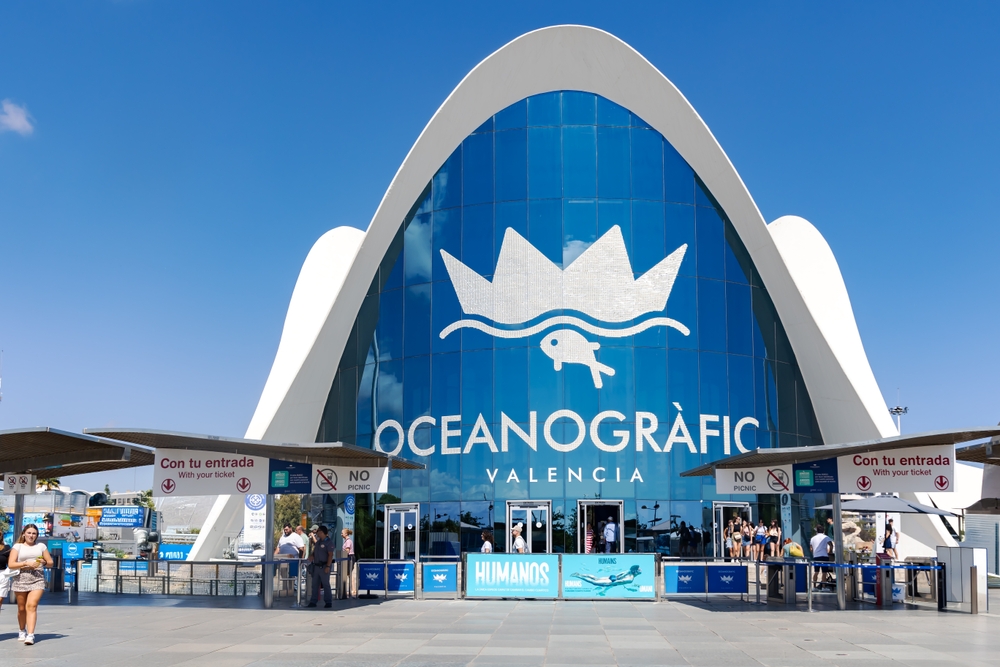
The largest oceanographic park in Europe is divided into climate zones. There are tunnels with sharks, Arctic and tropical zones, open pools, and a dolphinarium. Beyond marine fauna, there is a large aviary and a well-thought-out walking route. The space is large, so it's best to allow several hours for a visit.
Guided tours: from €14.
The opera house's seasonal programme can be found on the website.
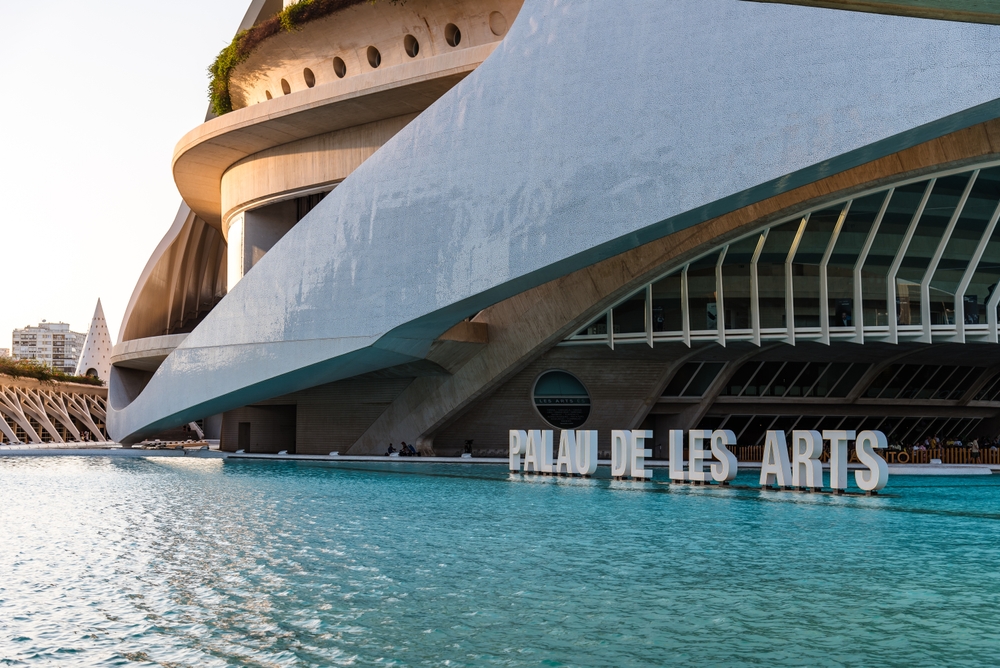
The opera house is another of Santiago Calatrava's projects. It stands around 75 metres tall. Inside are several halls that host opera productions and concerts. The building is interesting to walk around from the outside — it changes considerably depending on your vantage point. There are guided tours that allow you to look behind the scenes of the theatre.
Opening hours: Mon–Sun 7:30 AM–3:00 PM, closed Sun.
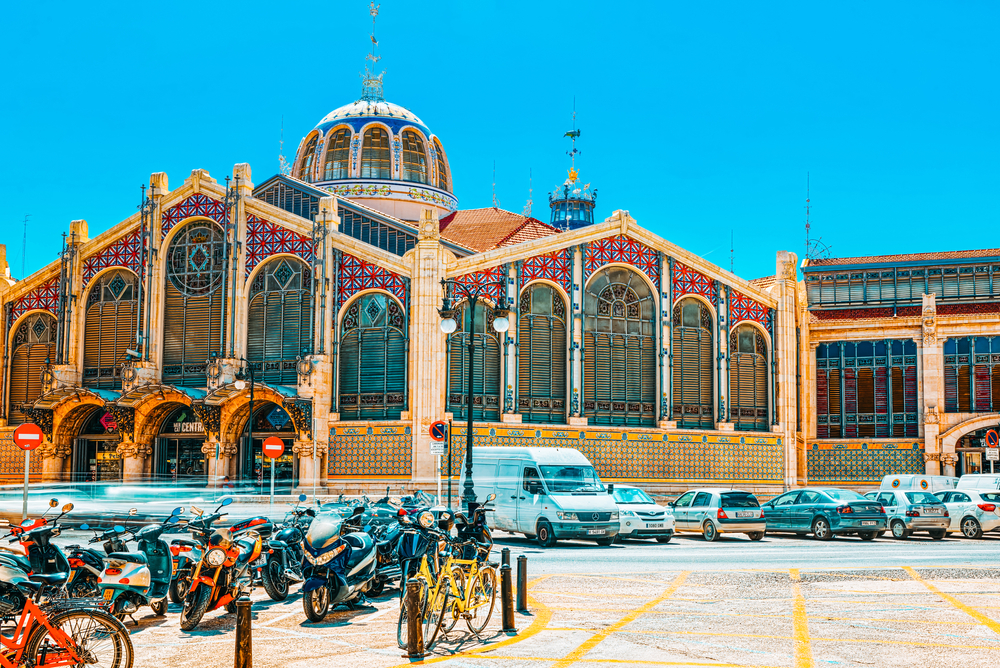
Valencia's Central Market is one of the largest covered markets in Europe and one of the liveliest places in the city. The early-twentieth-century building is in the Art Nouveau style, with glass domes, ceramic details, and metal structures. Inside are hundreds of stalls: fish, meat, spices, vegetables, nuts, jamón, and cheeses. This is not a tourist market but a place where locals have come for generations to their trusted vendors.
The market also has many stalls selling ready-to-eat food: from cups of fruit to seafood sashimi with a glass of ice-cold cava. You can grab something to take away and snack right on the steps of the old market, as many locals and tourists do.
Inside the market is Ricard Camarena's Central Bar — a gastrobar from the famous Michelin-starred Valencian chef. The dishes are made from the same produce sold all around, but in a restaurant interpretation.
Few people know that the market has a public refrigerator where you can leave the produce you've bought here while you walk around the city.
Opening hours: 8:00 AM–11:00 PM (individual venues have their own hours).
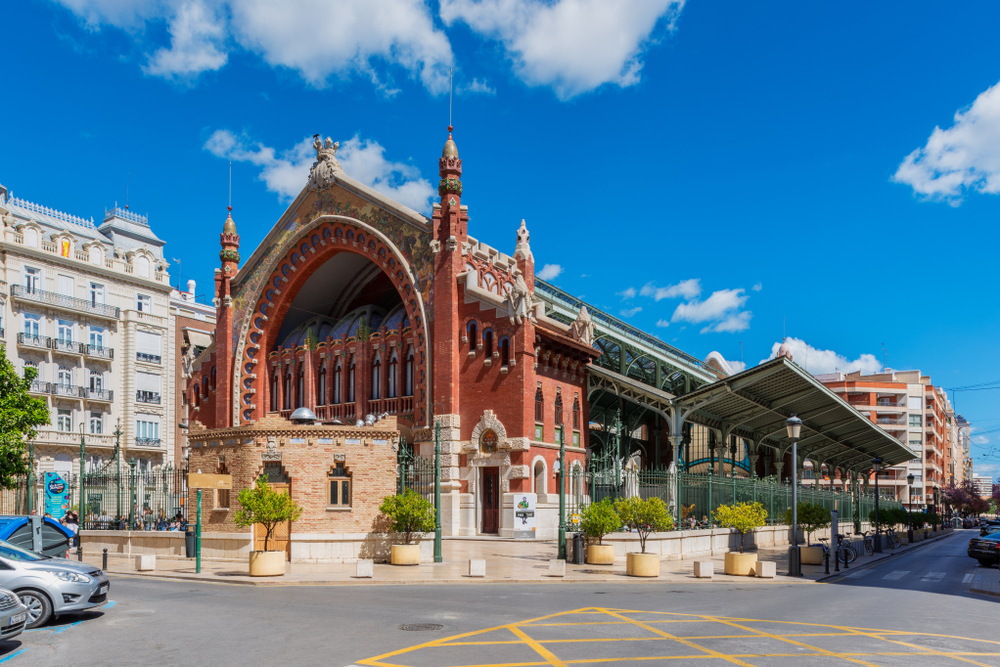
A historic building from 1916, built as a market but today completely reimagined. It is now a gastronomic space with restaurants, cafés, and wine bars. The architecture has been preserved: arches, stained glass, ceramics — but inside there are no produce stalls.
This is a convenient place to pause on your route: people come here for coffee, breakfast, or an aperitif. The atmosphere is calmer than at the Central Market and feels more like a "city living room."
For clarity, we've plotted the streets on a map, linking them into a route for a leisurely 2–3-hour walk.
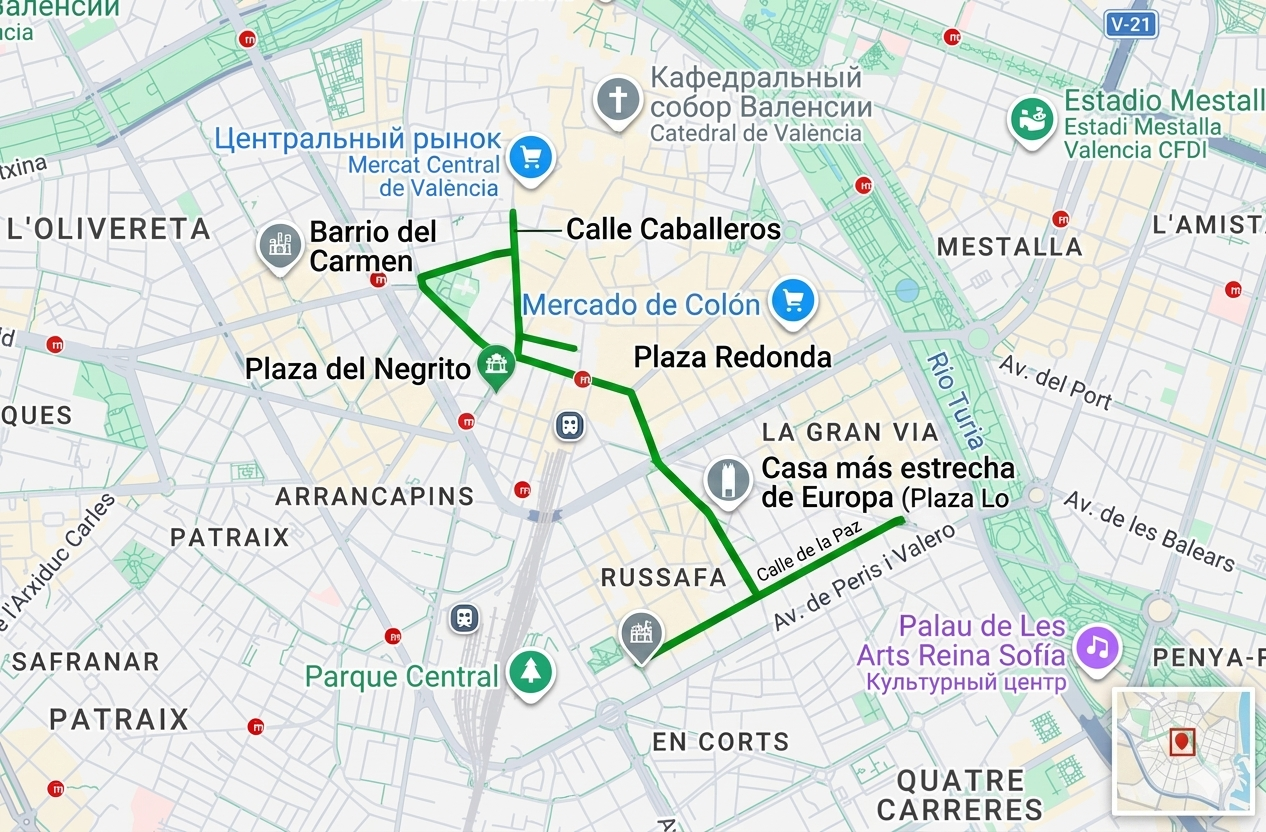
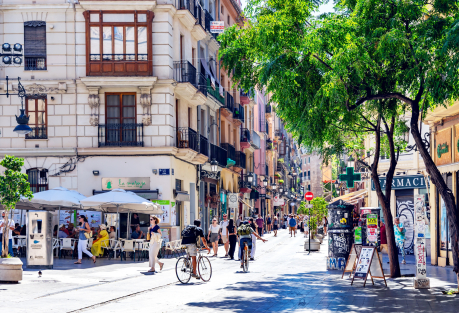
One of the main streets of the old town. By day, it's a quiet, well-lit street lined with architecture and small shops; by evening, it's one of the busiest bar streets. It's worth walking here at different times of day to see how the street's atmosphere changes.
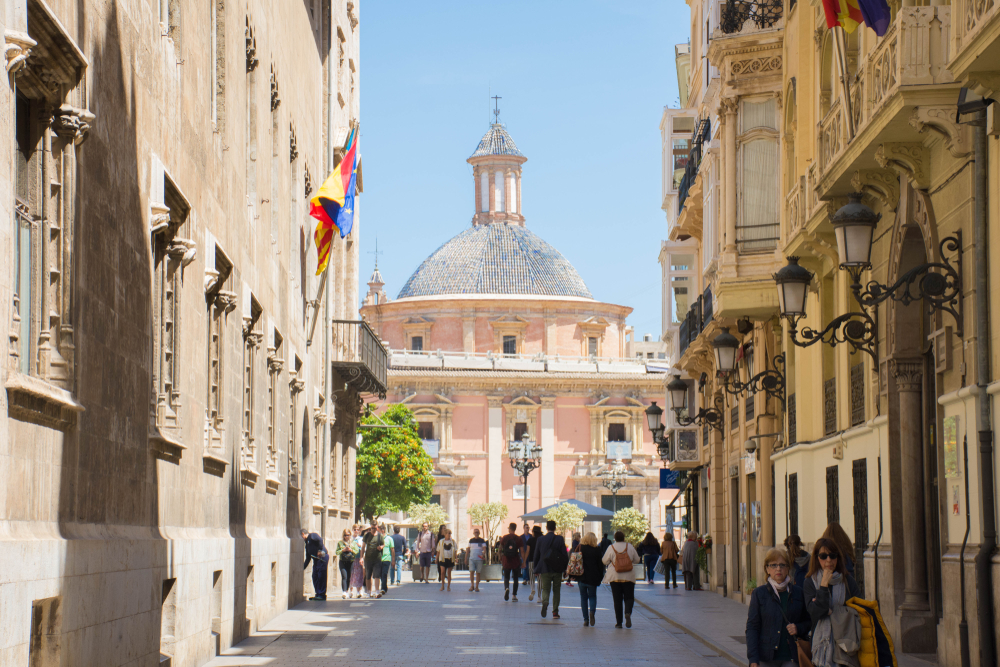
A wide street with late-nineteenth- and early-twentieth-century architecture. There's more space and light here than in the old quarters, making it a good contrast to the narrow streets of the centre.
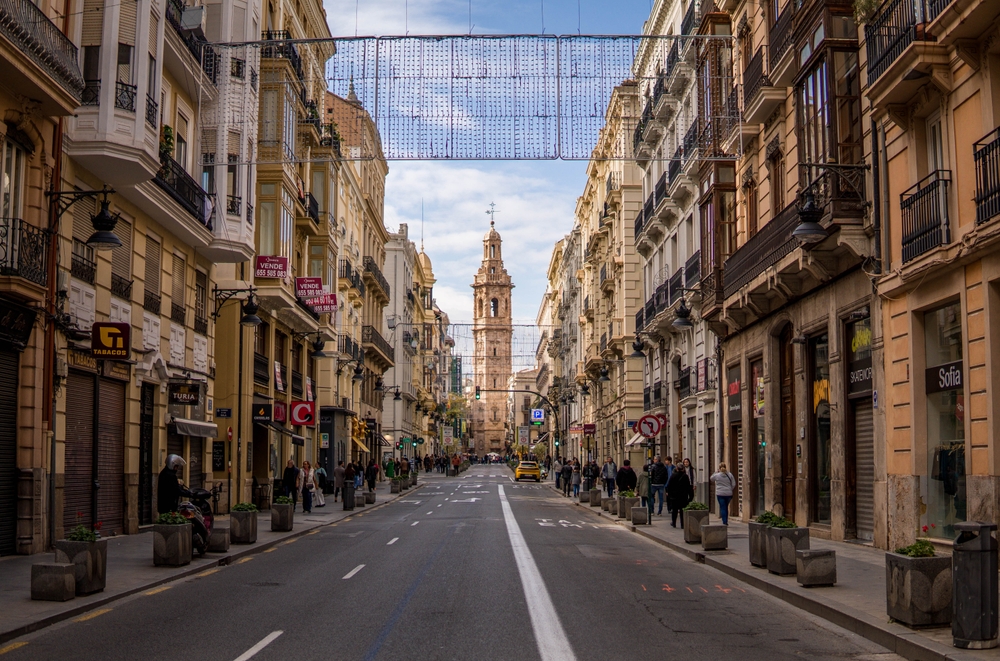
The most atmospheric district in the centre, where old buildings, graffiti, bars, and small galleries intertwine. There's no single point you absolutely must visit — the district reveals itself as you walk. The place can seem chaotic, but that's exactly what makes it alive. By day, quiet streets; by evening, the heart of the nightlife.
While wandering the old town, it's worth dropping into La Cotorra — an independent gallery on the quiet Editor Cabrerizo street, where exhibitions by Spanish and international artists, lectures, and concerts are held. You can find out about the venue's current events on the website.
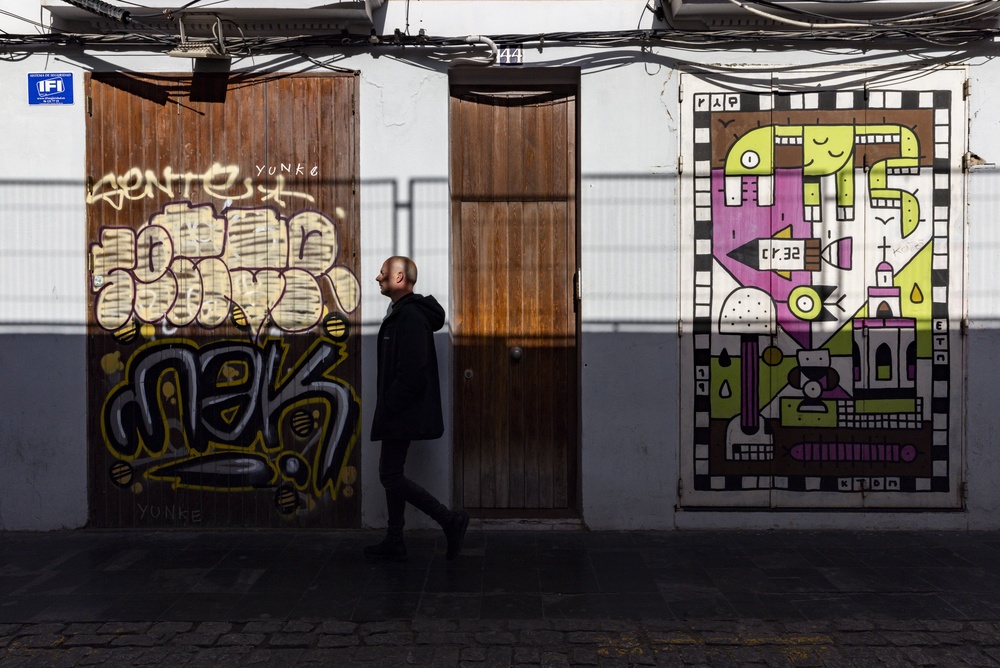
A circular square with an enclosed geometry and stalls all around its perimeter. The space is almost entirely closed off from the street and feels like a separate world. Fabrics and all sorts of souvenirs are sold here. Restaurants line the square — it's worth coming by day to sit in the shade, or in the evening for a hearty dinner with a glass of wine.
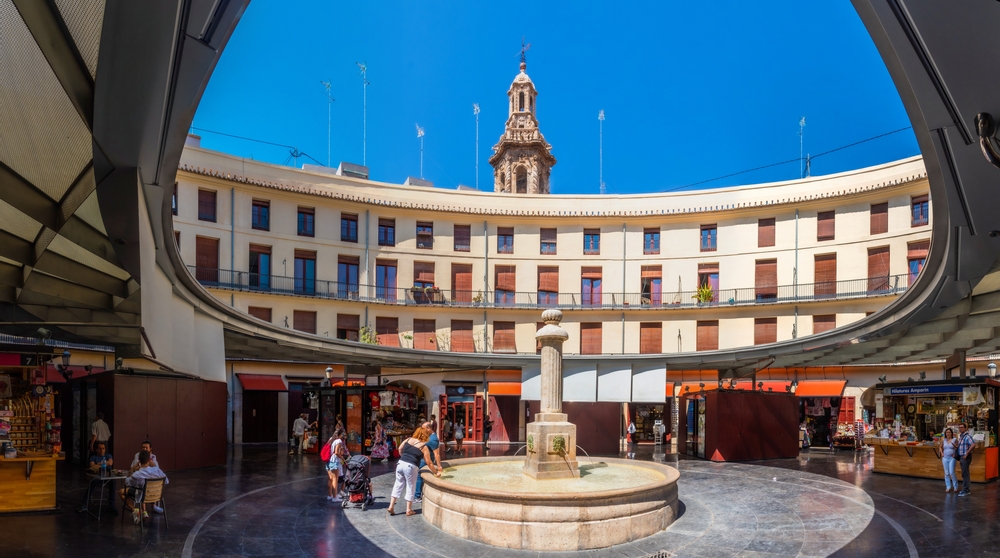
Next to the round square is the narrowest house in Europe — just over a metre wide. It is literally "squeezed" between other buildings. It's not a full-fledged attraction, but it's one of those things that make a walk around the city more interesting.
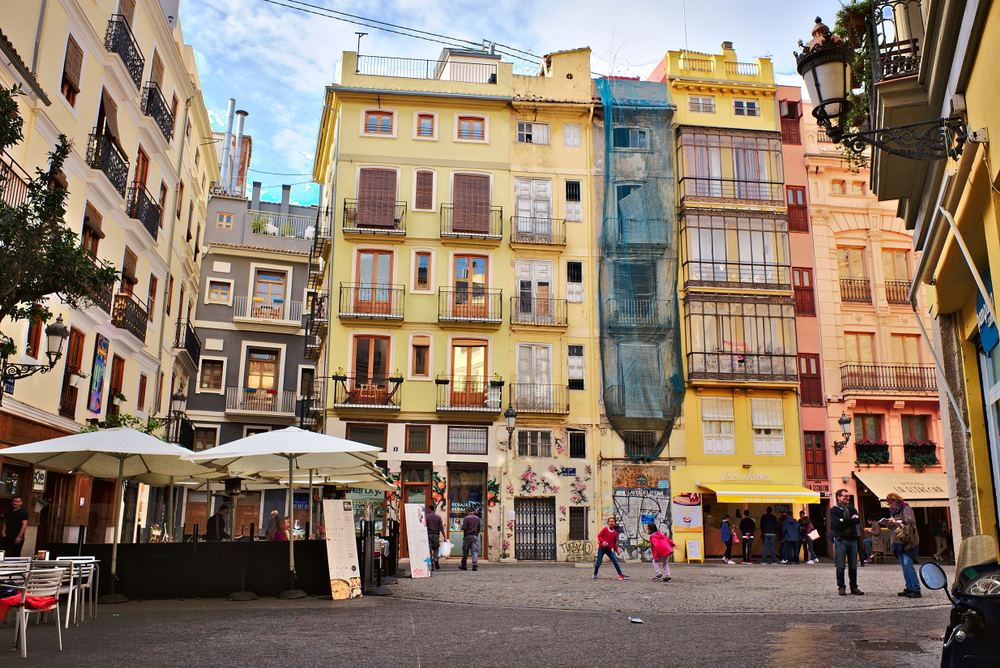
A small square in the El Carmen district, which looks quiet by day but turns into a magnet for bar-lovers in the evening.
Photo: LEVANTE-EMV / r.l.v. valència
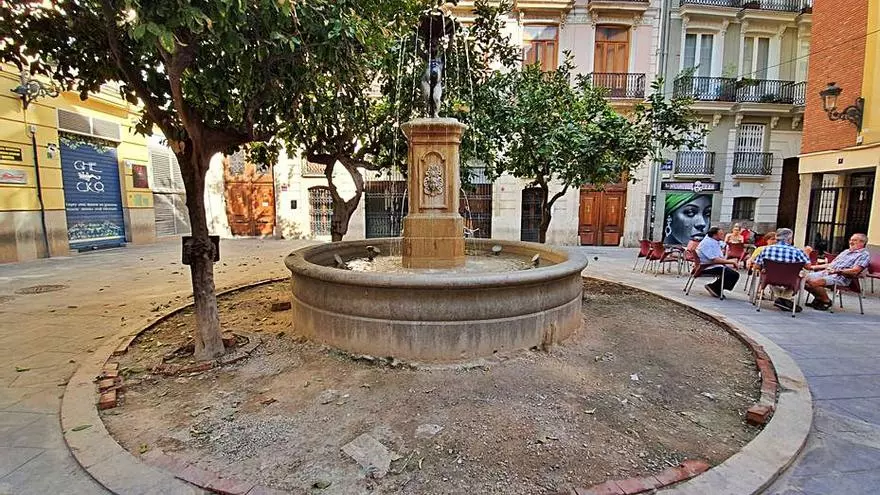
The Ruzafa district is the heart of modern city life. Cafés, brunch spots, wine bars, designer shops, and small galleries are concentrated here. One of Valencia's most bohemian districts, with a notably international feel — it's often chosen by expats as a place to live.
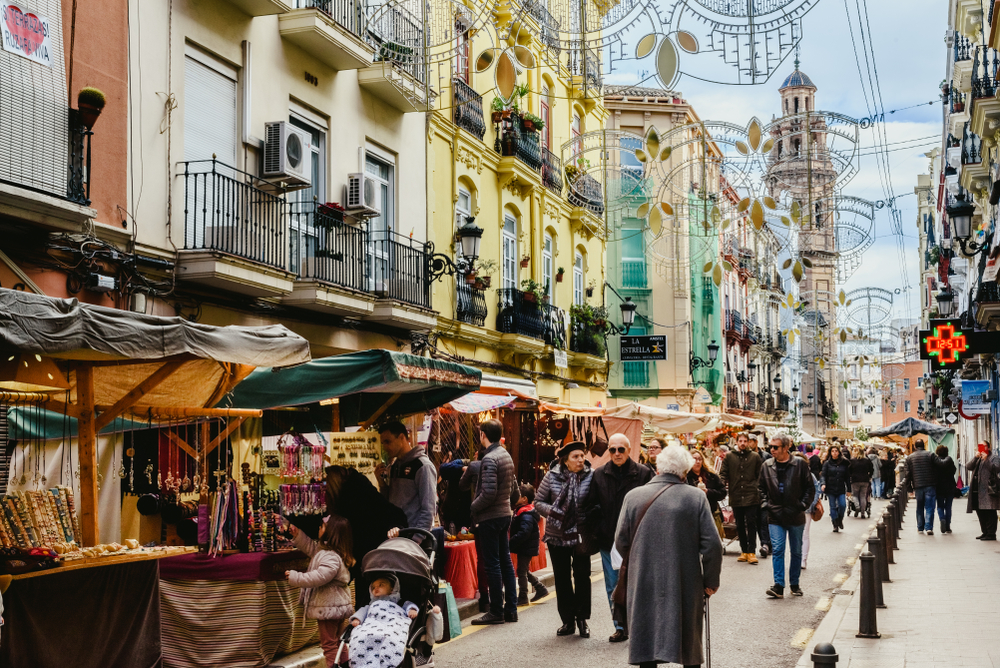
Valencia's signature feature is a picturesque park almost nine kilometres long that runs through the entire city. It was created in the former bed of the Turia River after a flood. The park passes beneath the main city bridges and stretches along the stone walls of the old riverbed. It's not just a green space but the city's main "axis," where people come to run, cycle, and walk with their children. The park connects different districts of Valencia, and it's a convenient escape from the city's noise and traffic. On the downside, there are almost no cafés in the park. To grab a bite, you need to come up out of the riverbed onto the street. Lively by day, the park becomes less comfortable in the evening, and locals advise against walking there after dark.
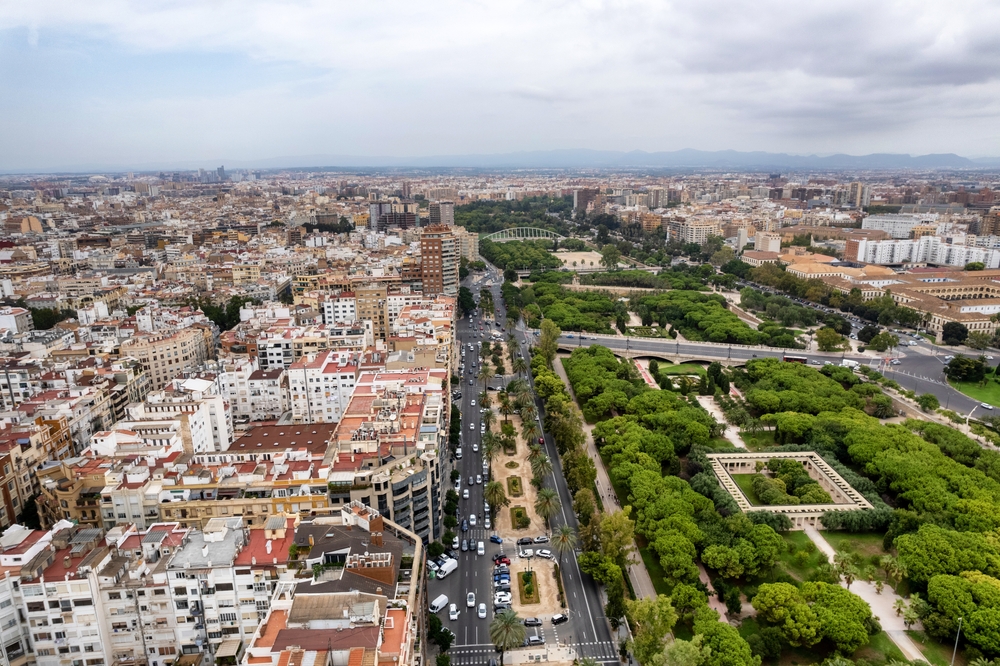
A former fishing district by the sea. Colourful houses, narrow streets, and a sense of a separate space have been preserved here. The district long remained off the tourist trail, so local life can still be felt here. It's worth dropping into the authentic taverns that serve seafood dishes. Lunchtime is best. In the evening, even locals try to avoid some streets in this district.
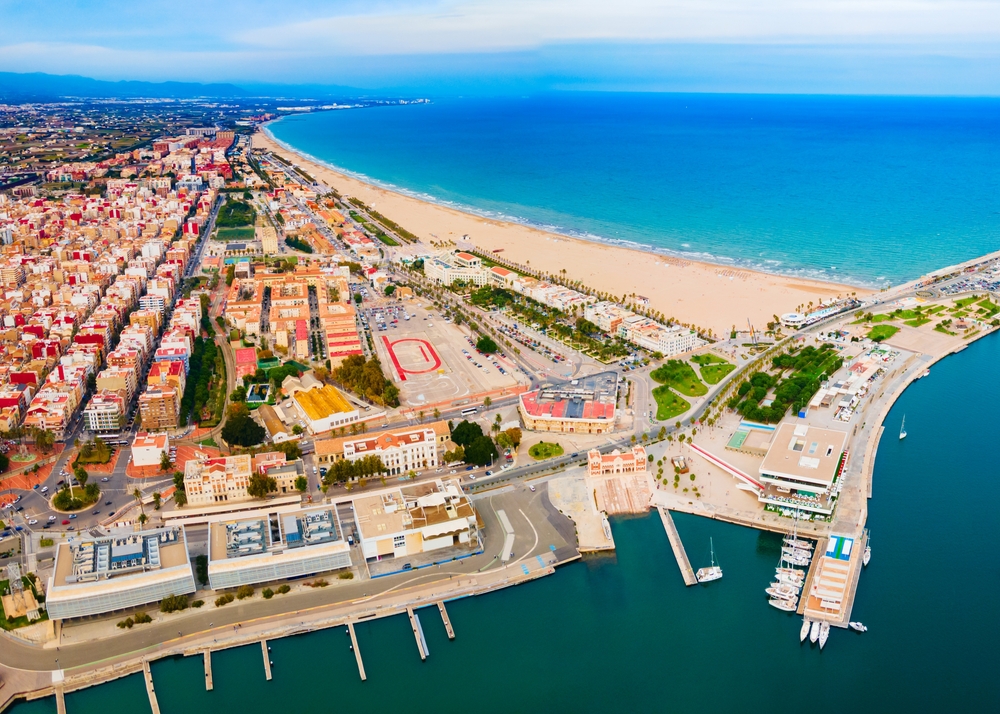
A modern area by the port: yachts, restaurants, open spaces. Events, exhibitions, and concerts are held here.
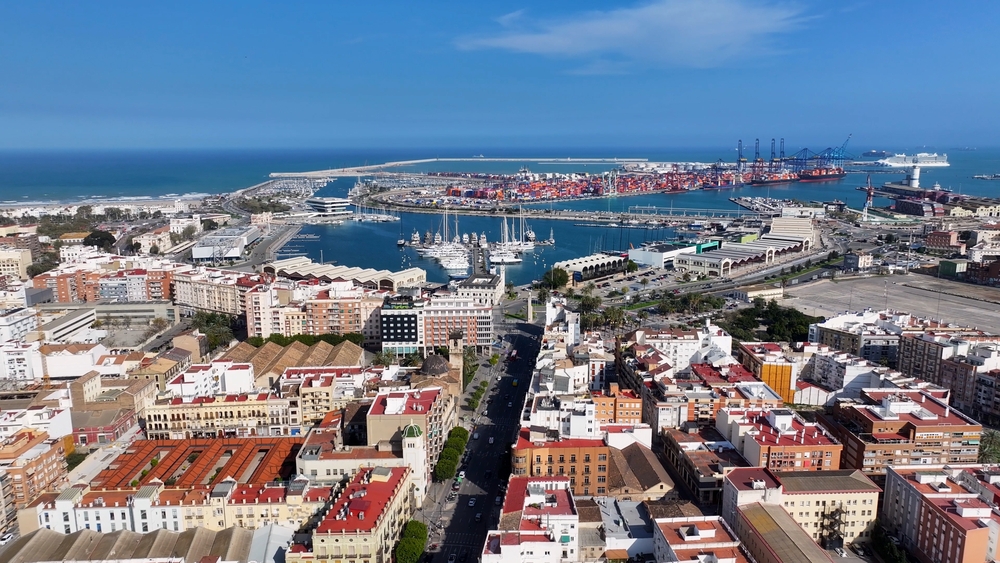
The main city beach. A wide strip of sand and a long promenade with restaurants and cafés, especially crowded in summer. Note that there's no option to rent a sun lounger with an umbrella here, so it's best to bring everything you need.
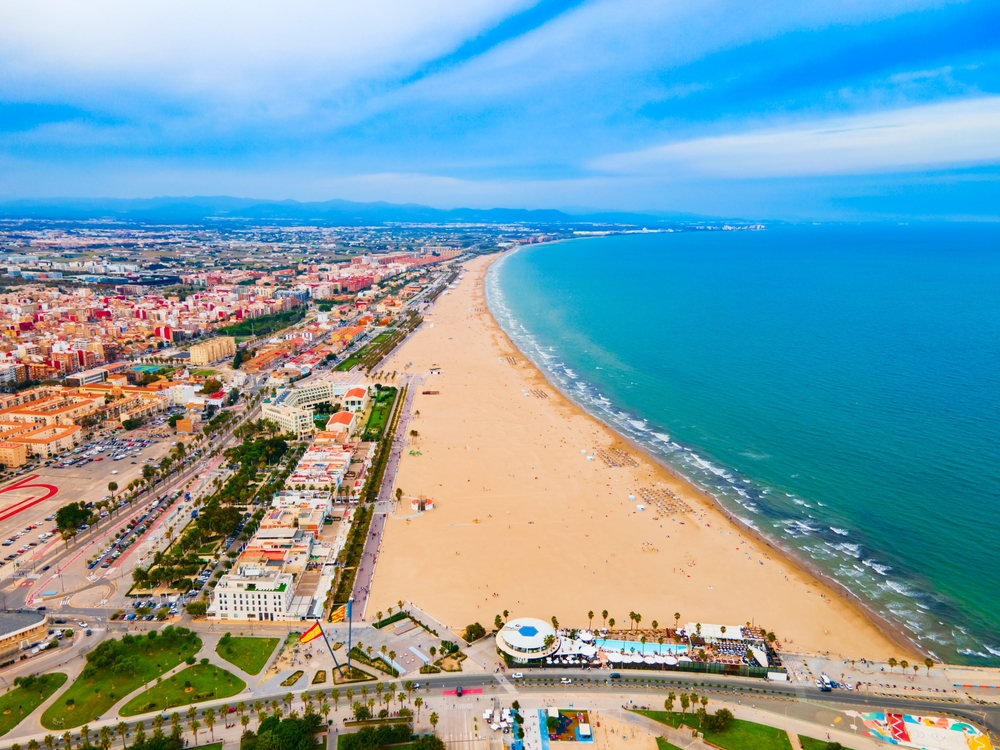
Valencia's most famous beach: wide, sandy, and very convenient for everyday relaxation. Along the promenade are the classic Valencian arrocerías — restaurants that cook paella and other rice dishes. Here you'll find the legendary El Bobo, La Pepica, and Casa Carmela — some of the oldest and best-known establishments in the city, frequented by locals and tourists alike for decades. After the promenade's renovation in 2025–2026, most restaurants now have updated terraces and interiors.
Some historic establishments remain closed for now, so it's worth checking before visiting.
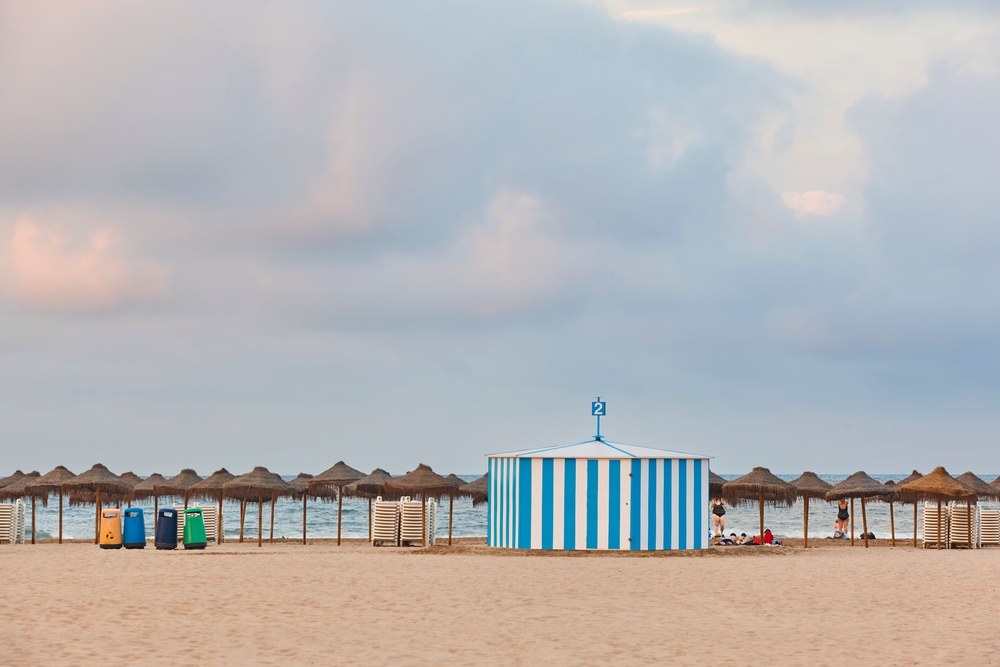
A continuation of the Malvarrosa beach, usually with fewer tourists. A wide, clean beach with modern cafés and good breakfasts. One of the most comfortable options for a long day at the beach.
WE'VE PUT TOGETHER A SEPARATE GUIDE TO CHILDREN'S PLAYGROUNDS FOR YOU HERE
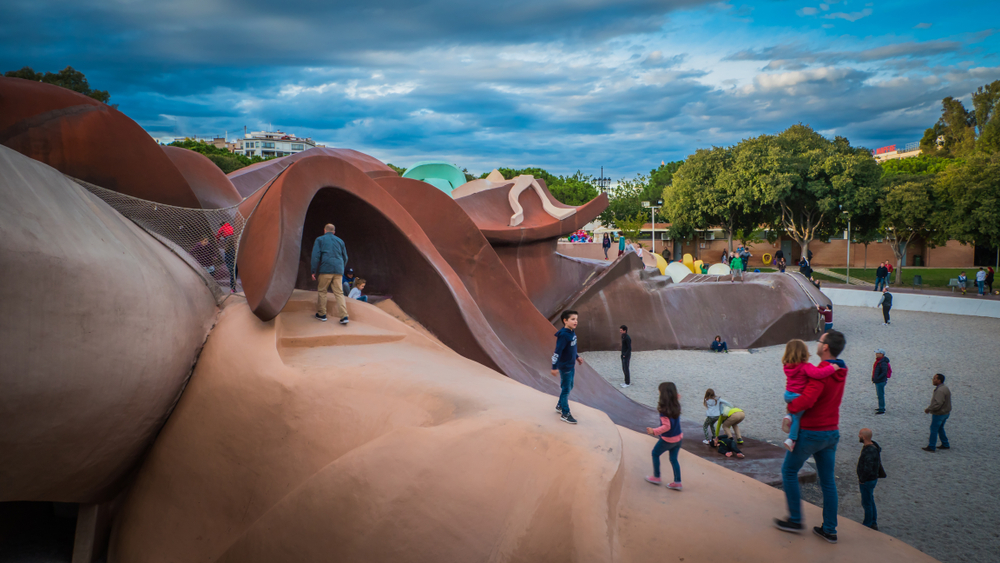
One of Valencia's best-known children's locations — and one of the most impressive in Europe. The playground looks like a giant Gulliver figure that children can climb over. It's a fully fledged space with slides, ladders, and walkways. Children see it as a labyrinth, and adults see it as an unusual urban object. Younger children will need supervision — there's no clear separation into zones for toddlers and older children. Note that the playground is covered in fine gravel that gets clothes dirty, and in summer, the figure's slides get considerably sunburnt. The park has toilets and rest areas.
Opening hours: daily from 10:00 AM to 8:00 PM (in winter — 10:00 AM to 6:00 PM).
Ticket: adults — from €29.50, children under 12 — from €23.50.
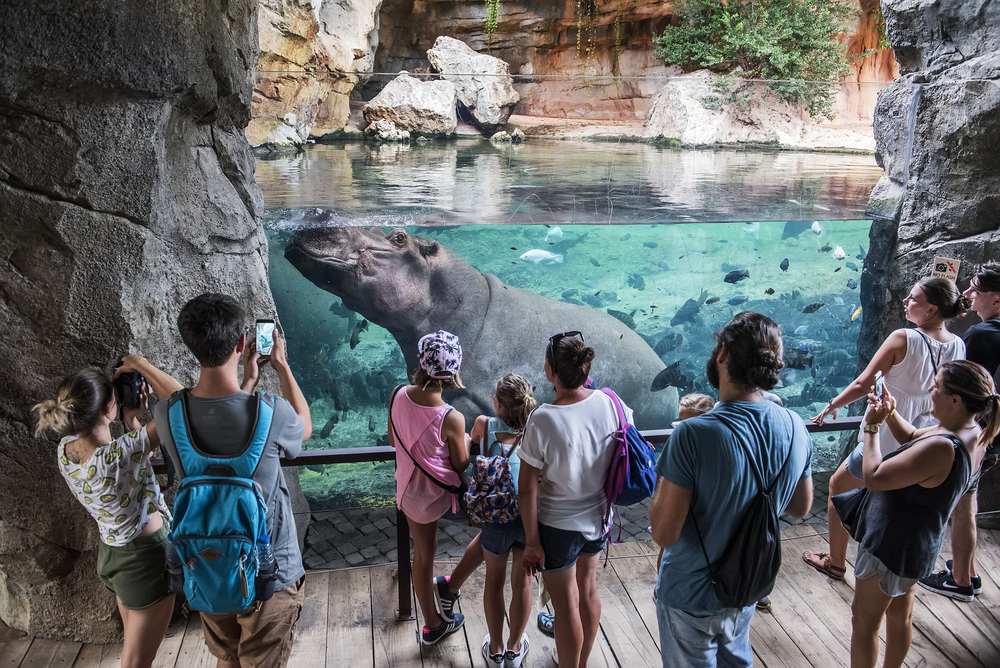
A large, picturesque zoo where there are no cages in the usual sense — the animals are in an environment as close as possible to their natural one. The grounds are divided into ecosystems, which makes the visit more immersive—beautifully laid out, with a café and a children's playground. It's worth allowing several hours for a visit.
Opening hours: seasonal; July–August — 10:00 AM–9:00 PM, no days off.
Tickets: adults — €9.90, children under 12 — €7.60.
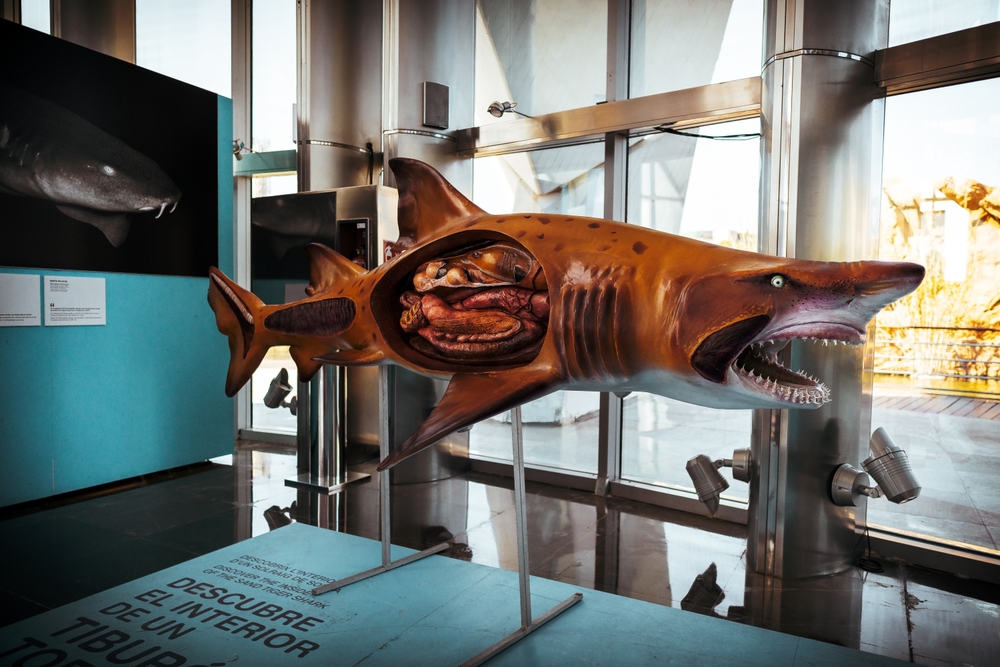
An interactive science museum, part of the City of Arts and Sciences complex. Here you can touch the exhibits, participate in experiments, and explore scientific phenomena through hands-on activities. It suits school-age children who value engagement. The museum also has a large children's play area mimicking a building site — with a crane, wheelbarrows, and soft bricks—entry with a science museum ticket.
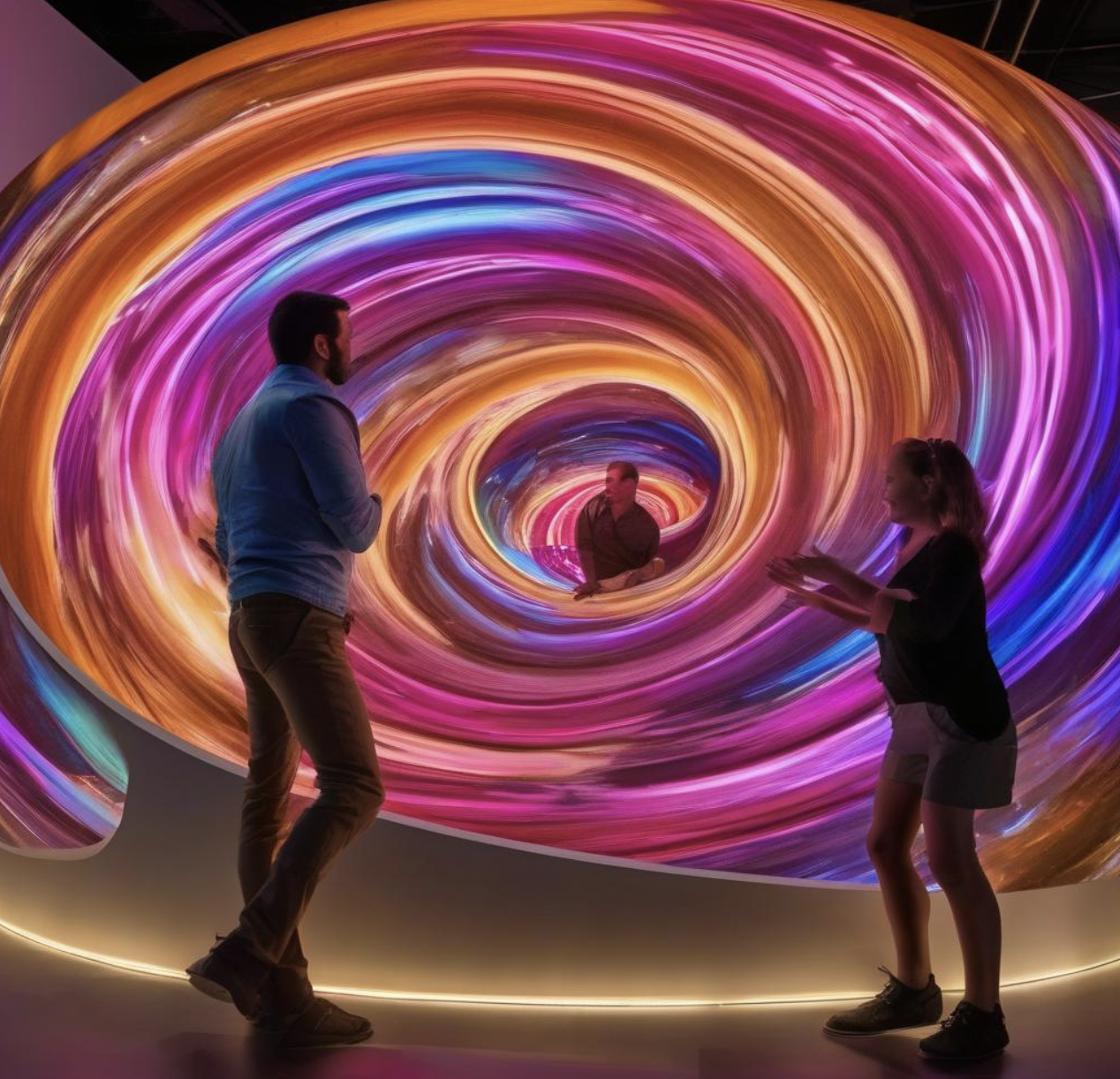
A small museum with optical effects, mirrors, and "upside-down" spaces. It will be interesting for both children and adults.
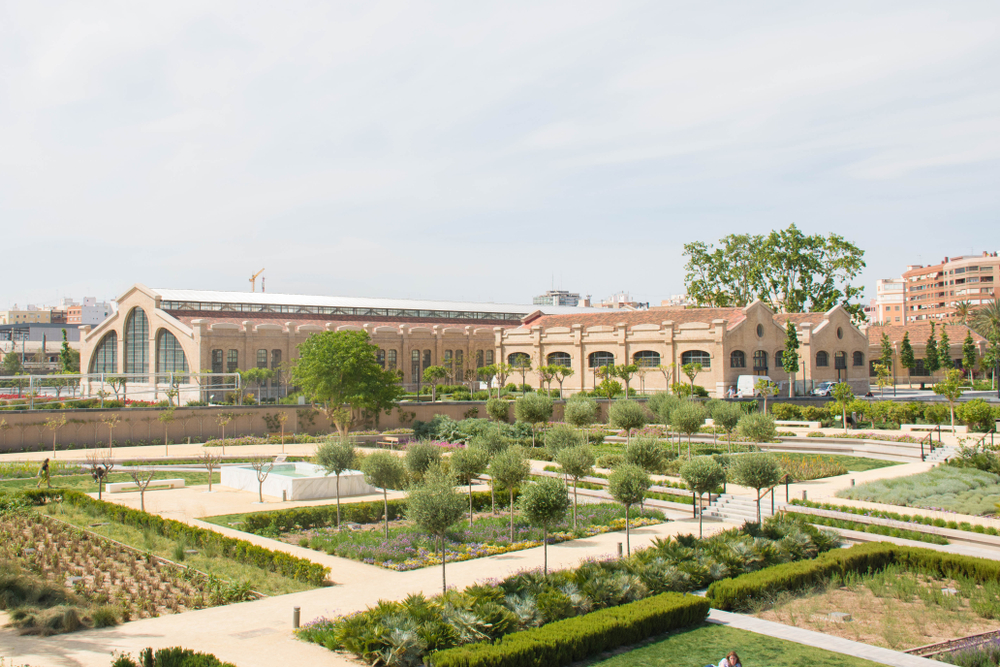
A modern park with water, green spaces, and children's playgrounds. A good place to take a break after a walk through the centre, especially if you need a quiet space.
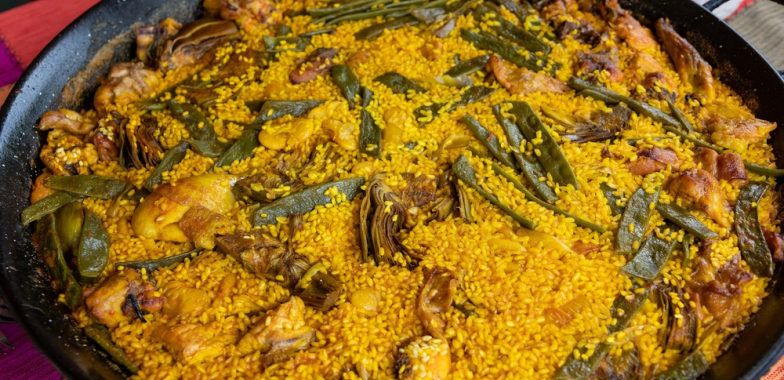
Valencia is the birthplace of paella, made with rice grown in the fields around the Albufera lagoon. Originally, it was a simple rural dish. The classic version differs from the popular idea of paella: the Valencian, or as locals say, "real" version uses chicken, rabbit, green beans, garrofó (a type of white bean), and saffron.
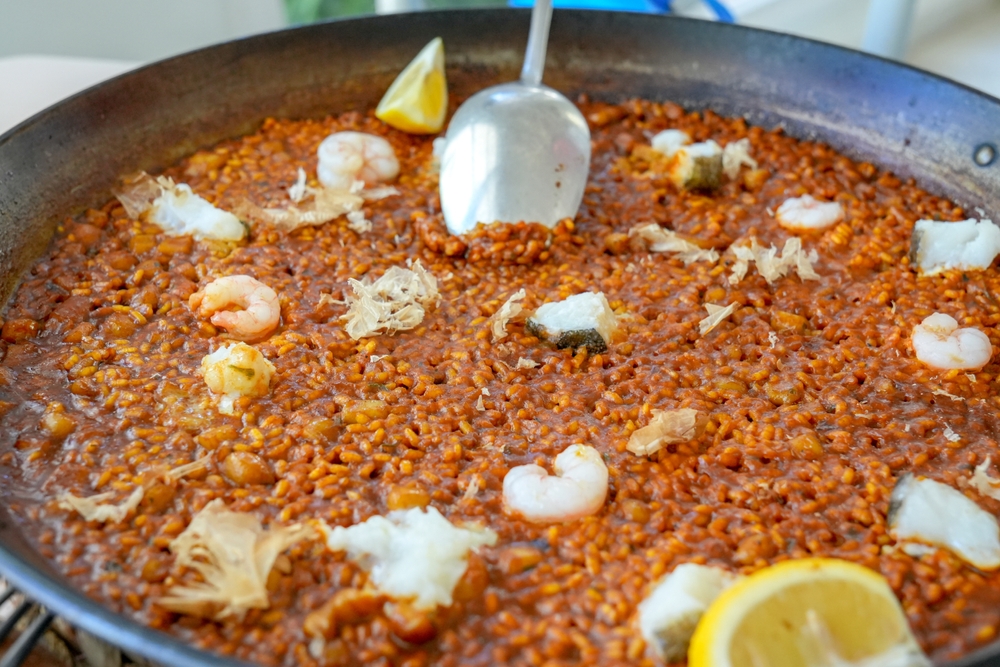
This rice dish was created for those who want to try seafood without having to deal with shells and carapaces. The ingredients usually include mussels, prawns, langoustines, squid, or cuttlefish, cut into small pieces. The name playfully refers to a fussy gentleman who doesn't want to get his hands dirty.
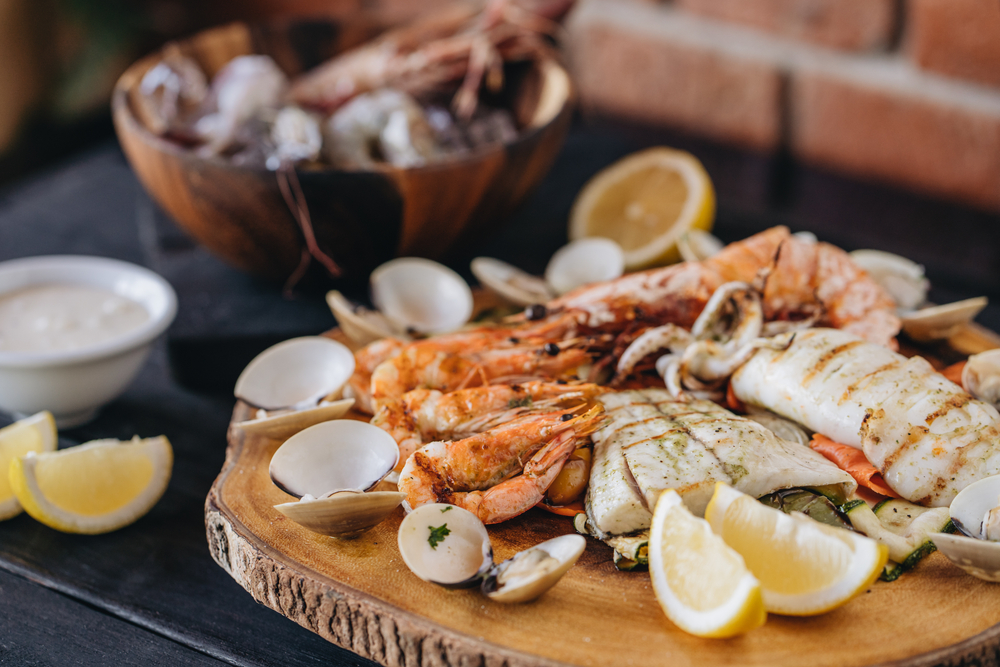
Valencia's seafood cuisine, of course, is not limited to arroz del senyoret. It's worth trying grilled cuttlefish, squid, tellinas (clams), clóchinas (the Valencian variety of mussel — La Cotorra), sardines, sea bream, and anchovies. A distinct gastronomic feature is tinned seafood in small cans. This is a local tradition, unfamiliar to foreigners. One of the best signs when choosing a place is a short menu or a list of dishes chalked on a board: it's an indication that the kitchen works with seasonal produce.
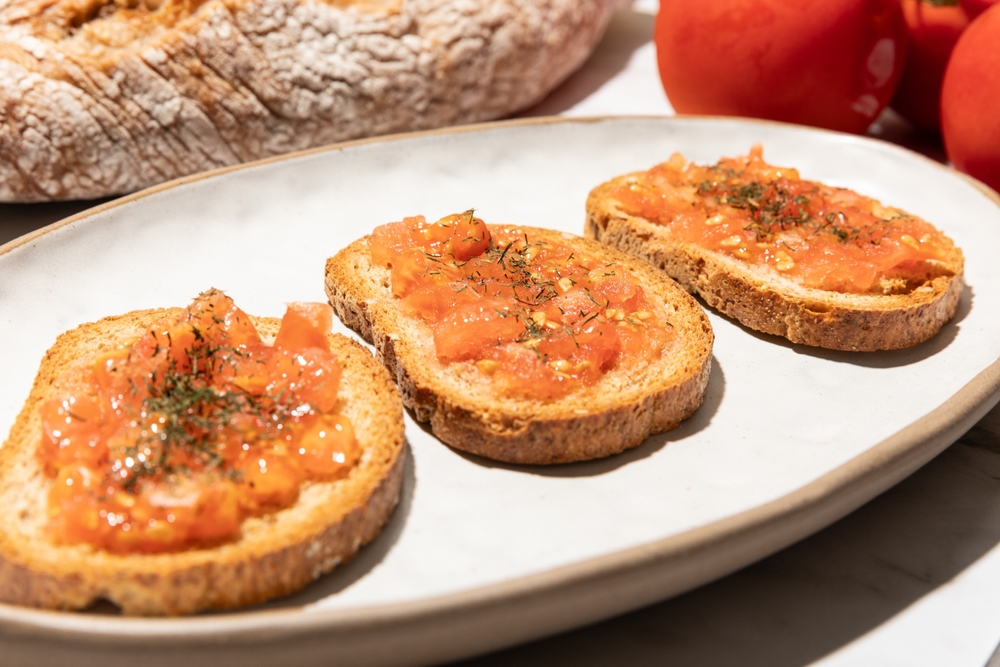
Tostada con tomate is one of the most characteristic breakfasts in Spain, and in Valencia, it's done particularly well. It's crunchy bread with grated tomato, olive oil, and salt. It's worth trying at least once to understand how locals start their morning here. The tostada is also often made with tuna or avocado.
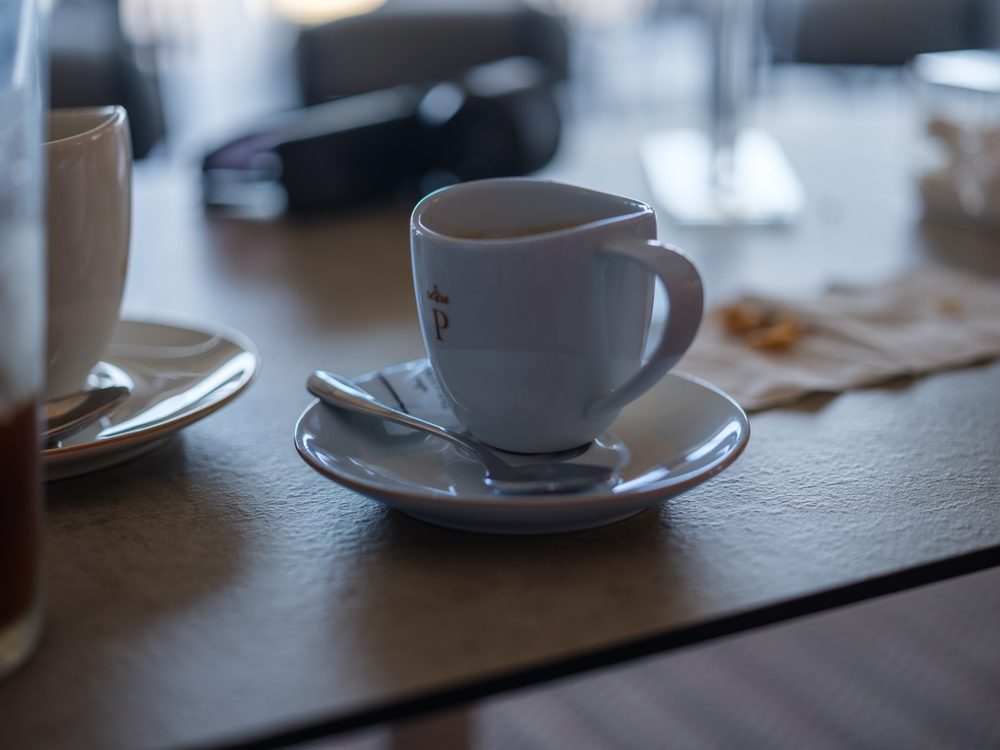
Café del tiempo is black coffee served separately with ice. The idea is that you regulate the taste and strength yourself: the coffee is poured into a glass of ice, which often puzzles tourists. It's a popular summer option, giving a boost on a hot day. Cremaet, by contrast, is a richer drink with rum, sugar, and citrus notes, often lightly caramelised.
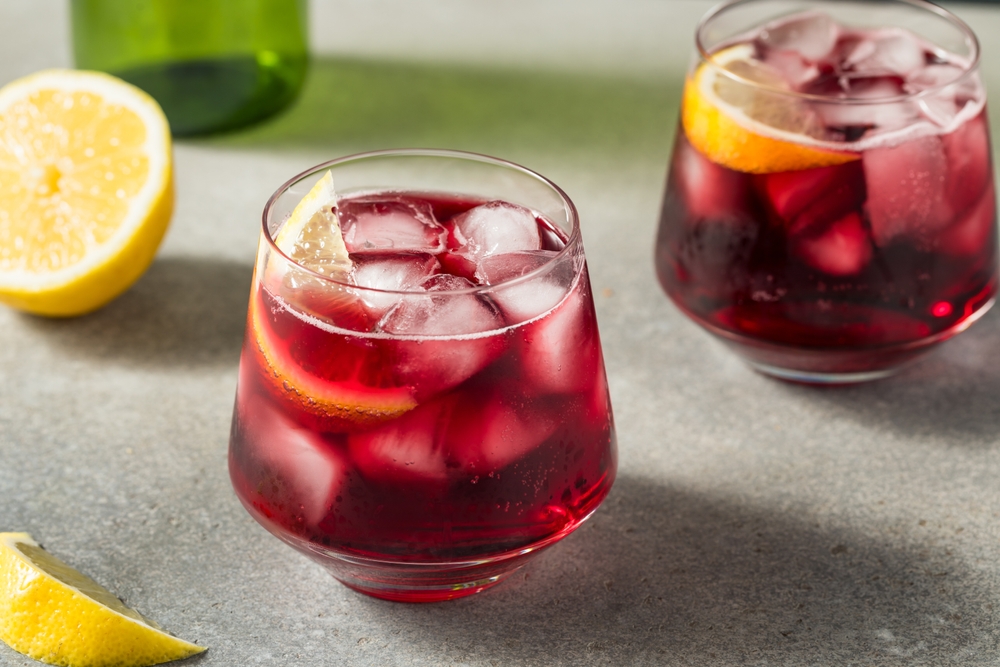
One of the most popular summer drinks in Spain, but it is less obvious to tourists than sangria. It's made with red wine, lemon soda, and ice, making it light and refreshing. The drink is often sipped during the day while out walking — it's not as strong as cocktails.
Agua de Valencia is a local cocktail made with cava (Spanish sparkling wine — La Cotorra), orange juice, and liqueur. It tastes almost harmless but is, in fact, quite strong, which is why it's often underestimated. The cocktail is best sought out in the old bars of the centre, where each keeps its own recipes and proportions.
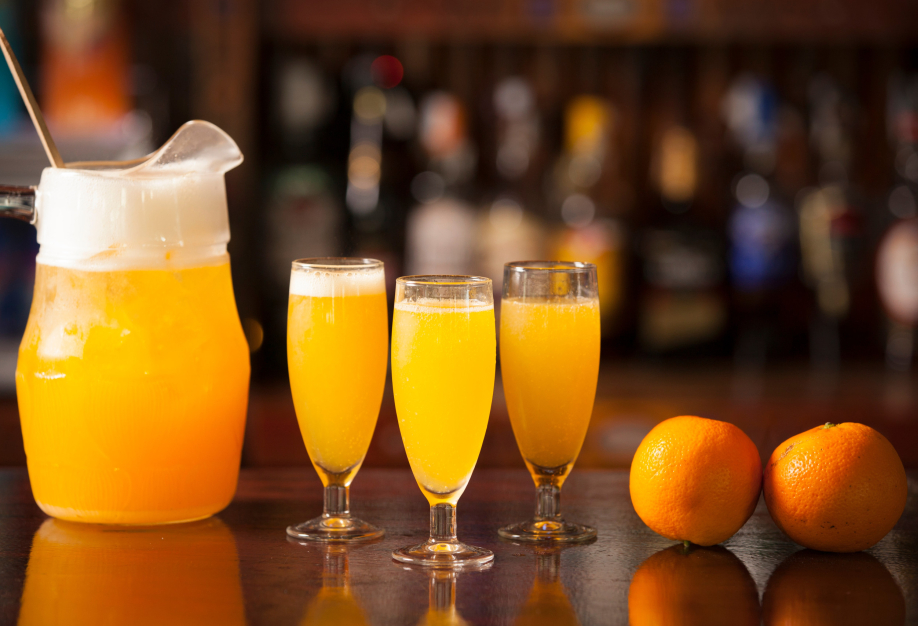
Horchata is a non-alcoholic drink made from chufa (tiger nut) with a mild, slightly nutty and sweetish flavour unlike any familiar drink. It's customary to drink it with fartons — long buns designed for dunking. Horchata is best tried in specialist horchaterías, where it's made fresh, without industrial processing.

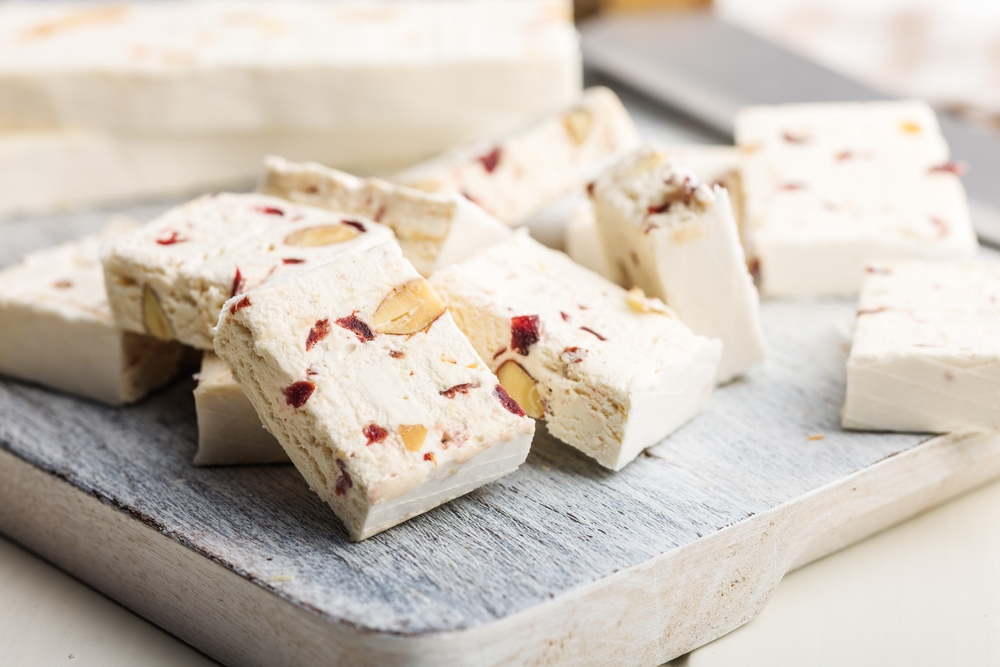
Turrón is a traditional Spanish dessert made from nougat and almonds, associated with Christmas, but in Valencia, it can be found year-round. It comes in different forms: soft, hard, with chocolate, with nuts — each version differs in texture and taste. It's a good way to get acquainted with the local confectionery tradition, shaped over centuries. It's best bought not in a supermarket but in old shops or at markets, where authentic recipes are preserved.
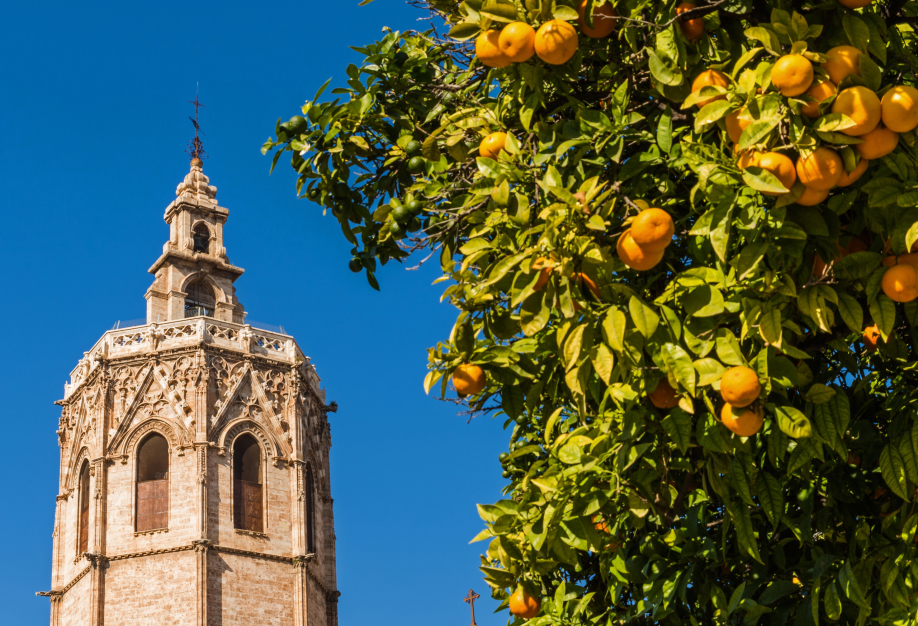
The Valencian orange is part of the city's gastronomic culture and tradition. It's worth trying here simply as a fruit — there are many orchards around Valencia, and the flavour of the local citrus is noticeably different from what you may be used to. Even an ordinary supermarket sells excellent Valencian oranges; the main thing is that they carry the IGP/PGI label — the official certification for Valencian citrus. It guarantees that they originate from the Valencian Community.
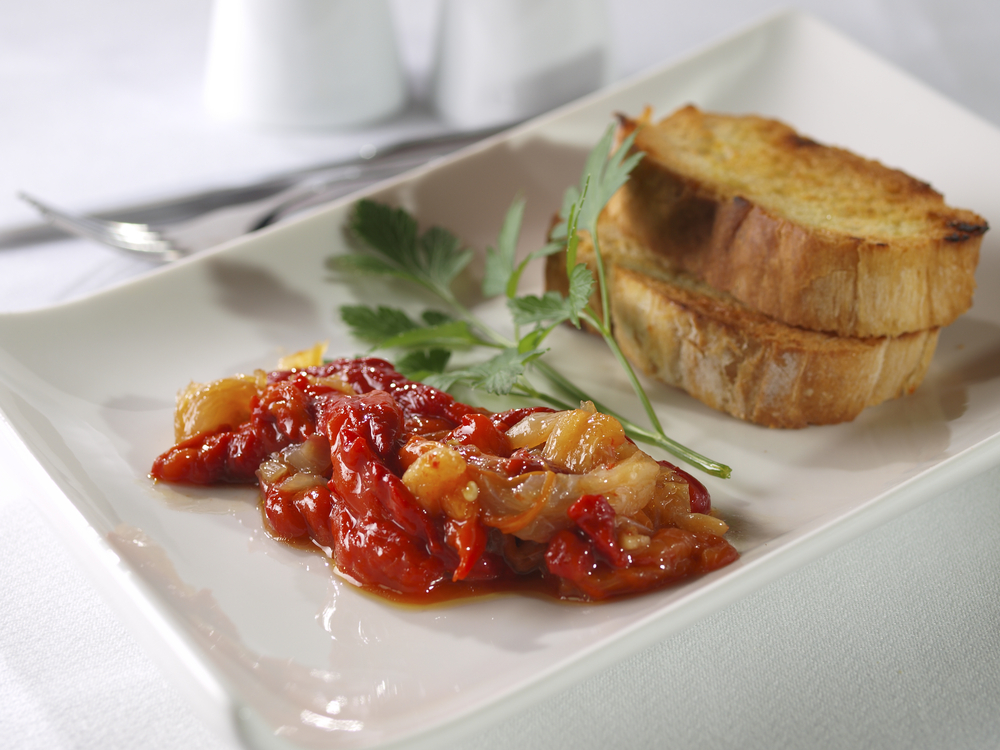
This is a simple dish made from roasted red pepper, salt cod, and olive oil. The ingredients are torn into strips — hence the name, which literally translates as "to tear." The texture of the dish is rough and lively, close to home cooking. The flavour is built on the contrast between the sweetness of the pepper and the saltiness of the fish — and that's the essence of it. The dish is usually ordered as a starter to go with wine.
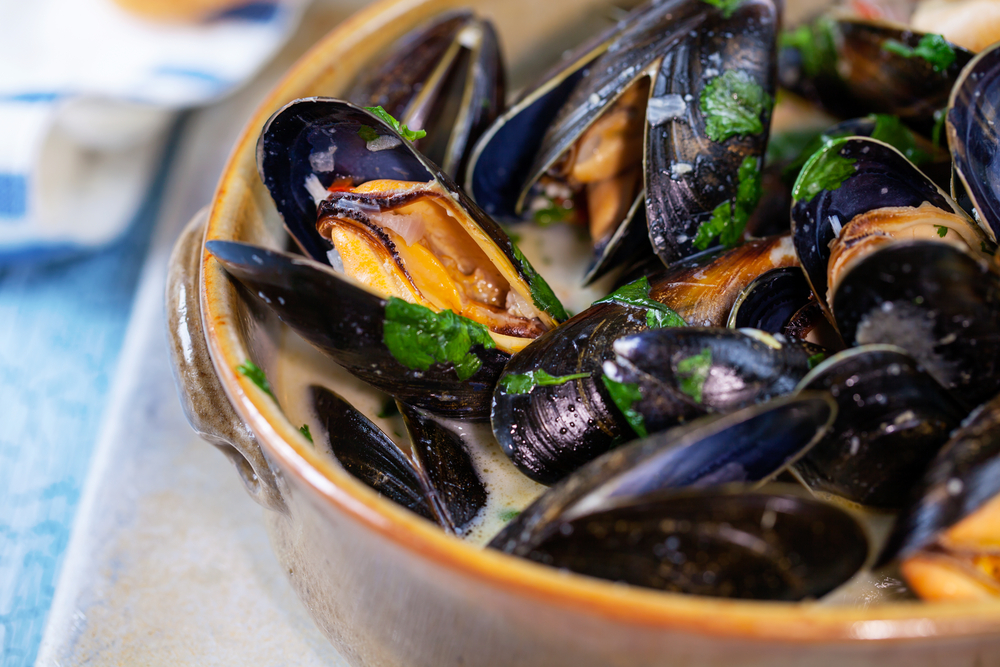
The local mussels are smaller than, for example, the Galician variety, but are considered richer in flavour. Clóchinas have a short season, which is precisely why they are prized. They are usually cooked very simply, without unnecessary additions, so as not to overpower their flavour.
Related Articles

The Best Schools in Valencia: State, Semi-Private, Private, and International — Ranked and Compared
From top-scoring state schools and Catholic semi-private institutions to IB programmes, British curricula, and the French Lycée — a data-driven guide to Valencia's best schools based on PAU results, Forbes and El Mundo rankings, and parent reviews
A Venezuelan Web Designer Built a Free Coworking for Valencia's Women Freelancers
Every Friday in a Sabadell bank office, up to ten women gather to work side by side. Founded by Venezuelan web designer Patricia Ordóñez, House of Freelancers has grown into a community with its own summit
Loading…
Loading…