



Support La Cotorra on Patreon
Access exclusive content, special perks, and closer connection with us.
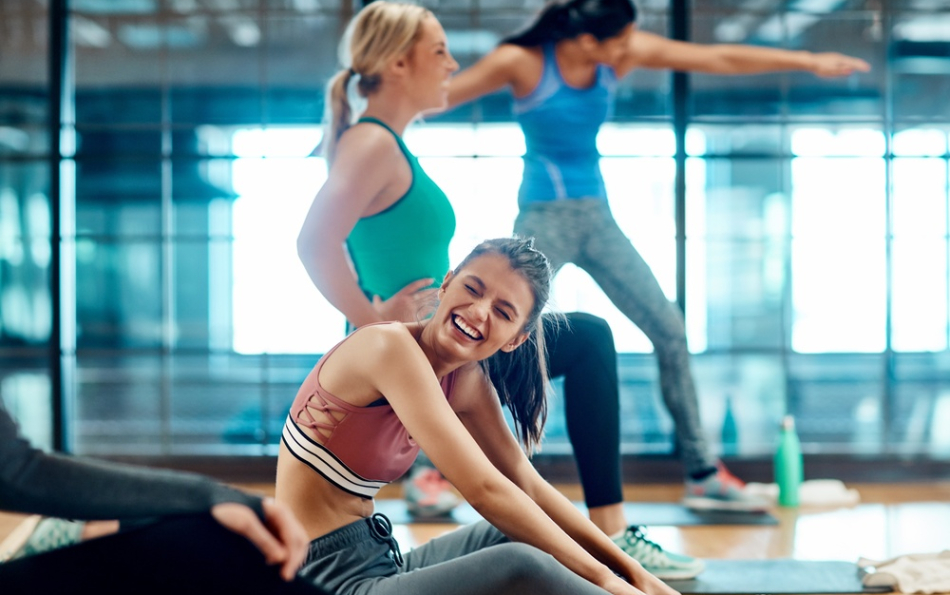
The British newspaper The Guardian recently published an article titled Do women need to exercise differently from men — and ease up on cardio after 40? Here is a summary of what experts are arguing about when it comes to gender differences in fitness and training.
The phrase "Women are not small men" has become the rallying cry of a new wave of female fitness. It was popularised by sports physiologist Stacy Sims — a researcher with a PhD, dozens of published studies, and a teaching position at Stanford. Her central argument: the female body works differently from the male body, which means that universal fitness recommendations — based largely on research conducted on men — don't always apply to women.
Sims argues that women have different muscle structure, metabolism, and hormonal responses to exercise. These differences become particularly pronounced after the age of 40, when perimenopause begins — a period of unstable fluctuations in reproductive hormones. In her view, this is precisely the moment when women need to change their approach to training: less "ordinary" cardio, and more heavy strength work and high-intensity interval training.
The idea gained traction because, for the first time, it offered not a "universal" approach to fitness, but a separate set of recommendations specifically for middle-aged women.
The main reason is a significant gender imbalance in sports science. A 2023 British Medical Journal article noted that women remain under-represented in research on physical activity and sport. The authors identified "significant gaps" in data on female physiology, athletic performance, cardiovascular health, muscle and bone health, and recovery following childbirth and breastfeeding.
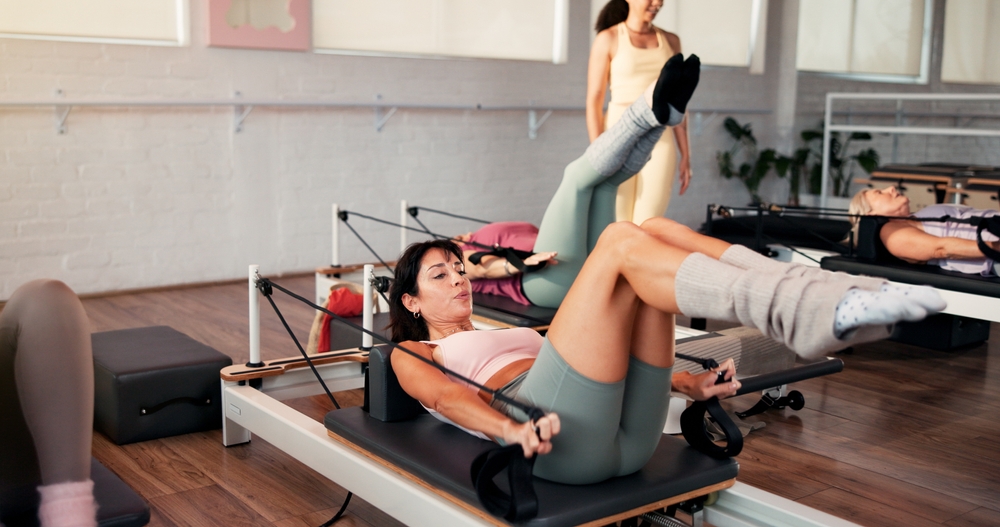
A University of Melbourne study found that sports psychology predominantly examines men. Another piece of research found that only 6–9% of high-quality studies in sports science focus exclusively on female athletes.
It is this data deficit that has created the space for a new wave of female-specific fitness — training systems designed specifically for women. Their advocates argue that conventional recommendations have, for decades,s been built on male samples and automatically applied to women without accounting for physiological differences.
Sims believes that after 40, women should move away from moderate-intensity training and shift to two types of activity: heavy strength training and "polarised cardio."
By polarised card, io she means:
— very intense short intervals (sprints with rest periods),
— or gentle walking.
Extended moderate-intensity cardio — such as standard jogging or typical fitness classes — she considers less effective for perimenopausal women.
In her view, after 40, the body responds less well to moderate loads: they do not create sufficient stress to stimulate the release of growth hormone and testosterone after exercise. This, Sims argues, leads to a decline in muscle quality and bone density in women.
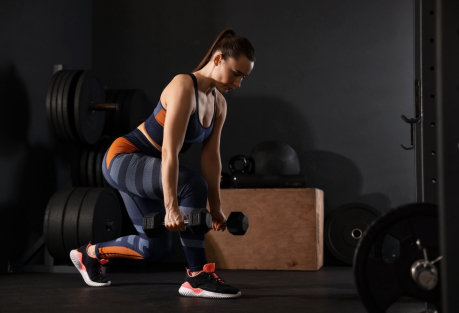
She also recommends strength training with heavy weights — loads you can lift for only 1–6 repetitions.
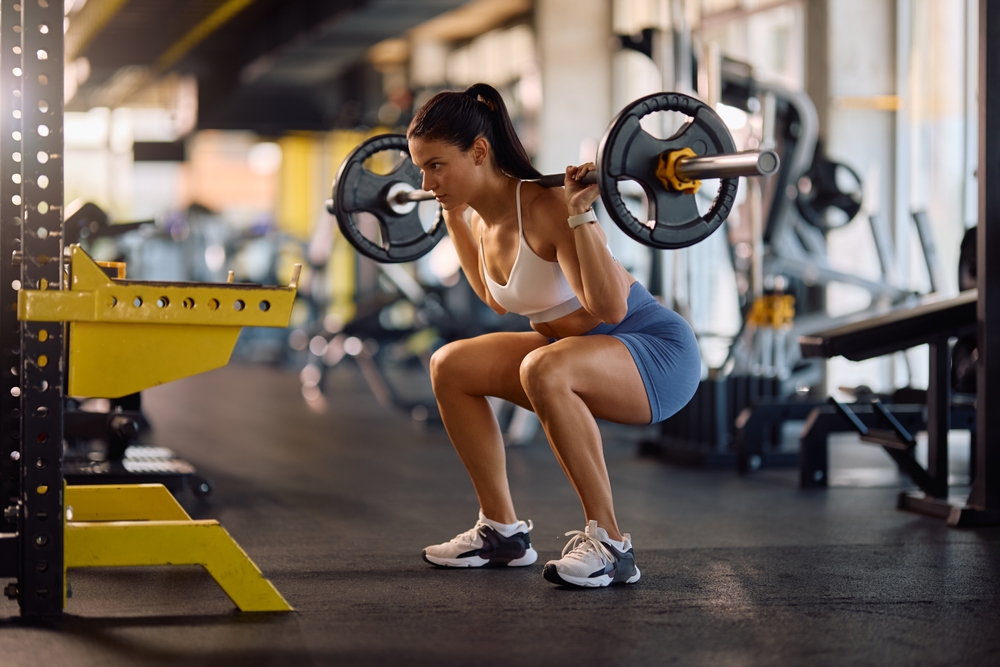
Sims also contends that typical fitness classes and moderate exercise do not produce a sufficient hormonal response. In her framework, women's bodies after 40 need either very intense training or restorative activity such as walking.
Critics find such statements overly categorical. They point out that moderate cardio remains one of the most thoroughly studied and reliable forms of physical activity. A 2022 study tracking more than 100,000 people over 30 years found that high levels of moderate physical activity reduce the risk of death from cardiovascular disease by 38%.
UK government guidelines on physical activity for adults aged 19–64 are considerably less radical than Sims's recommendations.
Official guidance recommends:
— at least 150 minutes of moderate activity per week (such as brisk walking),
or
— 75 minutes of vigorous activity (such as running).
In addition, muscle-strengthening exercises should be performed at least twice a week.
Importantly, "strength training" in these guidelines is not limited to heavy weights. The recommendations also include yoga, Pilates, gardening, and even carrying children.
Statistics suggest that the real problem is not doing the wrong kind of exercise, but not exercising at all. According to the Health Survey for England 2021:
— 59% of women meet aerobic activity guidelines,
— only 29% meet strength training guidelines.
For men, the figures are 70% and 36% respectively.
Critics of Sims argue that her approach may be potentially harmful. Trainer Laurel Beversdorf and physiotherapist Sarah Court contend that the problem lies in once again treating the female body as a "special," more fragile case.
In their view, this replicates an old pattern:
— framing the female body as a "problem,"
— reducing everything to hormones,
— imposing rigid rules on all women at once.
They note that Sims effectively leaves men with a wide range of activity options while offering women a more restricted set of workouts.
Experts also consider it risky to discourage women from moderate exercise — particularly given that sprint intervals are poorly suited to beginners. The evidence base for moderate cardio, they argue, is considerably stronger than that for most female-specific fitness trends.
The age of 40 in Sims's framework is not an arbitrary figure. It is used as a marker for the onset of perimenopause — the period when oestrogen and other reproductive hormones begin to fluctuate unpredictably.
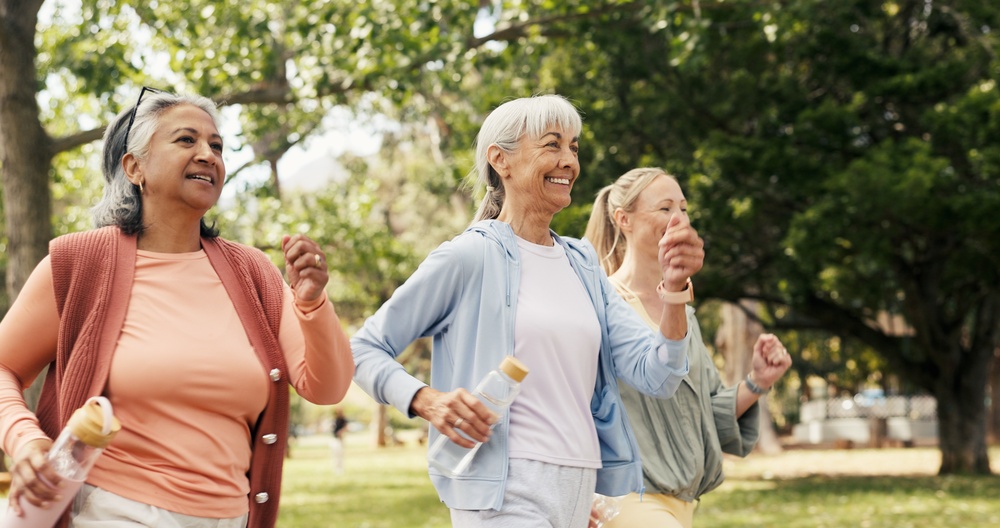
Sims argues that these hormonal fluctuations alter how the body responds to training:
— the ability to maintain muscle mass declines,
— bone health deteriorates,
— and recovery from exercise changes.
She therefore proposes shifting the emphasis to heavy weights and intense intervals as a way of compensating for these age-related changes.
However, the article makes clear that the scientific community has yet to reach a consensus. Many specialists agree that perimenopause genuinely affects the body, but consider that the existing evidence is insufficient to justify rigid universal recommendations for all women over 40.
Strength training is the one element of Sims's approach that many experts partially endorse. Research does show that resistance training helps maintain muscle mass and bone density as we age.
Sims specifically recommends heavy weights — loads that allow only 1–6 repetitions.
But other specialists argue this is not the only effective option. Fitness trainer Elizabeth Davis points out that research shows muscle and strength can also be built with lighter weights — as long as you train close to muscular failure, the point at which the next repetition can no longer be performed properly.
This matters, she says, because not all women have access to heavy barbells or the ability to train at a gym regularly.
The article's central conclusion is that the question is no longer whether men and women differ physiologically. On that point, there is little disagreement. The argument is about something else: how far those differences should change the principles of training itself.
Stacy Sims believes the differences are critical — especially after 40 — and require a separate training system for women.
Her opponents respond:
— The evidence is still insufficient,
— most basic training principles are universal,
— cardio and strength work are beneficial for women at any age,
— and overly rigid rules create barriers rather than motivation.
All sides do agree on one thing: for decades, the fitness industry underestimated the importance of strength training for women. And that is precisely why the topic of female strength, muscle, and working with weights has become so prominent today. The debate around "women are not small men" is, in fact, not only a conversation about physiology — it is also an attempt to rethink longstanding assumptions about what women's bodies and women's sport are supposed to look like.
Related Articles

What is skimo and why Spaniards are so good at it?
All three Spanish medals at the 2026 Olympics were won in ski mountaineering — a sport making its debut on the Olympic programme. La Cotorra tells you what the sport is, how the Spaniards managed to achieve such success, and where you can try it yourself
Valencia Prepares for First Total Solar Eclipse in Over a Century
On August 12, 2026, the city will witness a total solar eclipse — the first visible from the region in more than 100 years, with the next not due until 2180
Loading…
Loading…