






Support La Cotorra on Patreon
Access exclusive content, special perks, and closer connection with us.
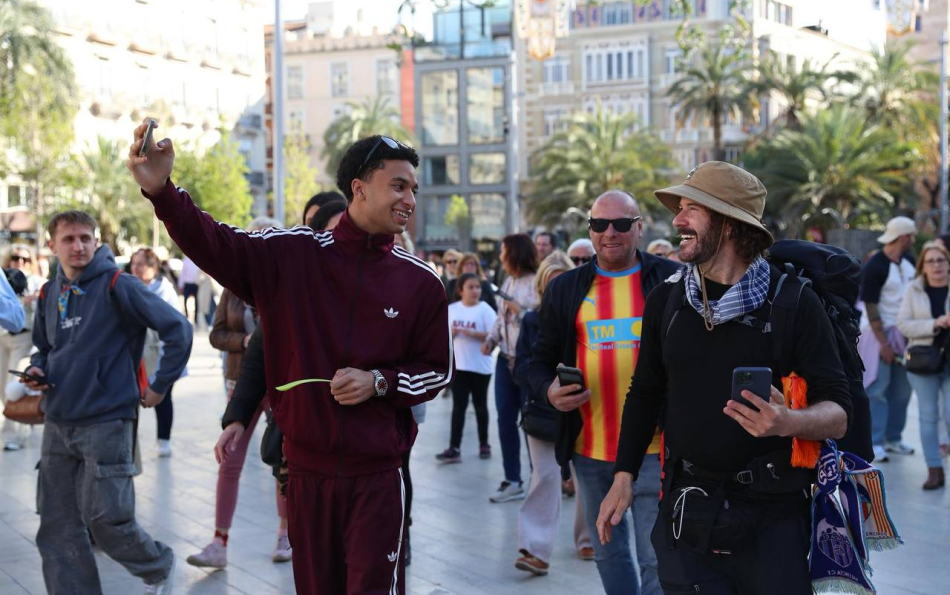
Actor, independent filmmaker and producer Héctor Melgares Climent walked from Madrid to Valencia — more than 400 kilometres in two weeks — to remind people that those affected by the DANA floods have still not returned to normal life. He called the project Caminando para Valencia ("Walking for Valencia"): for eight to ten hours a day, he live-streamed, talking to people he met along the way and to his online audience. Around four million people followed his route in real time. Speaking with La Cotorra, he told us how the project came about and what he saw on the way.
Héctor is half Valencian: his mother is from Valencia, and he grew up between the two cities, though he now lives and works in Madrid. When he heard about the flood, he set off for the region almost immediately as a volunteer.
"I saw it on the television, and I just knew I had to go. I loaded up the car — food, toys for the children, essentials — and drove. It didn't feel like a decision. It felt as if there was no other way to react. I spent several days there, and it was a turning-point experience for me," he says.
Héctor works in theatre and film, makes documentaries, and uses his social media platforms to address pressing social issues. His previous work includes a documentary about refugees, Los sueños de Idomeni ("The Dreams of Idomeni"), which deals with forced migration.
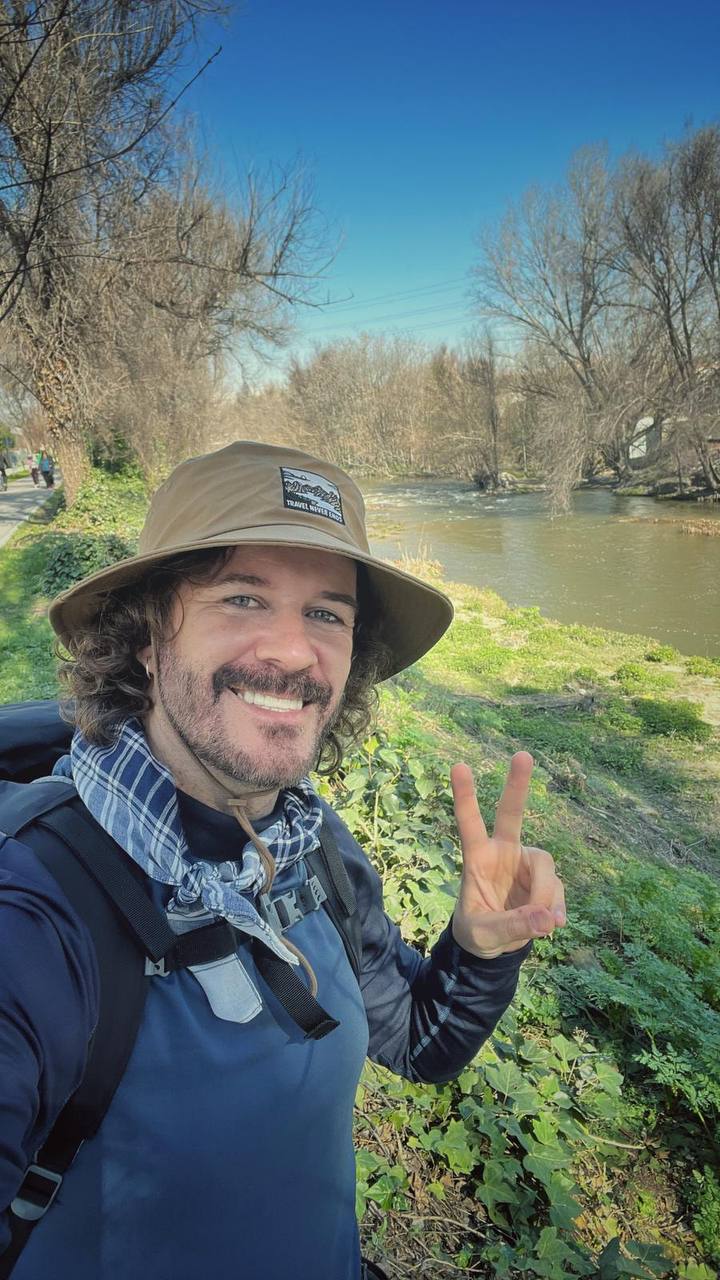
"I have an audience, and I can speak to a lot of people. If that can be used to help, then it should be," Héctor says.
After his trip to Valencia, he stayed in touch with people he had met in the affected areas — including in Paiporta, one of the worst-hit towns in the region. "They were writing to me a month later, three months later, six months later. And the message was always the same: we still haven't returned to normal life."
Héctor began travelling to Valencia more often, going live, talking to residents. But he soon realised that this wasn't enough.
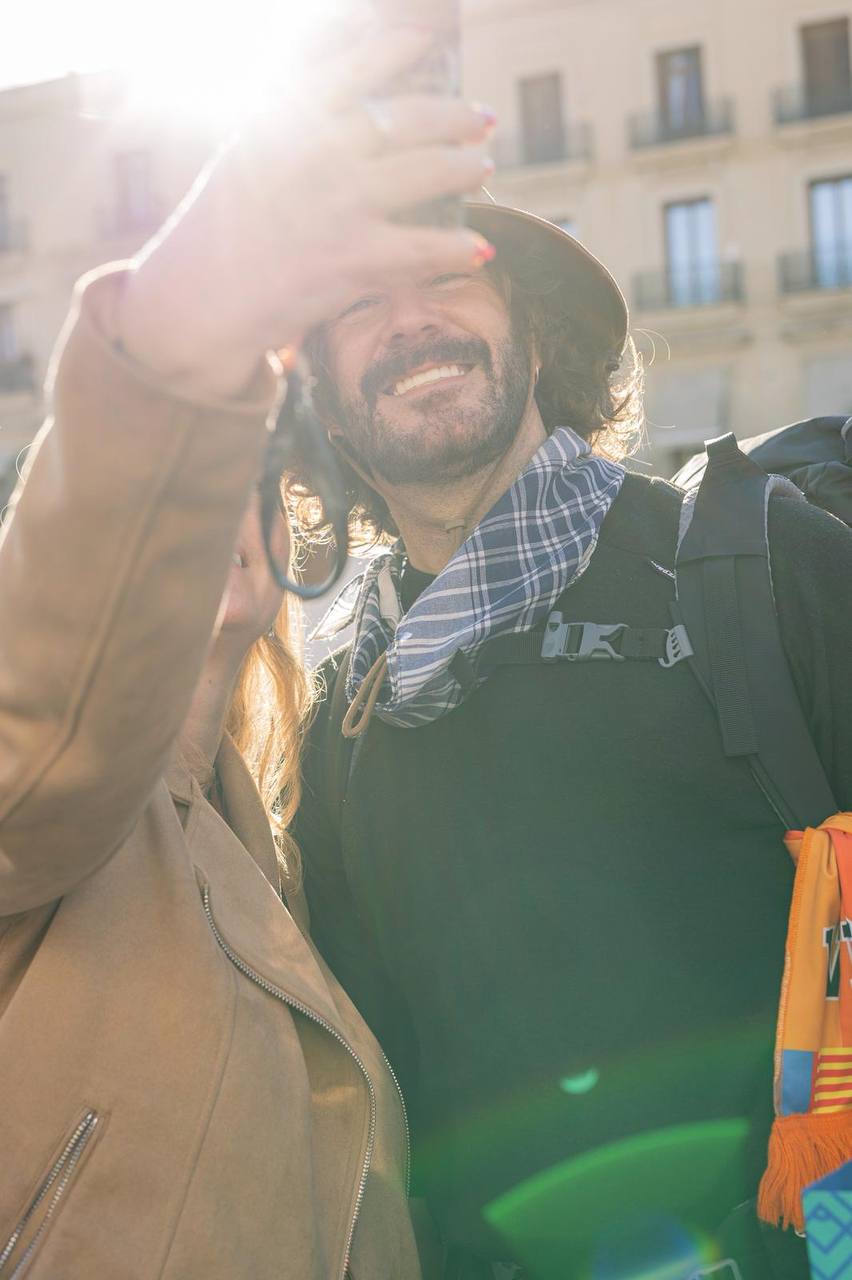
"A video lives for a day, maybe two. Then a new story comes along, and that's it. But the people are still there, in the same place. I thought: if I have an audience, if I can live-stream, if I can physically handle it, then I can do something more than just another clip — I can do a long route that people can follow day after day," he says.
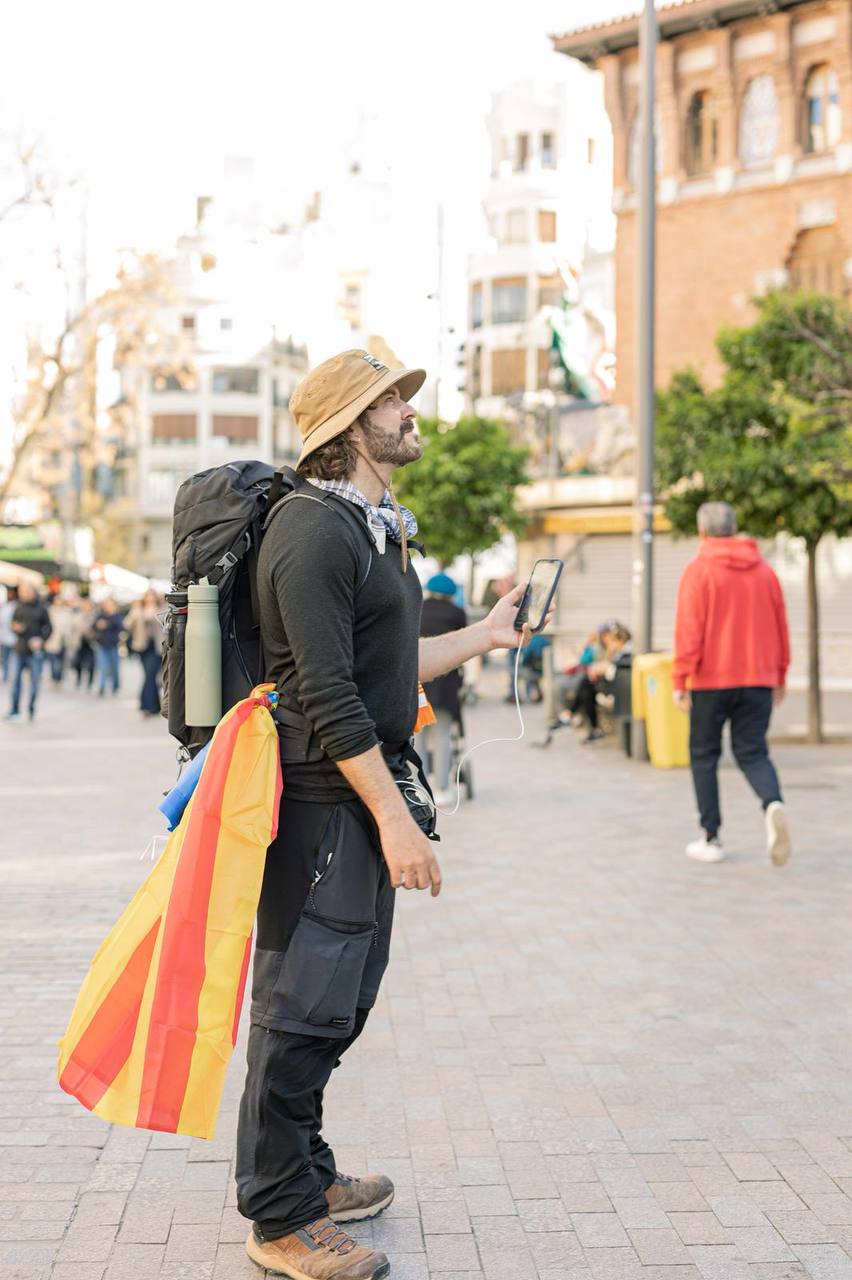
He plotted the route himself — there is no official walking trail between Madrid and Valencia. The result was a little over 400 kilometres, through small towns and along secondary roads. Héctor decided to do it in 14 days, covering 25–35 kilometres each day. "It was a full-time job. I'd walk and stream at the same time, talking, answering questions. Then in the evening,g I had to edit and upload everything."
Some streams ran for eight or ten hours. Viewers asked questions, shared their own stories, and followed Héctor's progress in real time.
"I knew I'd be alright psychologically. But sometimes the body just doesn't cooperate. My legs hurt, my back, my shoulders. Even my hands — because you're holding the phone for hours and talking the whole time," he says.
Sometimes he had to switch off the stream to make it to the next stop before nightfall. Along the way, ay he passed through small villages with populations of a few dozen people, where he was often stopped and questioned.
"At first, first they thought it was some personal story. They'd ask: " Do you just like walking? I'd explain that I was going to Valencia because people there still need help, and they're starting to be forgotten. And immediately the attitude shifted — people wanted to help in some way, to show their support," Héctor recalls.
Help came from passers-by and from his viewers alike. "A woman called Minerva wrote to me: 'I know where you are right now, you'll be passing through our town. If you have nowhere to sleep — I have a house.' And situations like that happened more than once." On one occasion, a man named Miguel pulled up alongside him on the road; he had heard on the live stream that Héctor was running low on supplies and brought him food and water.
Héctor also launched a crowdfunding campaign, sharing the link in his streams and on social media. By the end of the project, he had raised around €3,700.
"Of course, I would have liked it to be more. But people give what they can. There are so many crises competing for attention right now, and people's focus shifts very quickly," he says.
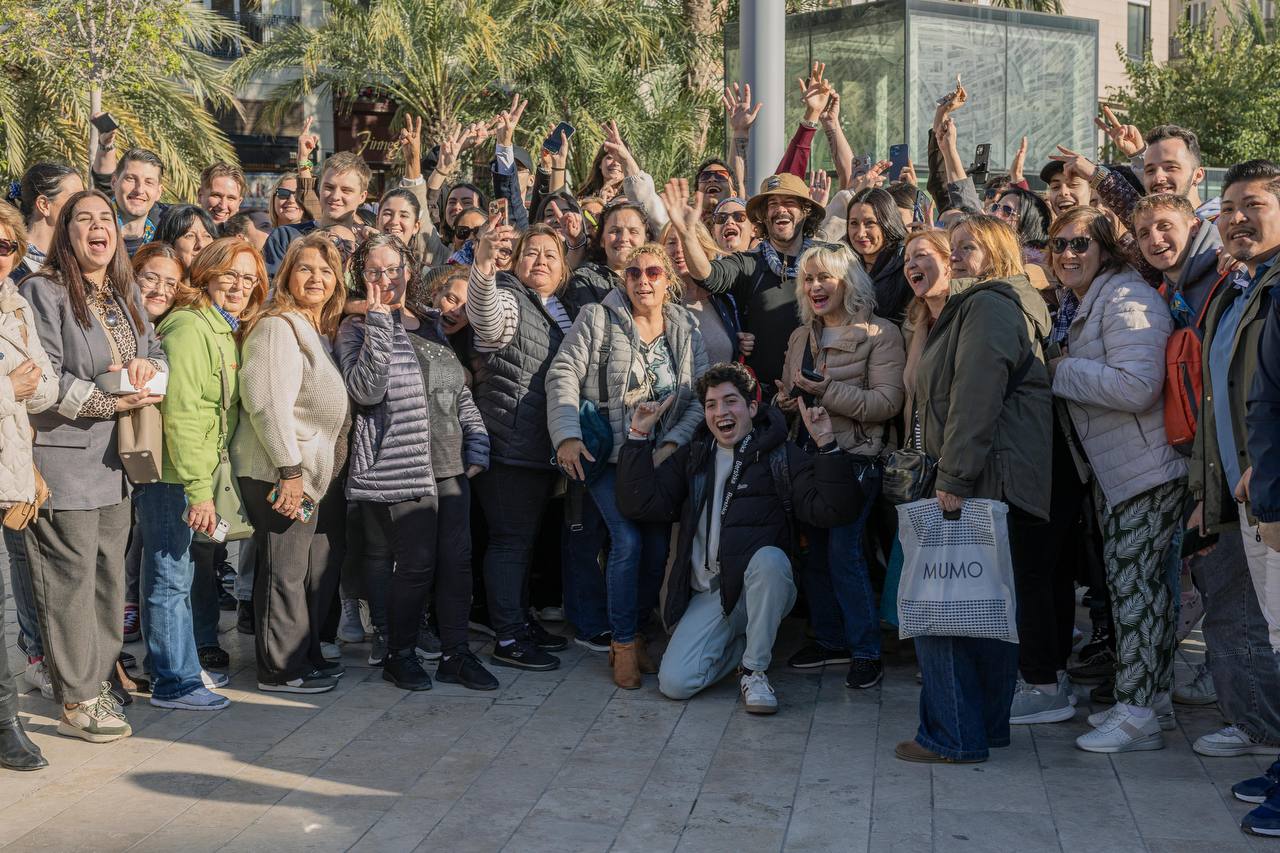
As he got closer to Valencia, he was recognised more and more often. Cars beeped at him, people waved, and some stopped to talk. When he walked into central Valencia, hundreds of people were waiting for him at Plaza de la Reina — many of whom had been following his progress live the entire way.
After that, he returned to Madrid and got back to work, including on the material he had gathered along the way. He now plans to turn it into a separate documentary project.
Related Articles
Ruzafa Named Valencia's Noisiest Neighbourhood
Police received 3,525 noise complaints from Ruzafa in 2025 — nearly ten a day — as the district becomes the city's latest acoustic protection zone
Loading…
Loading…