







Support La Cotorra on Patreon
Access exclusive content, special perks, and closer connection with us.
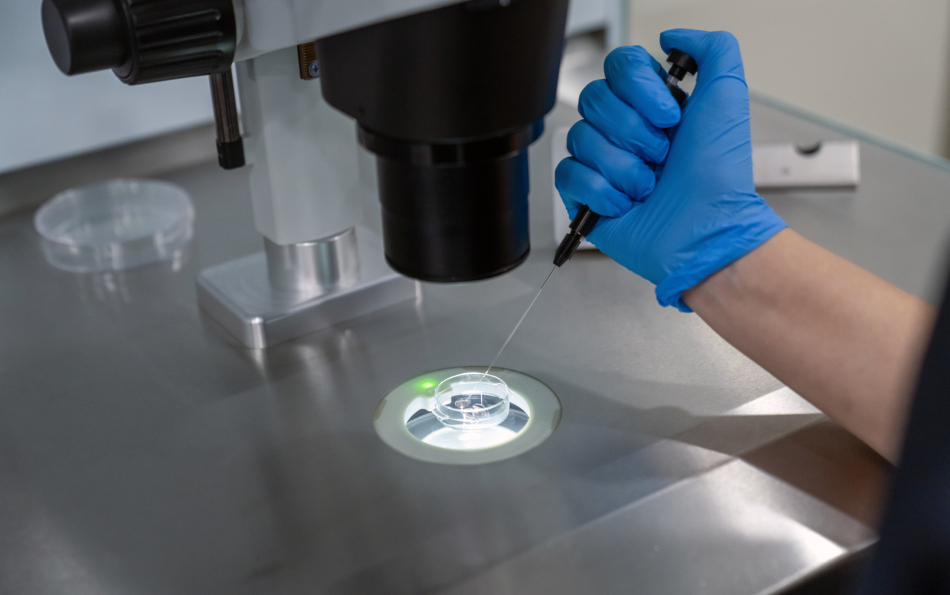
Spanish fertility specialists have linked differences in sperm quality among men from different regions of the country to air pollution and toxic substances in the environment. According to a study by the medical group Grupo Internacional UR, men in Asturias have almost twice as many motile sperm as men in Madrid.
The study covered seven Grupo Internacional UR centres specialising in assisted reproduction and compared sperm quality among residents of different regions of Spain. The work confirms the findings of an earlier 2023 study published in the journal Archives of Medical Research, but this time the authors added a lifestyle questionnaire for participants to rule out confounding factors.
To assess sperm quality, the authors looked at a combination of two of the most important fertility parameters: sperm concentration and motility. The more motile sperm there are, the higher the chances that one of them will reach the egg and fertilise it. Men in Asturias have, on average, around 95 million motile sperm per ejaculate, while for men in Madrid this figure barely reaches 50 million.
One of the study's authors, biologist Rocío Núñez Calonge, explained that the difference between Spain's regions is influenced by factors that can't be controlled for — air pollution, environmental toxins, and endocrine disruptors. At the same time, lifestyle factors such as obesity, smoking, and physical inactivity do affect sperm quality, but all else being equal, it may be the environment that plays the decisive role.
Albert Salas-Huetos, a lecturer at the Rovira i Virgili University in Tarragona, notes in comments to El País that the questionnaire didn't include questions about eating habits or the Mediterranean diet: participants were only asked about their coffee and alcohol consumption.
"The study's data confirm that, across Spain as a whole, sperm concentration is now half what it was estimated to be 50 years ago. This is alarming and clearly means that something is affecting sperm quality both in Spain and across the rest of the world," says Nicolás Olea, professor of radiology and physical medicine at the University of Granada.
According to Salas-Huetos, sperm-quality data in countries like Spain are "starting to raise concern" and are already driving an increase in the number of assisted-reproduction cycles. It's estimated that 15 to 17% of couples of reproductive age face infertility or difficulty conceiving, and in half of these cases, the cause is linked to the man.
Related Articles
"Skazka": The Valencia Shop That Became a Home for the First Russian-Speaking Émigrés
Twenty-five years ago, before chats and expat groups existed, a small grocery store in Valencia became the place where newcomers found jobs, housing, friends — and each other
Loading…
Loading…