









Support La Cotorra on Patreon
Access exclusive content, special perks, and closer connection with us.
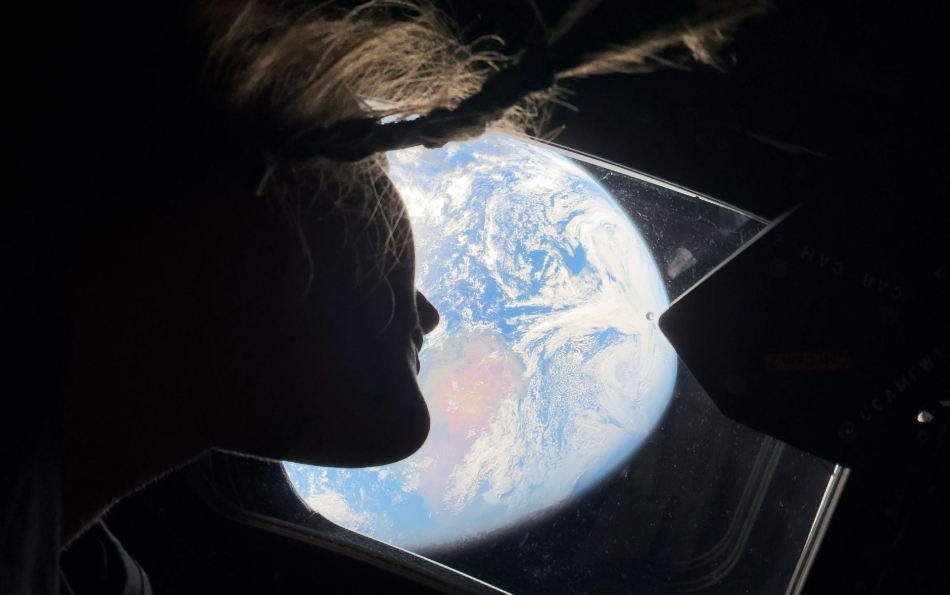
From all sides—on social media and in the press—you hear the same refrain: "People have flown to the Moon," "People are heading for the Moon," "People have orbited the Moon." But where exactly is the sensation? Humans have already been to the Moon, haven't they? So why all the fuss now? What makes this journey special, and what is its purpose? Scientific journalist Ilya Ferapontov explains it all for La Cotorra.
In short: four astronauts aboard the Orion spacecraft have orbited the Moon and are currently returning to Earth.
Yes, humans have visited the Moon before, but that was over half a century ago. The last lunar mission, Apollo 17, concluded on 19 December 1972. Since then (until this week), no human had traveled further from our planet than low Earth orbit. Only 24 astronauts have ever flown to the Moon, and of those, only six are still alive today.
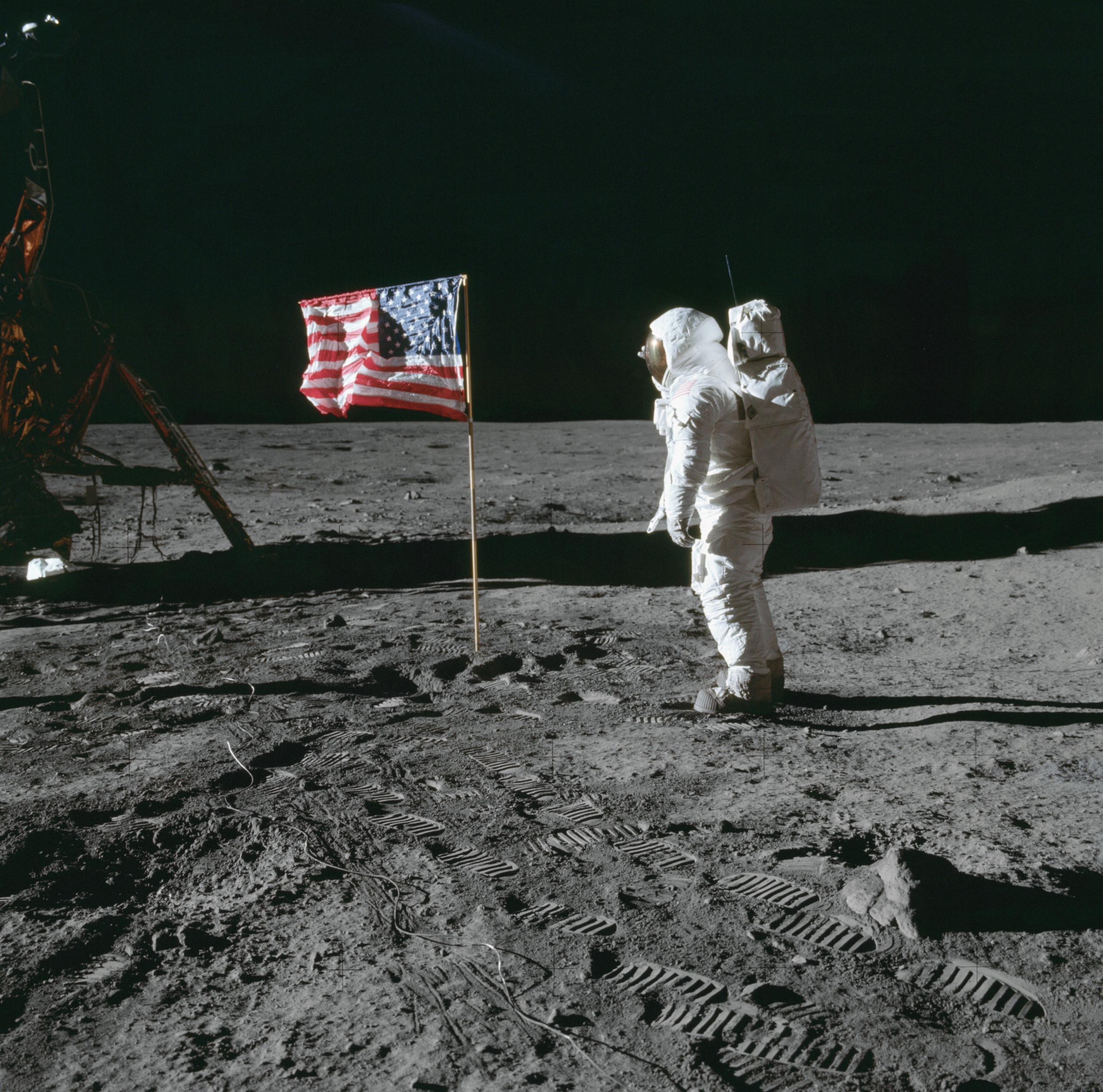
The American lunar program was primarily a political venture. The US government felt the need to "overshadow" Soviet space achievements—most notably Yuri Gagarin's flight—to prove American capabilities were superior. Consequently, President John F. Kennedy announced that Americans would step on the lunar surface before the end of the decade.
Through an immense strain of resources, they succeeded. NASA's budget was increased nearly eightfold. Engineers led by Wernher von Braun (the creator of the V-2 rockets) built the Saturn V, the first super-heavy rocket in history with a payload capacity nearly 20 times that of the Soviet Soyuz. The Apollo spacecraft and lunar landing modules were created specifically for this purpose.
The USSR did not meet the challenge. The Soviet military, the primary customers of space programs, saw little point in lunar flights. By the time a crewed program was launched, they had fallen hopelessly behind. While they managed to send a robotic craft with tortoises around the Moon, their super-heavy N-1 rocket failed four consecutive test launches. In 1974, the Soviet lunar program was scrapped—the race was lost. However, its legacy lives on: the Soyuz spacecraft was originally designed for lunar travel.
No. In the late 1960s, NASA had ambitious plans including habitable stations in orbit and on the surface, nuclear-powered inter-orbital tugs, and reusable shuttles. A crewed mission to Mars was even planned for 1989.
But the administration faced budget deficits and the Vietnam War. Once the race was won, the incentive vanished. Planned Apollo missions were cancelled. The only major project that survived was the Space Shuttle program. Authorities hoped reusable ships would make space travel cheaper, paving a sustainable path back to the Moon. That calculation failed: shuttles turned out to be far more expensive than expendable rockets, and for decades, only robotic probes ventured beyond Earth's orbit.
The "Skylab" station did not survive to see the first shuttle flights, falling from orbit due to high solar activity. Delivery of cargo by shuttles proved to be much more expensive than using traditional rockets. A pause set in, lasting decades.
The foundation for today’s flight was laid in 2004 by George W. Bush, who promised a return to the Moon by 2020. Though his "Constellation" program was cancelled by Barack Obama six years later, the development of the Orion spacecraft continued.
Obama fundamentally pivoted American space strategy. He decided to let private business handle low Earth orbit and ISS deliveries, while NASA focused on deep space exploration. This plan worked: today, NASA pays private companies (the most famous being SpaceX) for delivery services, much like calling a taxi instead of buying a car.
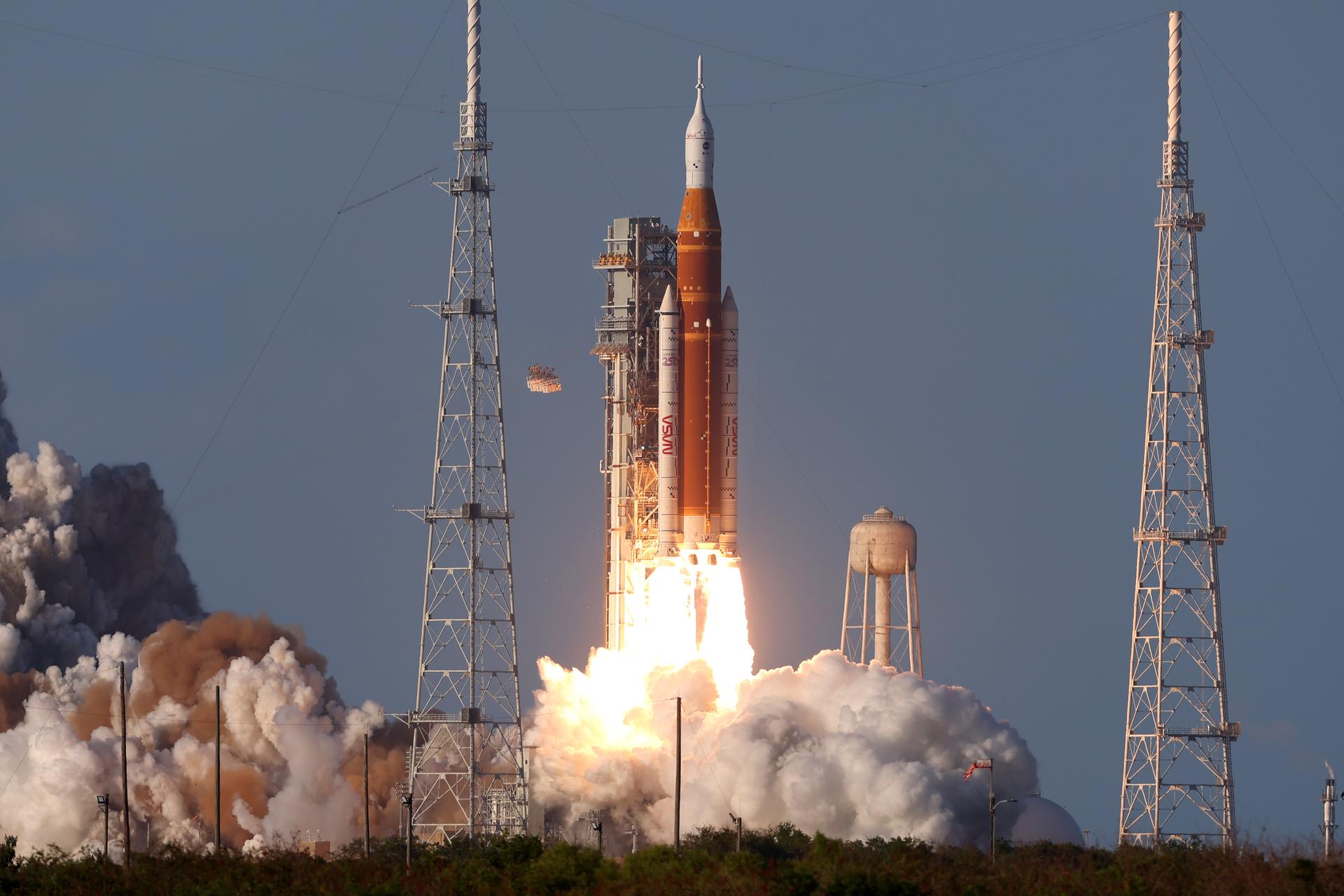
Private companies (led by Elon Musk) made orbital flights much cheaper. NASA's new lunar rocket, the SLS, and the Orion spacecraft utilize existing components—like the Space Shuttle's RS-25 engines—to save costs. Now, 12 years after Orion's first orbital test, it has finally carried humans to the Moon. The incentive? China. The Chinese space agency is moving methodically toward its own lunar expedition, having already landed rovers on the far side of the Moon. Their goal of landing taikonauts on the surface looks increasingly realistic.
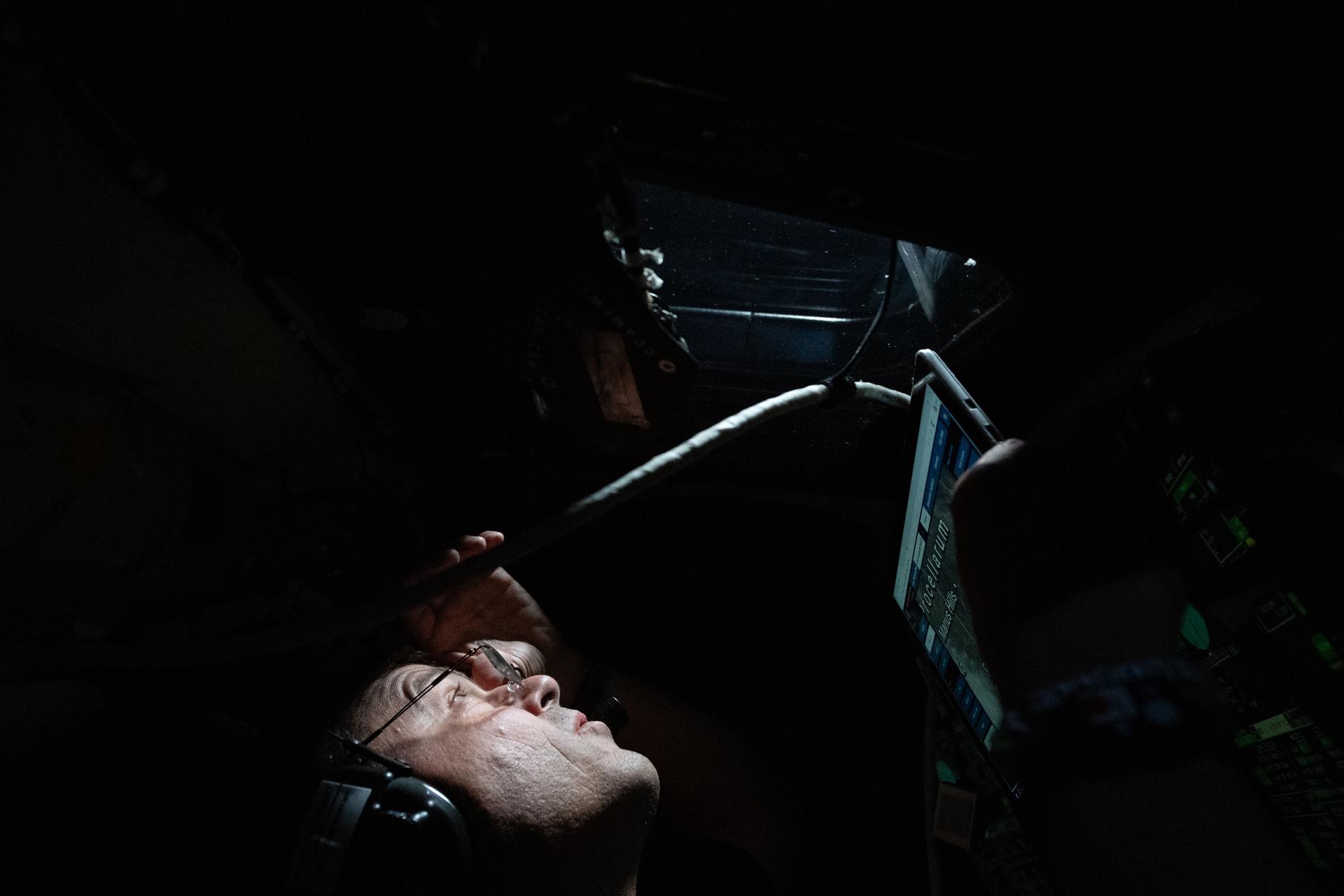
The US program remains volatile. In February 2026, the Artemis III landing was delayed to 2028. It is still unclear whether Elon Musk's Starship or Blue Origin's lander will carry humans to the surface, and political shifts could still threaten the program's long-term future.
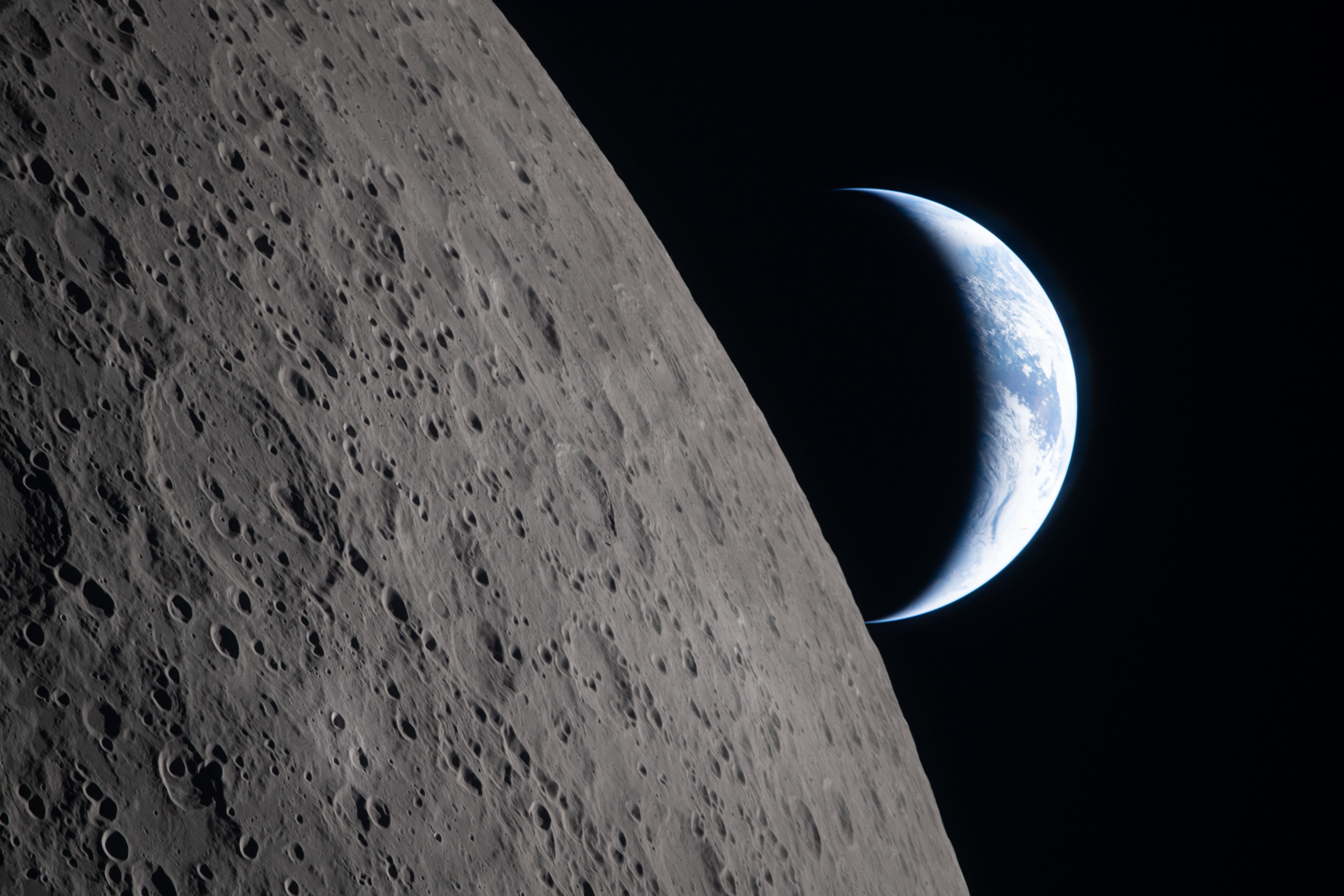
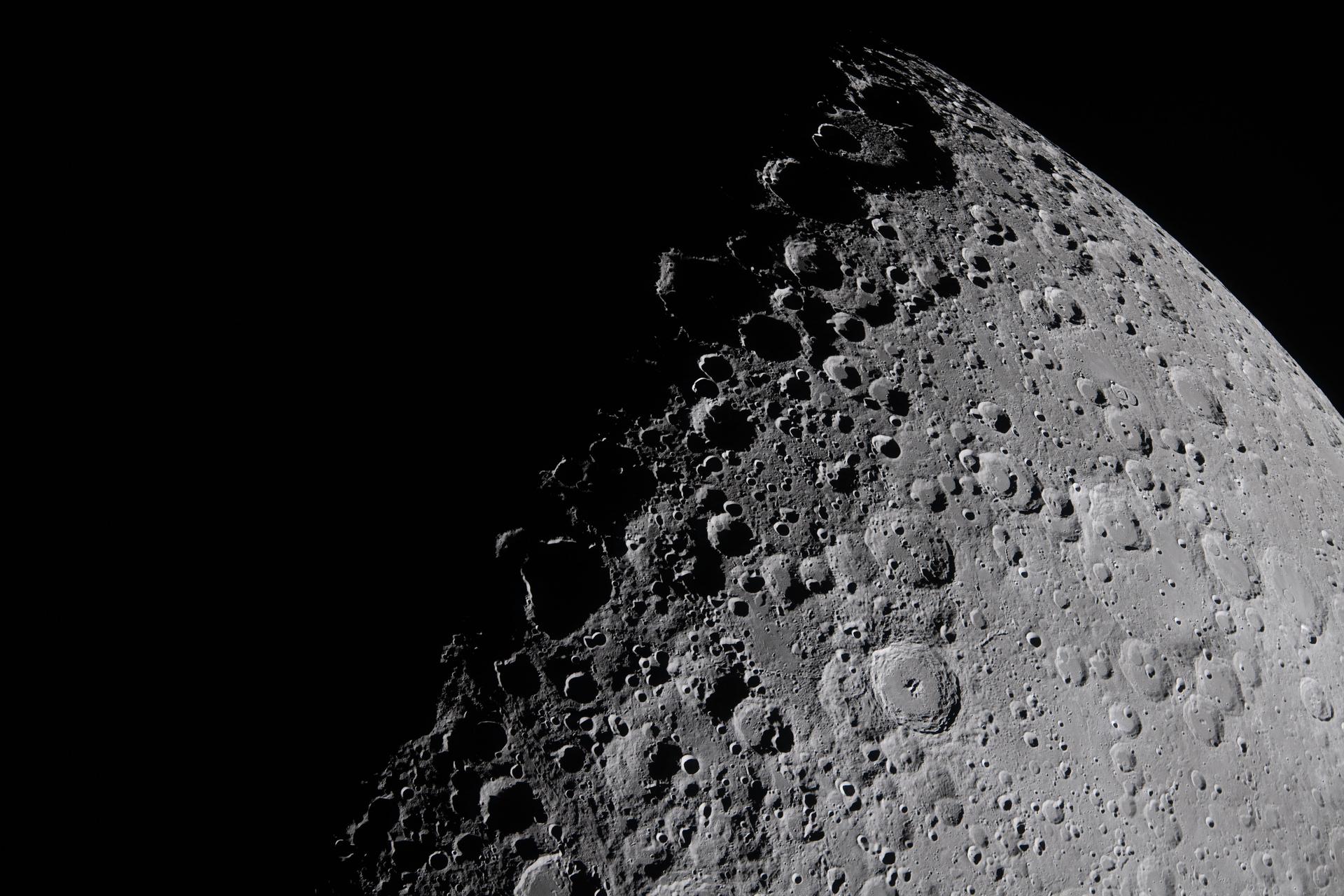
Strictly speaking, the Moon has changed since the Apollo era—it has become far more interesting. In the 2010s, we confirmed the existence of massive reserves of water ice in "cold traps" (craters in permanent shadow) at the lunar poles. This isn't just water and oxygen for bases; it's hydrogen and oxygen fuel for spacecraft.
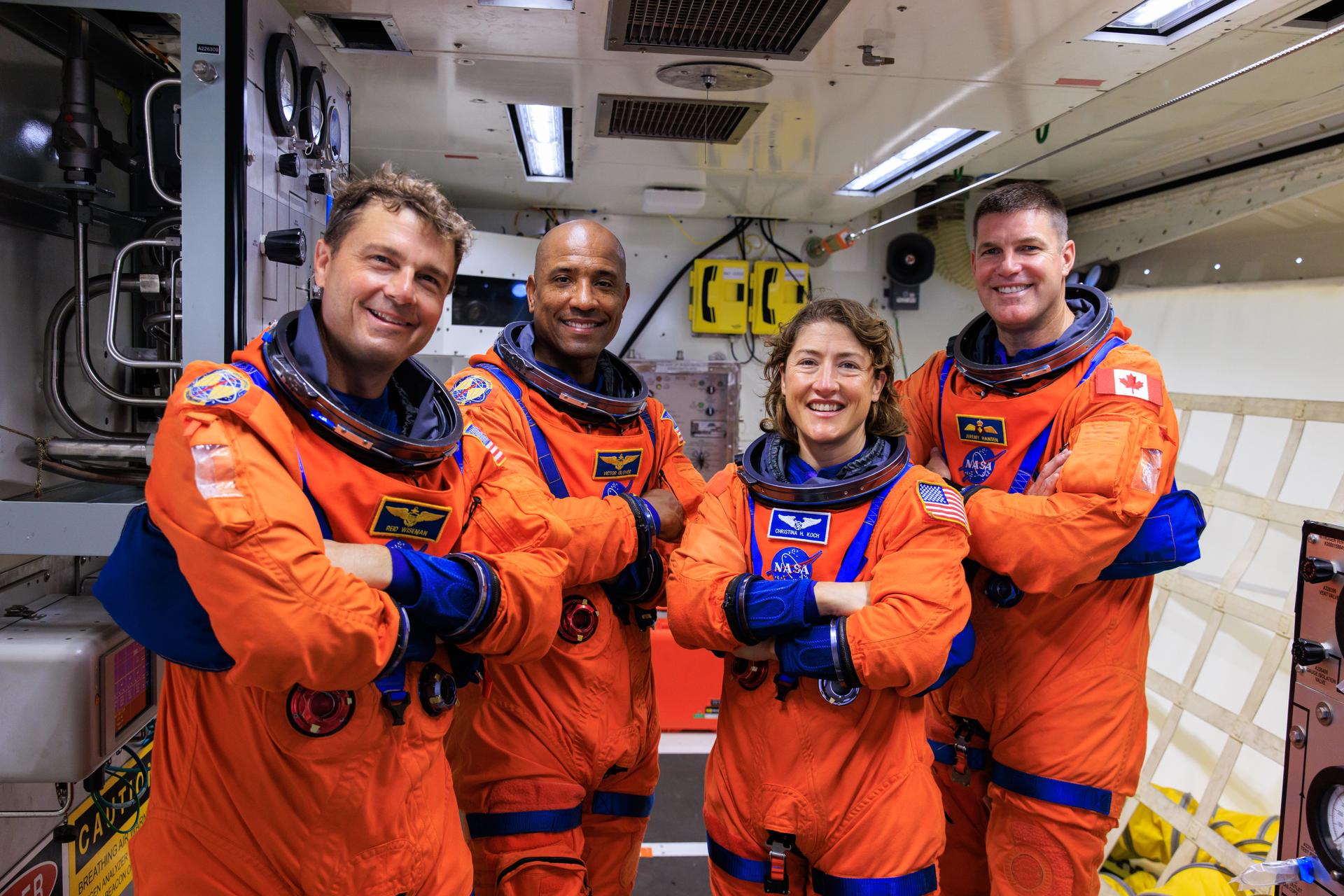
The Moon is also an ideal spot for radio telescopes (shielded from Earth's noise) and acts as a proving ground for the next leap: Mars. As Elon Musk often reminds us, the Sun will eventually turn into a red giant, making Earth uninhabitable billions of years from now. We must start somewhere—first Mars, then beyond. And that start begins at the Moon.
Related Articles
Valencia Approves €340K Las Fallas Funding for 2027–2029 but Rejects 3-Day Ofrenda Proposal
Prizes for Fallas committees will see a major boost, while the iconic flower offering stays locked into its traditional two-day schedule on March 17–18
Loading…
Loading…