






Support La Cotorra on Patreon
Access exclusive content, special perks, and closer connection with us.
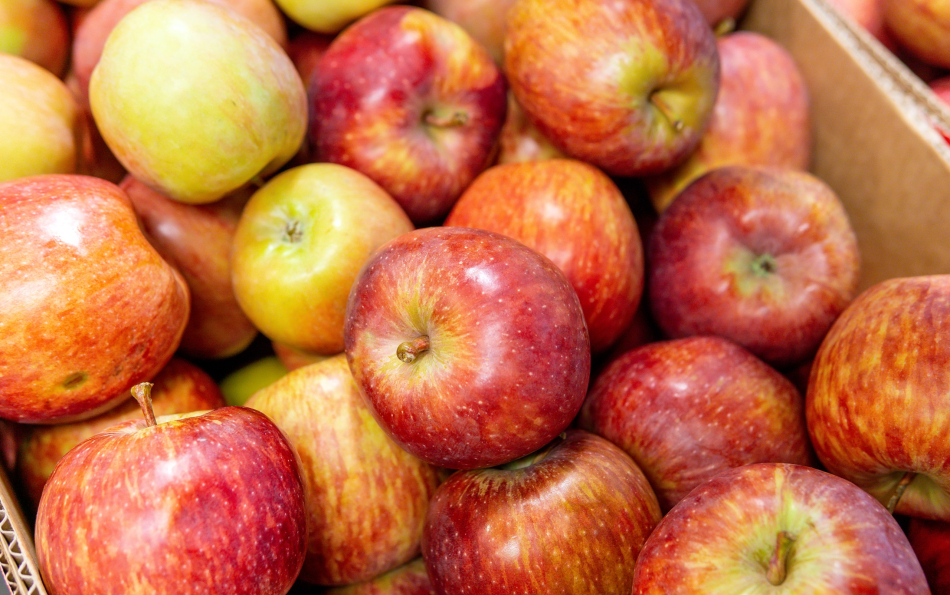
According to a study carried out by Pesticide Action Network Europe together with 13 European organisations, residues of at least one pesticide were found in 100% of apple samples from Spain. In total, researchers analysed 59 apple samples from 13 European countries. Across Europe, 93% of fruit contained traces of pesticides, and in some cases, a single apple contained up to seven different pesticide residues.
Key findings of the study:
— 85% of apples contained multiple residues of different pesticides;
— 71% contained at least one residue from the EU’s most toxic category of pesticides;
— 64% contained PFAS-group pesticides (a group of thousands of man-made “forever chemicals” that barely break down in the environment);
— 36% of samples included neurotoxic substances.
Results for Spanish apples were also high. 100% contained at least one pesticide; 80% had residues of several different pesticides; 60% contained PFAS substances; and 60% contained neurotoxic pesticides.
One of the most frequently detected substances was fludioxonil — a pesticide classified in the EU as an endocrine disruptor. According to the researchers, it may be toxic to the human liver and kidneys and harmful to aquatic ecosystems.
The authors note that pesticides are usually assessed individually, while the effects of their combinations in food are still poorly understood. “There is a growing body of scientific evidence pointing to the potential impact of multiple pesticide residues through food, particularly on reproductive health,” they explain.
The experts also highlight that 93% of the apples tested would not meet standards for baby food, where permissible pesticide levels are much lower. For that reason, the researchers advise choosing organic apples where possible, and washing and peeling conventional apples — especially if they are intended for children.
Related Articles
Beyond Paella: Discovering All i Pebre, Valencia’s Best-Kept Culinary Secret
Deep in the heart of the Albufera wetlands, the fishing village of El Palmar preserves a traditional, rich garlic and wild eel stew that tourist traps completely miss
Loading…
Loading…