

Support La Cotorra on Patreon
Access exclusive content, special perks, and closer connection with us.
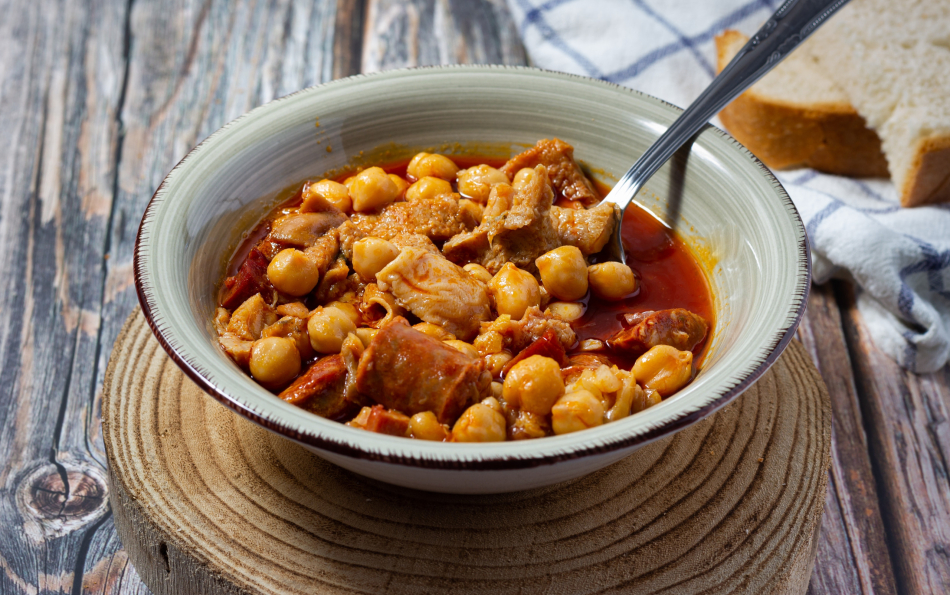
The Council of Madrid has officially recognised coicido madrileño as an object of cultural heritage of Spain.
‘It is a deeply embedded recipe that goes beyond gastronomy and has been part of the daily life of Madrid's inhabitants for centuries, both in rural and urban environments,’ the statement said.
Cocido madrileño is a hearty hot stew that has been around for centuries in Madrid and its surroundings. It appeared more than 150 years ago. The dish is made from chickpeas, meat, sausages and vegetables, which are mixed together and cooked for a long time. Madrid stew is traditionally served in three stages — first the broth, then the chickpeas with vegetables, and only then the meat.
Historically, stew was a dish of the poor, made from affordable ingredients. Over time, the perception has changed — today, Cocido madrileño can be found both on the tables of Spanish families and in famous restaurants. The first mention dates back to the 19th century, and its predecessor is considered to be an older dish called olla podrida, known since the 16th century.
Different cities and villages in the region have their own versions of the stew. In Villa del Prado, it is called pradeño, in Senisentes — corucho, and in Navalcarnero — olla del segador.
Related Articles
Beyond Paella: Discovering All i Pebre, Valencia’s Best-Kept Culinary Secret
Deep in the heart of the Albufera wetlands, the fishing village of El Palmar preserves a traditional, rich garlic and wild eel stew that tourist traps completely miss
Loading…
Loading…