
Support La Cotorra on Patreon
Access exclusive content, special perks, and closer connection with us.
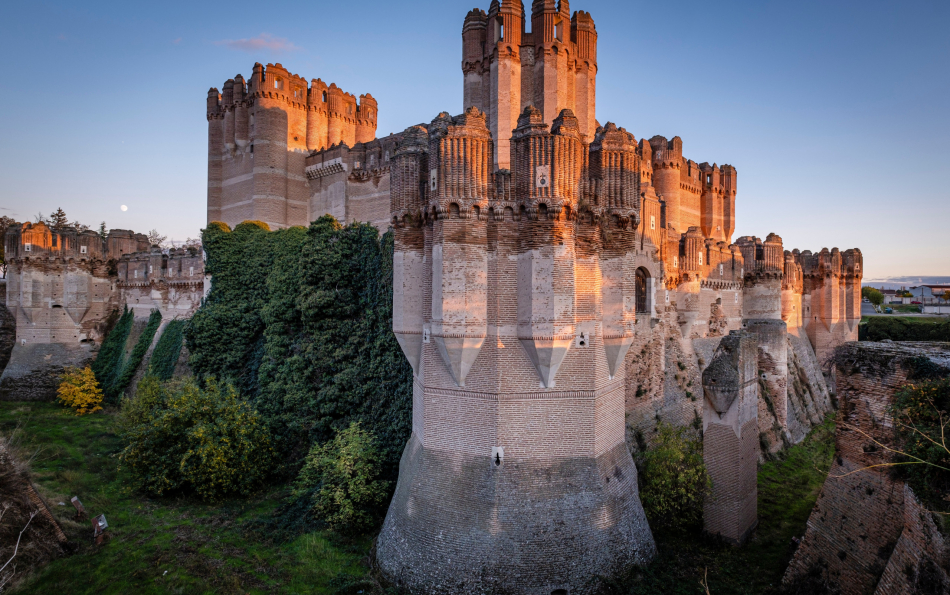
Coca Castle in the province of Segovia is considered one of the best-preserved castles in Spain. Built in the mid-fifteenth century on the orders of the Archbishop of Seville Alonso de Fonseca, with the support of King Juan II of Castile, it stands out among the country's 10,000 castles and defensive structures for its exceptional preservation and the fact that it allows visitors to explore every corner.
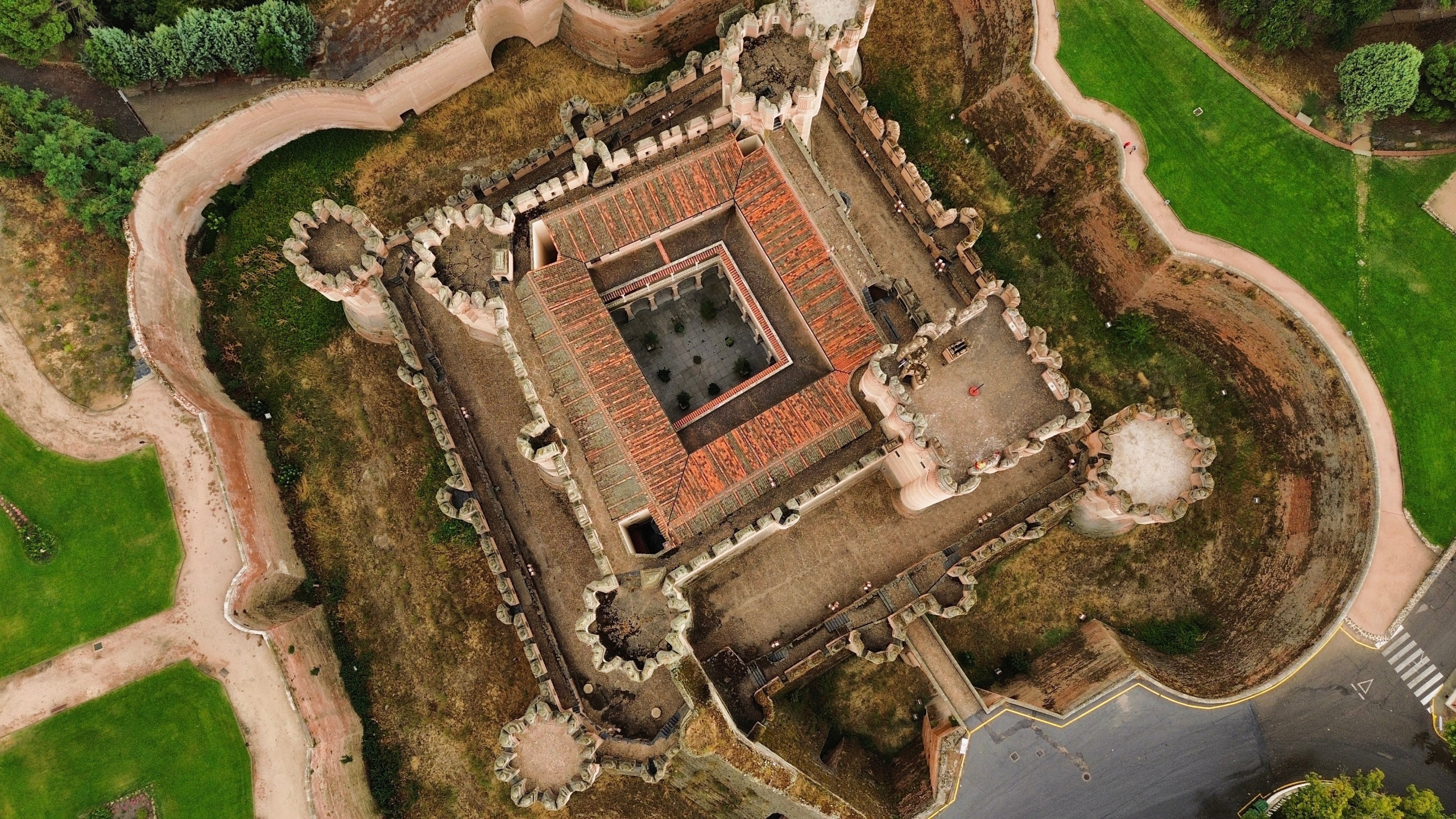
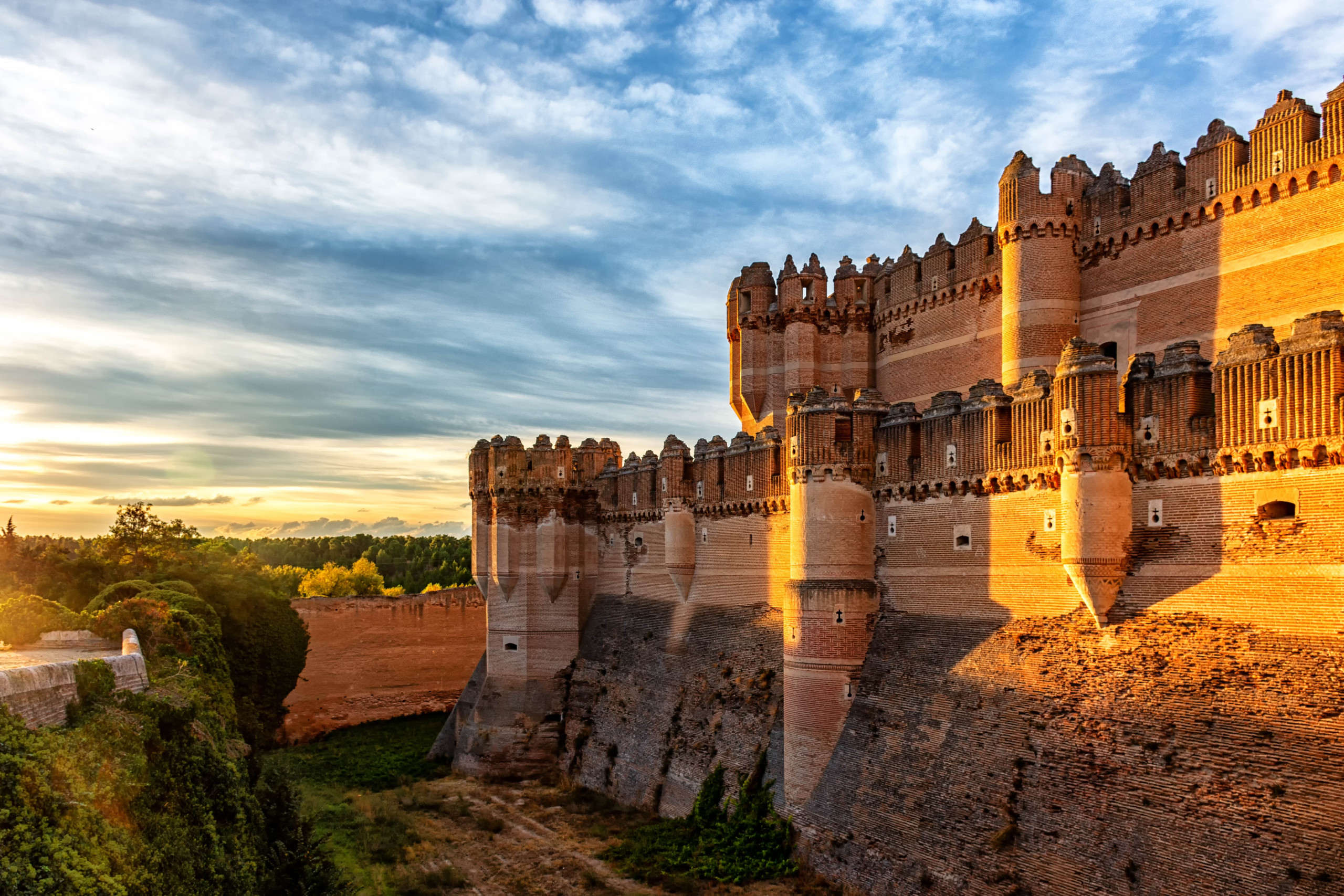
The castle's defining feature is its brickwork — a rarity among Spanish fortresses, which traditionally used stone and dressed blocks. The geometric patterns on the walls, towers, and battlements were crafted by the finest masters of the Mudéjar style of the time and represent an outstanding example of Spanish Mudéjar Gothic architecture. Despite the moat and four lines of defence, the castle was not built for military purposes but as a symbol of the power and prestige of the Fonseca family.
Over the centuries, the castle has served a wide variety of functions: first as a noble residence, later as a prison, a school, and a training centre.
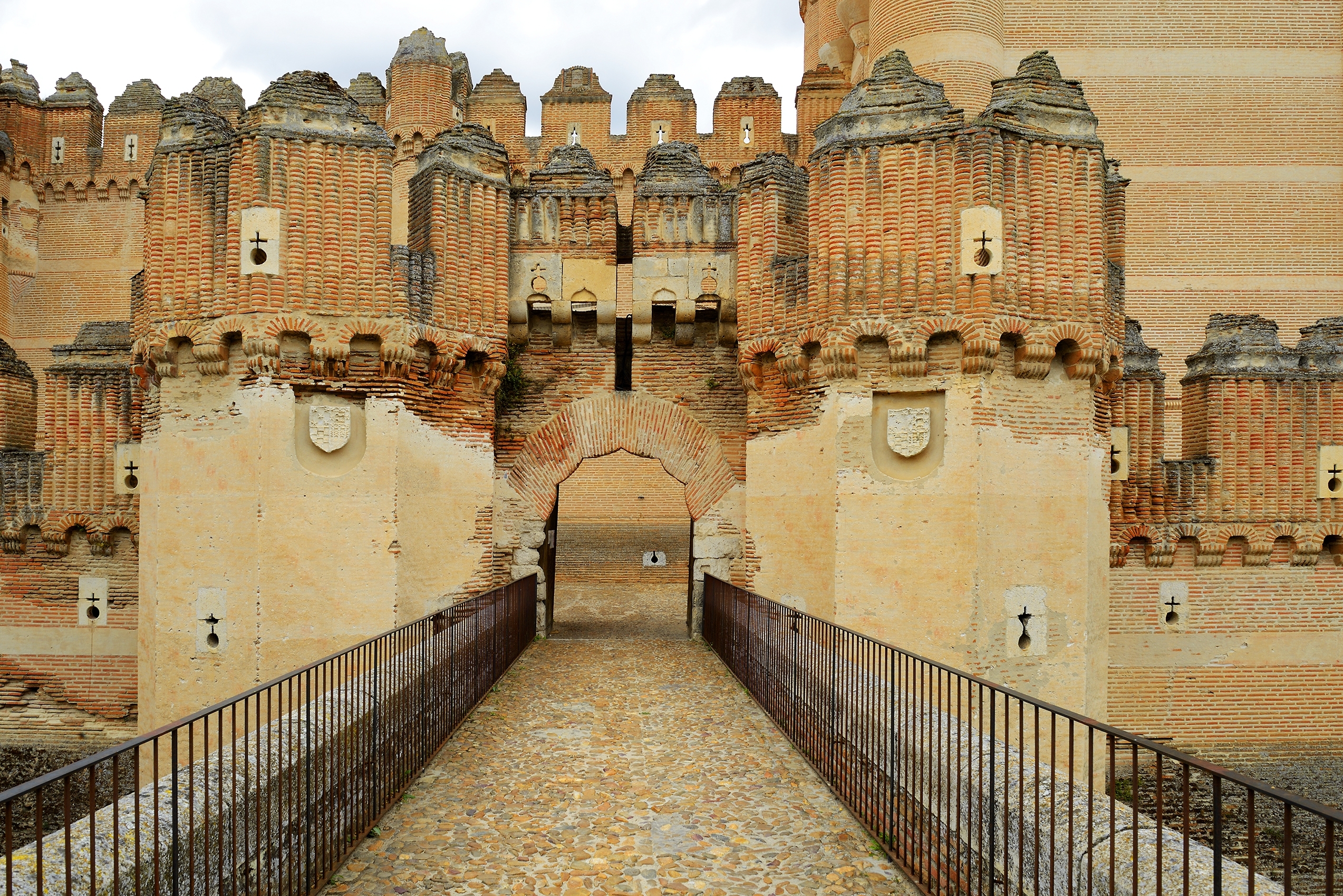
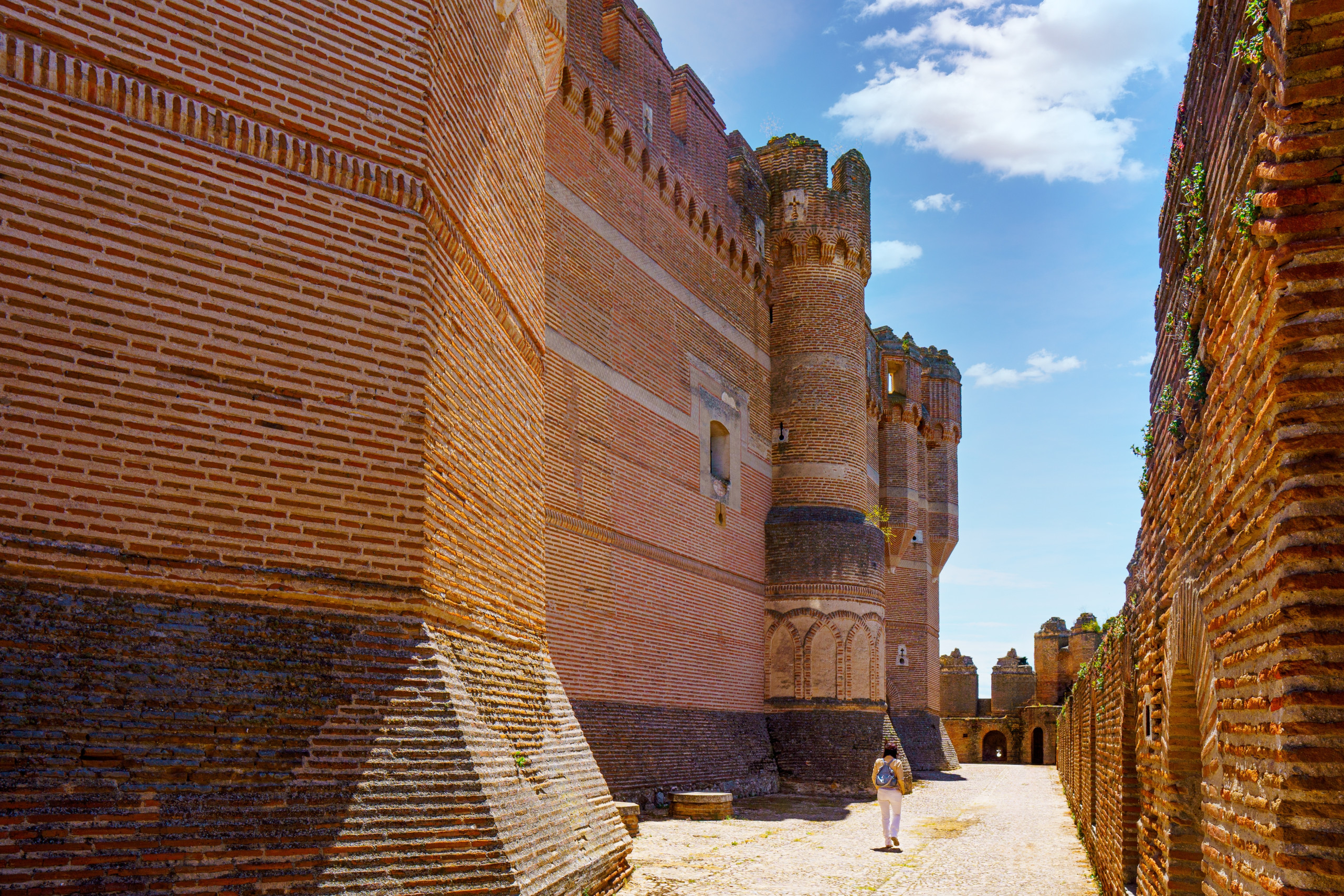
Today the castle is open to visitors. Entry is via a bridge over the dry moat. Inside, you can see a spacious courtyard, frescoed halls, hidden corridors, and the iconic tower, from the top of which there are panoramic views of the surrounding landscape. Guided tours last around an hour. Tickets cost €3 for adults and €2.50 for visitors over 65 and children aged 6–14. The castles of Cuéllar, Turégano, and Iscar are also nearby.
Related Articles
Beyond Paella: Discovering All i Pebre, Valencia’s Best-Kept Culinary Secret
Deep in the heart of the Albufera wetlands, the fishing village of El Palmar preserves a traditional, rich garlic and wild eel stew that tourist traps completely miss
Loading…
Loading…