


Support La Cotorra on Patreon
Access exclusive content, special perks, and closer connection with us.
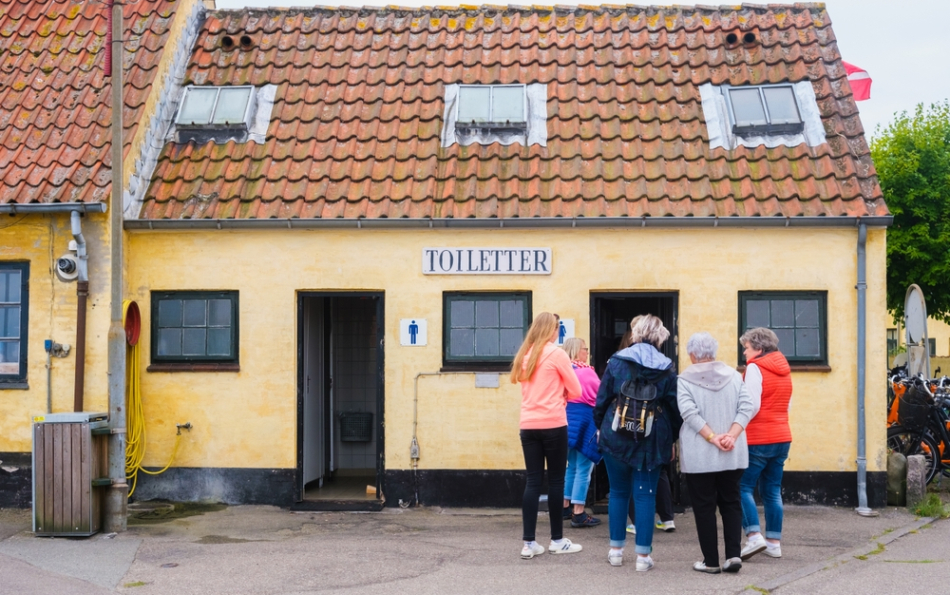
A movement called "Derecho al aseo" ("The Right to a Toilet") is gaining ground in Spain, calling for a rethink of the principles behind public toilet design in order to eliminate the endless queues at women's facilities. The movement was founded by architect and researcher Laura Cambra Rufino, a lecturer at the Polytechnic University of Madrid.
The movement emerged in spring 2026 following a series of viral posts by RTVE on what it called the micromachismo of design (hidden discrimination in design — La Cotorra): men and women are formally allocated equal floor space for toilets, but in practice this creates unequal conditions.
In public spaces, a queue at the women's toilet is a common sight, while the men's facilities are almost always empty. Movement participants describe public toilets as "invisible infrastructure" that directly affects women's right to move freely through the city.
Women spend more time in toilet cubicles on average: they more often accompany small children or elderly relatives. Laura Cambra Rufino cites research data showing that a toilet visit takes men an average of around 117 seconds, and women around 172 seconds. As a result, women spend one and a half to two times as long waiting in queues.
Activists are calling for these factors to be taken into account in toilet design: increasing the number of women's cubicles, designing more spacious facilities for parents with prams, and installing nappy-changing tables in men's toilets as well.
Related Articles
Beyond Paella: Discovering All i Pebre, Valencia’s Best-Kept Culinary Secret
Deep in the heart of the Albufera wetlands, the fishing village of El Palmar preserves a traditional, rich garlic and wild eel stew that tourist traps completely miss
Loading…
Loading…