


Support La Cotorra on Patreon
Access exclusive content, special perks, and closer connection with us.
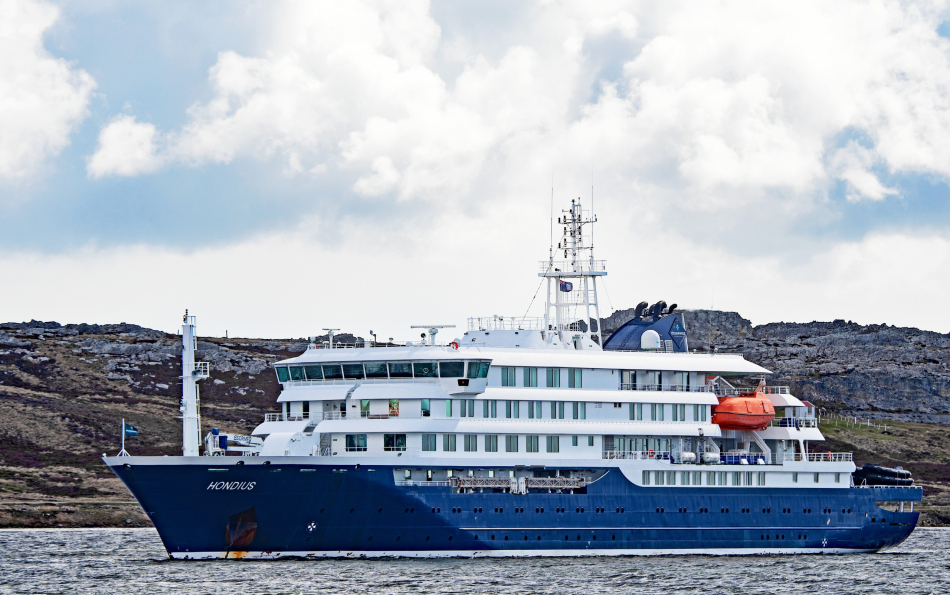
Spain has authorised the cruise ship MV Hondius — on board which there has been a hantavirus outbreak — to dock at the Canary Islands. The agreement was reached between Spain's Ministry of Health, the European Union, and the World Health Organisation (WHO).
"Spain has a moral and legal obligation to assist these people, among whom there are also several Spanish nationals," said the Ministry of Health.
The MV Hondius left Ushuaia, Argentina, on 1 April and is currently moored in the port of Praia, Cape Verde, where it stopped after the outbreak was detected. There are 147 people on board, 14 of them Spanish nationals — 13 passengers and one crew member. Eight cases of infection have been recorded in total. Three people have died, and one is in critical condition.
Laboratory analysis carried out by the Centre for Emerging Viral Diseases at Geneva University Hospitals confirmed the Andes strain — the only variant of hantavirus with documented human-to-human transmission. This is a particular concern, as ordinary strains of hantavirus are transmitted only from rodents to humans.
Three people exhibiting symptoms of the disease will be taken off the ship and transported to the Netherlands by medical aircraft. The European Centre for Disease Prevention and Control (ECDC) is conducting a detailed assessment on board to determine who needs to be urgently evacuated in Cape Verde. The remaining passengers and crew will continue to the Canary Islands — arrival is expected in three to four days.
The Ministry of Health has designated Tenerife's Hospital de La Candelaria as the reference centre for treating those affected. The hospital specialises in infectious and tropical diseases and has a high-isolation unit.
On arrival, everyone on board will be examined, will receive medical care if needed, and will be repatriated to their respective countries. The Ministry of Health has stated that the entire process will take place in dedicated spaces and vehicles "with no contact whatsoever with the local population."
The president of the Canary Islands, Fernando Clavijo, has spoken out against the central government's decision to accept the ship. According to him, there is currently insufficient information to be confident in safeguarding the local population. Clavijo claims that Health Minister Mónica García had previously assured him the ship would not be directed to the Canary Islands. He has condemned the "change of criteria" carried out behind the regional government's back and demanded a personal meeting with Prime Minister Pedro Sánchez.
Viruses mutate. COVID-19 began in one way, and then the transmission vectors changed. If human-to-human transmission is unlikely, why are there seven infected people on a single ship?" Clavijo added.
The president of the Canary Islands later reported that he had exchanged messages with Sánchez, who promised to call him back "when he has a free moment."
Sánchez has convened an emergency meeting with the ministers of health, the interior, and transport.
Hantavirus causes severe haemorrhagic fevers. The virus attacks the vascular system, triggers intense systemic toxicity, and can cause haemorrhaging. The disease progresses rapidly and, in most cases, affects the lungs or the kidneys.
Related Articles
Beyond Paella: Discovering All i Pebre, Valencia’s Best-Kept Culinary Secret
Deep in the heart of the Albufera wetlands, the fishing village of El Palmar preserves a traditional, rich garlic and wild eel stew that tourist traps completely miss
Loading…
Loading…