







Support La Cotorra on Patreon
Access exclusive content, special perks, and closer connection with us.
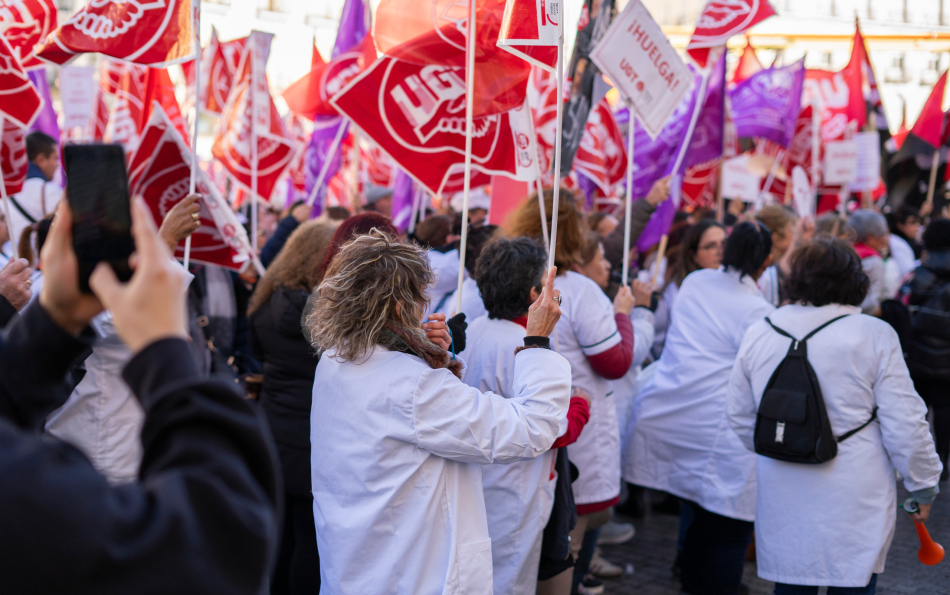
Spain's Council of Ministers has approved a draft reform of the Estatuto Marco (Framework Statute) — the main document governing the working conditions of medical staff in the public health system. The rules have not been revised for more than 20 years. Doctors' unions have come out against the document and confirmed a nationwide strike.
What is changing
The reform sets a maximum of 45 working hours per week, below the European limit of 48 hours. The maximum duration of a shift is capped at 17 hours of effective work. A minimum daily break of 12 hours will be established between shifts. In addition, staff are granted a minimum of 24 hours of continuous rest per week, along with a 12-hour daily rest break.
The document also provides flexible working hours for parents of children under 12 and employees with dependent relatives, as well as exemptions from night shifts for those over 55, pregnant women, and breastfeeding mothers.
A new category of worker is being created — staff research scientists, who will conduct healthcare research and devote at least 50% of their working time to scientific activity.
Regional health systems are given five years to adapt to the new rules.
Why doctors are opposed
More than 177,000 doctors have been expressing their disagreement with the reform since January and holding weekly strikes. Medics believe the document entrenches discriminatory working conditions for doctors compared with other medical staff, since doctors can still be assigned workloads of more than 35 hours a week, and the "service needs" clause allows working weeks of 70–90 hours to continue.
A particular sticking point is on-call shifts. Despite the declared limit of 17 hours, Article 96 provides an exception: with the employee's consent, a shift may be extended to 24 hours for hard-to-fill posts, weekends, and public holidays. In the unions' view, this effectively permanently entrenches 24-hour shifts.
The Madrid union Amyts called the Council of Ministers' approval of the Framework Statute "bad news" and "a shot in the foot for the government." The Spanish Medical Association (OMC) regrets the approval of the document without consensus. "For several months, the medical community has repeatedly submitted proposals aimed at improving the quality of medical care through adequate working conditions," the organisation commented.
What happens next
The strike committee, made up of CESM and regional doctors' unions, has confirmed a nationwide week of strikes from 15 to 19 June, as well as an indefinite refusal of voluntary overtime shifts in at least seven autonomous communities.
On Friday, the Ministry of Health will present the document to the Interterritorial Council of the National Health System (CISNS). The doctors' key demands will be put to a vote — a 35-hour working week, a limit on shifts, and the creation of special negotiating committees.
Government approval is not enough for the law to be adopted. The document will now go through a stage of public consultation, during which organisations and citizens will be able to express their views. It will then be submitted to the Cortes Generales for parliamentary consideration.
Adoption of the Framework Statute in Congress may also prove difficult. In March 2025, deputies received more than 100,000 signatures against the reform, and the People's Party has consistently rejected it.
Related Articles
Valencia Unveils Free Nature Guide Featuring 69 Stunning Water Routes
From free open-air screens at major town squares to indoor mega-venues like the Roig Arena and Movistar Arena, here is the complete guide to catching Sunday's historic final live
Loading…
Loading…