

Support La Cotorra on Patreon
Access exclusive content, special perks, and closer connection with us.
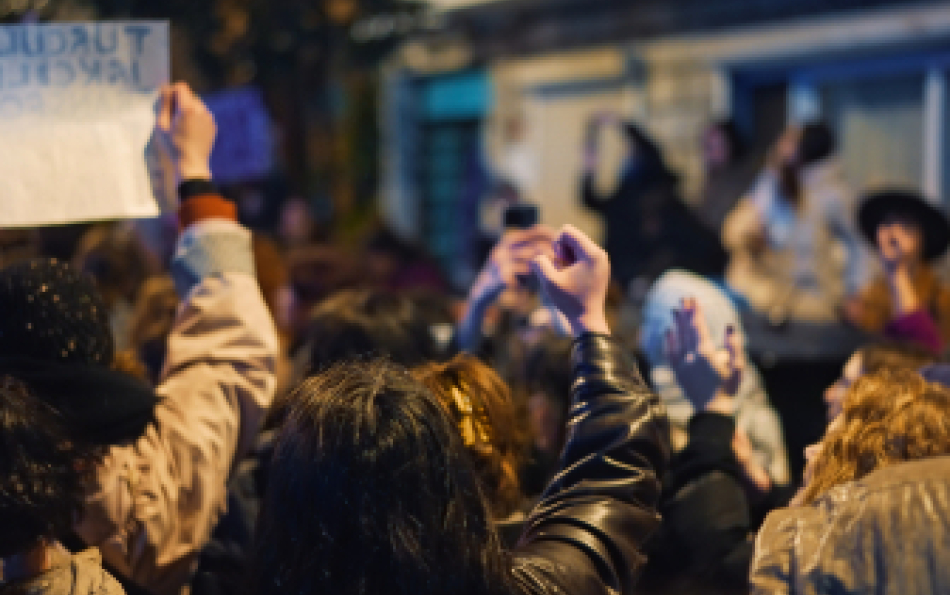
Over the past year, 14% of Spaniards have stopped communicating with friends or relatives due to political disagreements, according to a report by the organization More in Common on social division in Spain.
The findings are based on 2,500 interviews with voting-age Spaniards. Around 60% of respondents said they try to avoid discussing politics altogether in order to prevent arguments, while 15% reported leaving WhatsApp groups because they were tired of constant political disputes.
The study shows that Spanish society is increasingly split into two large camps — supporters of right-wing and left-wing parties. Experts interviewed by El País describe this divide, which increasingly spills over into personal relationships, as affective polarization — a form of political polarization driven by emotions and hostility toward those with opposing views.
According to the report, one in four Spaniards said they had experienced “attacks” or “harsh criticism” over the past year for expressing their political views in public. Immigration emerged as the most divisive topic, while healthcare and education generated the least tension.
At the same time, the report notes moments of national unity. Following the devastating DANA floods, Spain recorded its lowest level of perceived polarization, suggesting that collective crises can temporarily bring society together.
Despite deep divisions, there are signs of resilience. 68% of respondents said they were able to calmly discuss politics with people holding different views, and six in ten Spaniards believe it is still possible to overcome disagreements and restore social cohesion.
Related Articles
Beyond Paella: Discovering All i Pebre, Valencia’s Best-Kept Culinary Secret
Deep in the heart of the Albufera wetlands, the fishing village of El Palmar preserves a traditional, rich garlic and wild eel stew that tourist traps completely miss
Loading…
Loading…