


Support La Cotorra on Patreon
Access exclusive content, special perks, and closer connection with us.
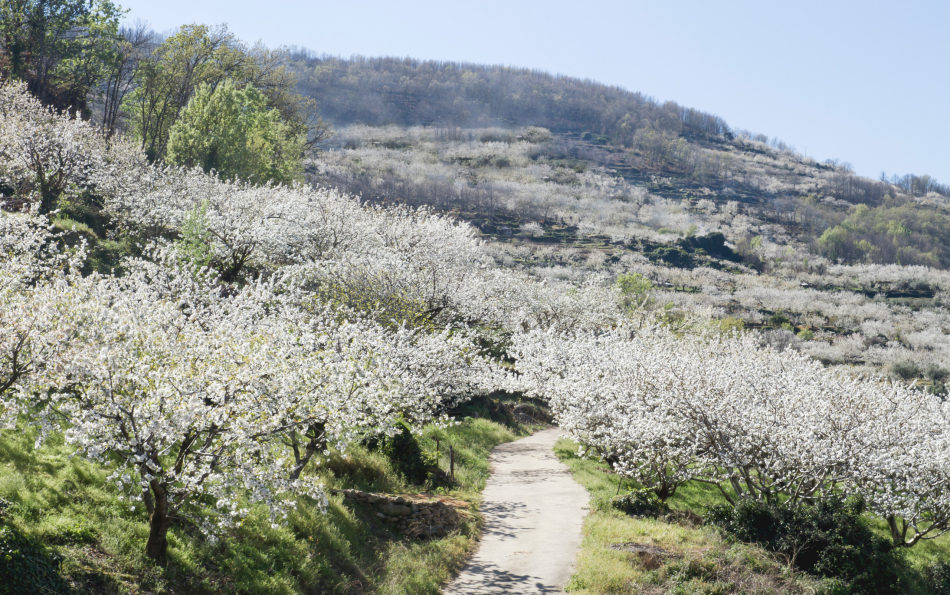
Every spring in the Jerte Valley, millions of cherry trees bloom simultaneously, creating one of Spain's most spectacular natural landscapes. The flowering season, known as Cerezo en Flor and recognised as a Festival of National Tourist Interest, continues until May 3 in 2026.
This period is not just a natural phenomenon, but a full-fledged cultural event in the Extremadura region. For several weeks, the valley hosts hiking trails, bike rides, concerts, exhibitions, and gastronomic festivals that allow visitors to get to know the traditions of the region. Tourists are shown ancient wineries, forges, and farm buildings. The full program can be found at this link.
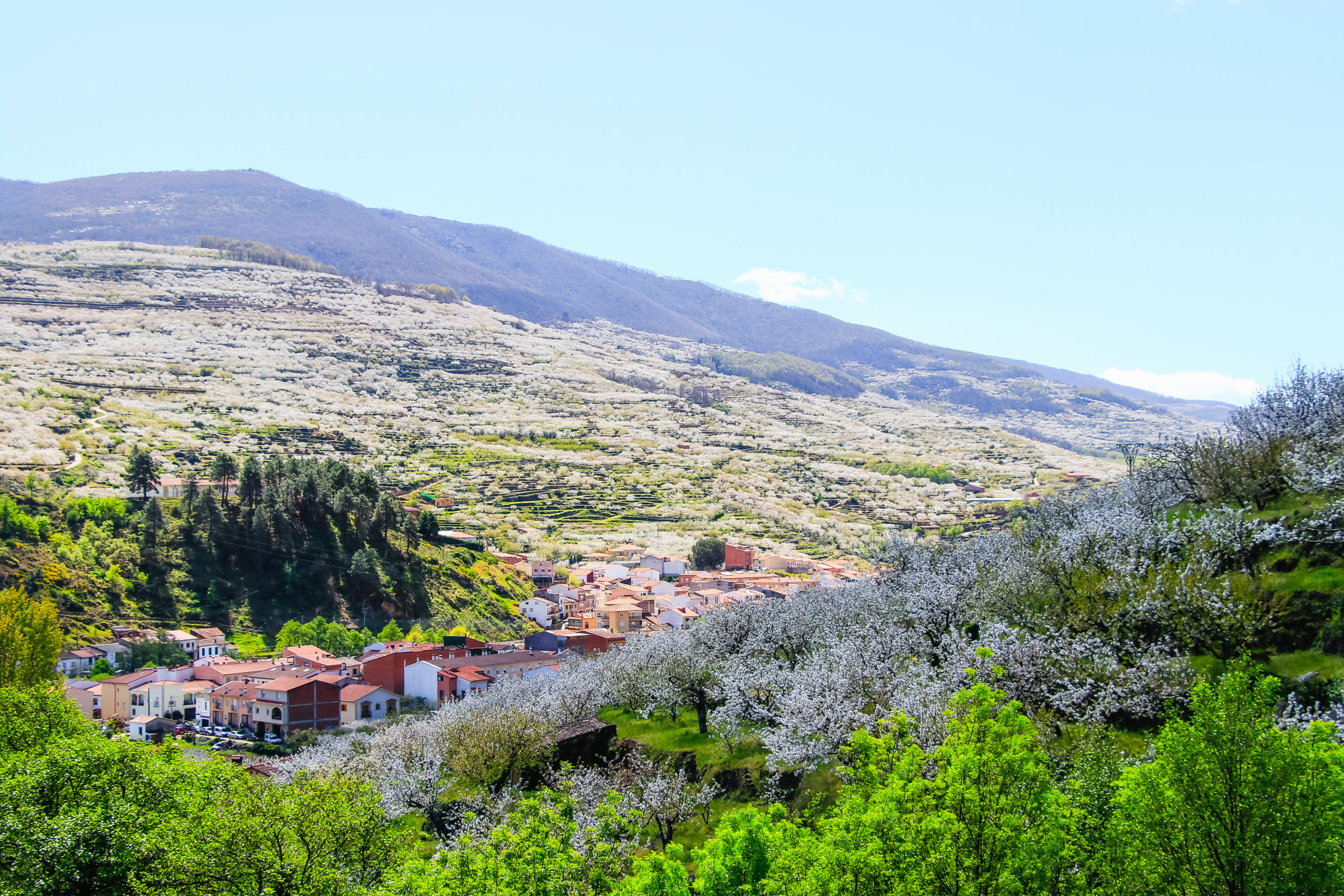
The festival is divided into three stages:
— until March 26, the "Awakening of the Valley" occurs, when the first flowers appear;
— from March 27 to April 12, the cherry blossom duration sees the entire valley turn into a white blanket;
— from April 13 to May 3, the petals fall.
It is important to note that the flowering does not happen all at once. First, the trees at lower altitudes bloom, followed by other areas as the days pass. The buds on trees in mountainous terrain are the last to open. Therefore, travellers are recommended to move between different villages. At this link, you can find two driving routes with the main points to view the blooming valley.
The Jerte Valley is located in the northeast of the province of Cáceres, between the Sierra de Gredos mountains and the city of Plasencia. The main points to visit are the villages of Jerte, Tornavacas, Cabezuela del Valle, and Piornal.
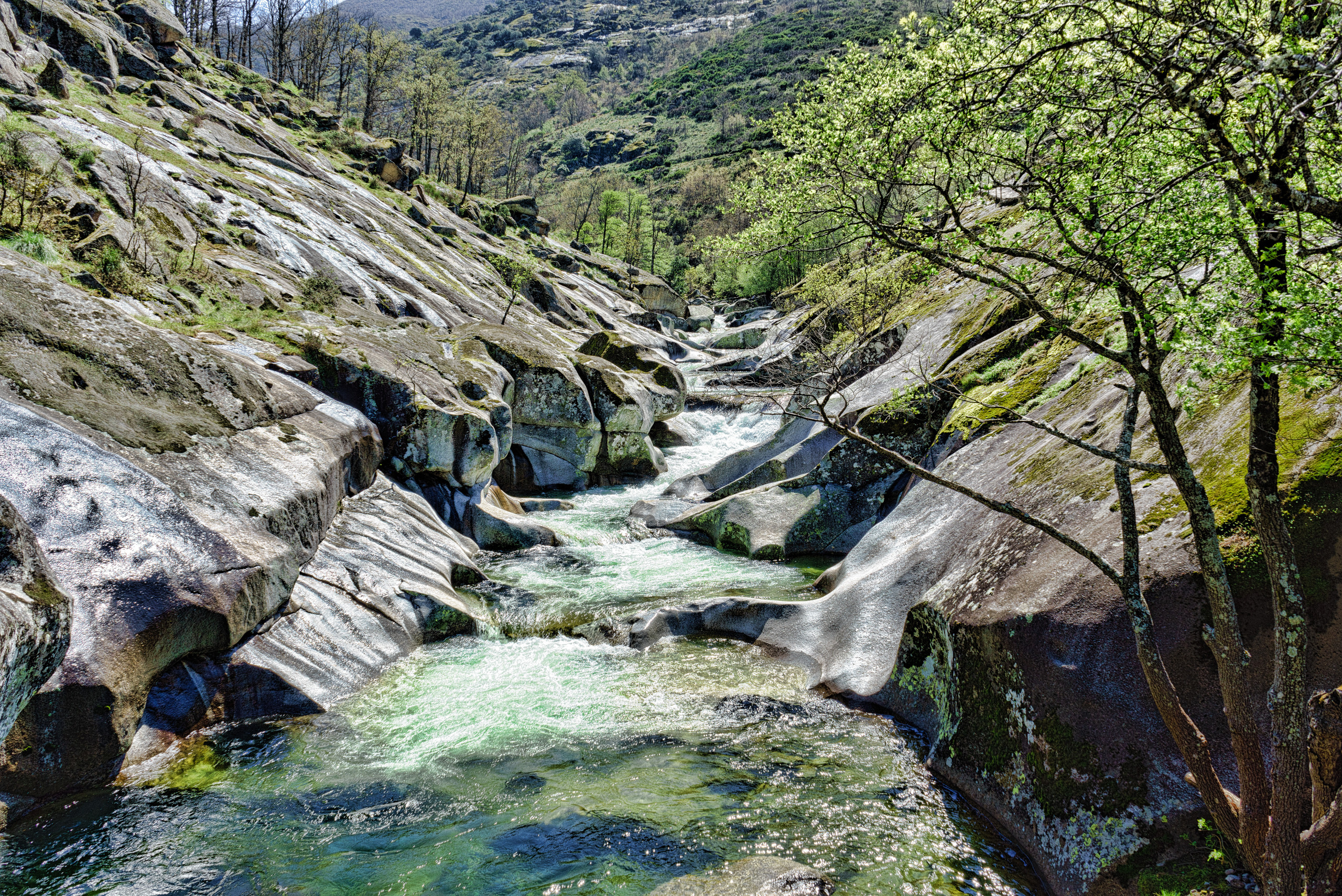
One of the region's top natural sites is the Garganta de los Infiernos Nature Reserve, which is particularly picturesque in spring when the waterfalls fill with meltwater from the mountains. It is also recommended to visit the famous natural pools of Los Pilones.
For those who want to see the valley from above, panoramic routes 30–50 km long through mountain villages and viewpoints are popular. They allow you to appreciate the scale of the blossom.
By bus:
— Plasencia — Valle del Jerte — Madrid line (via Barco de Ávila), operated by C.E.V.E.S.A (departure from Estación Sur in Madrid);
— Plasencia — Madrid line (via Navalmoral de la Mata), operated by S.A. Mirat y Autores;
— Plasencia – Valle del Jerte line with stops in Navaconcejo, Cabezuela del Valle, Jerte, and Tornavacas; it also stops at the intersection of N-110 with Casas del Castañar, El Torno, Valdastillas, and Rebollar.
You can also arrive by train via the Madrid Chamartín — Cáceres — Badajoz line with stops in Plasencia, Cáceres, Mérida, and Badajoz.
Related Articles
Beyond Paella: Discovering All i Pebre, Valencia’s Best-Kept Culinary Secret
Deep in the heart of the Albufera wetlands, the fishing village of El Palmar preserves a traditional, rich garlic and wild eel stew that tourist traps completely miss
Loading…
Loading…