


Support La Cotorra on Patreon
Access exclusive content, special perks, and closer connection with us.
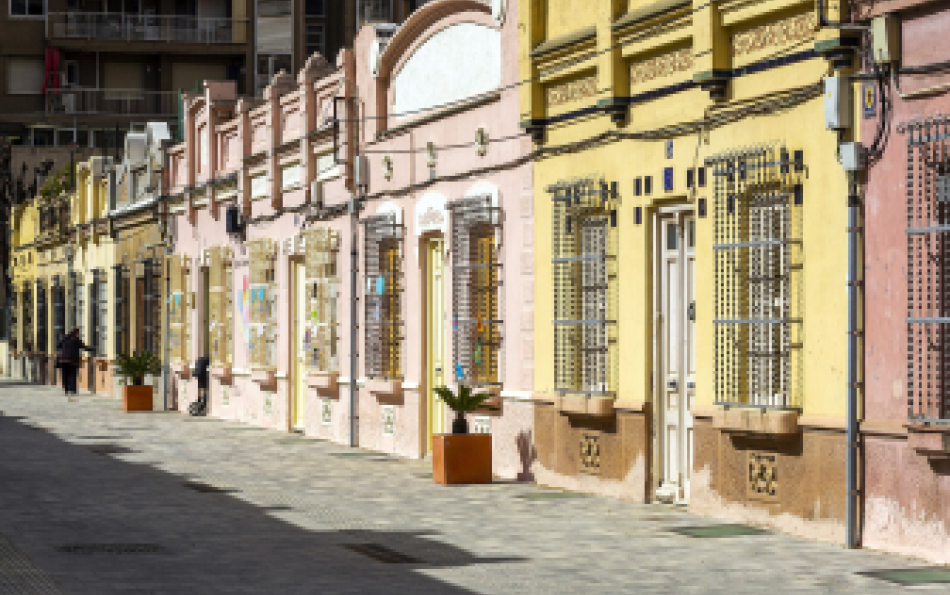
Hidden away from Barcelona’s usual tourist routes, there is a little-known pedestrian street that feels closer in spirit to the old neighborhoods of Havana than to a typical Spanish cityscape. Passatge d’Antoni Gassol is a small but distinctive enclave of colorful houses tucked between the districts of El Clot and Sant Martí de Provençals.
The quarter’s main feature is a row of around 20 brightly painted houses. Their façades reference traditional Catalan farm architecture as well as the industrial aesthetic of the 18th and 19th centuries, creating the impression that time has stood still here.
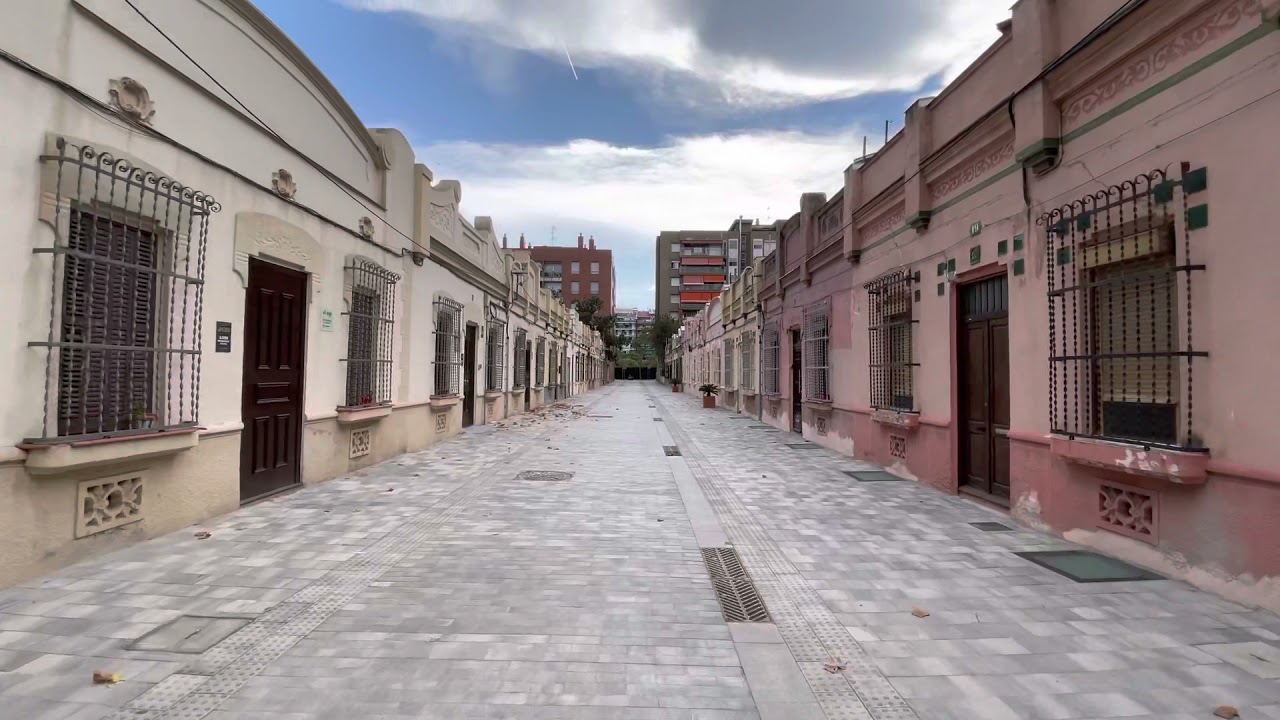
The residential complex was originally built between 1911 and 1929 by architect Manuel Puig Janer. It was designed as housing for factory workers employed by entrepreneur Antoni Gassol i Civita. Today, Passatge d’Antoni Gassol is regarded as one of the few surviving examples of early 20th-century workers’ housing integrated into Barcelona’s urban fabric.
For decades, the street remained largely unknown to the wider public. That changed after a major restoration project completed in 2021, which upgraded infrastructure and lighting while carefully preserving the historical appearance of the buildings. Following the renovation, the area became fully pedestrianized and was granted protected heritage status.
Today, Passatge d’Antoni Gassol is seen as a quiet urban oasis and a glimpse of an “alternative Barcelona” — not the tourist city, but an authentic one. Experts note that its value lies not only in its visual charm, but also in its ability to preserve the everyday memory of working-class life in the early 20th century.
Related Articles
Beyond Paella: Discovering All i Pebre, Valencia’s Best-Kept Culinary Secret
Deep in the heart of the Albufera wetlands, the fishing village of El Palmar preserves a traditional, rich garlic and wild eel stew that tourist traps completely miss
Loading…
Loading…