



Support La Cotorra on Patreon
Access exclusive content, special perks, and closer connection with us.
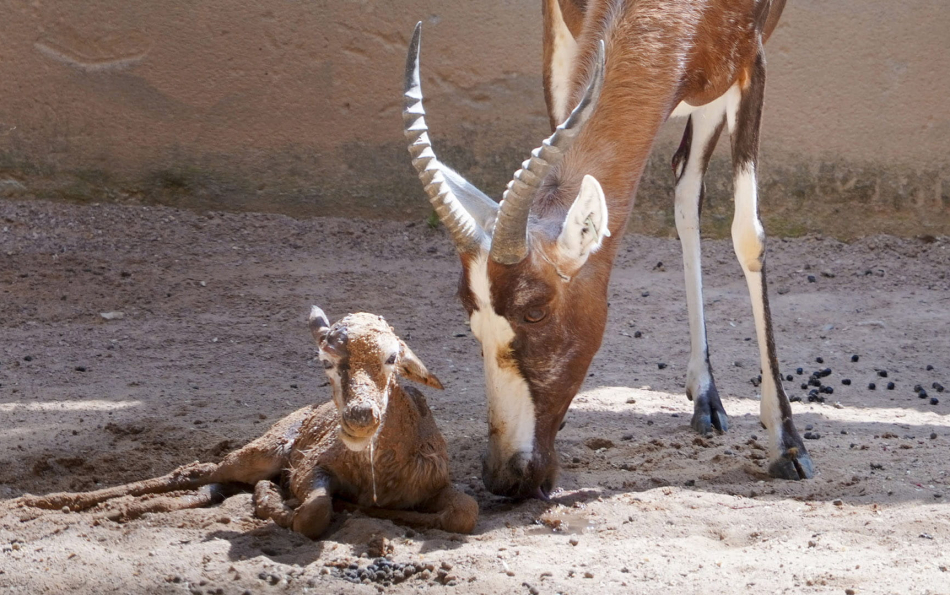
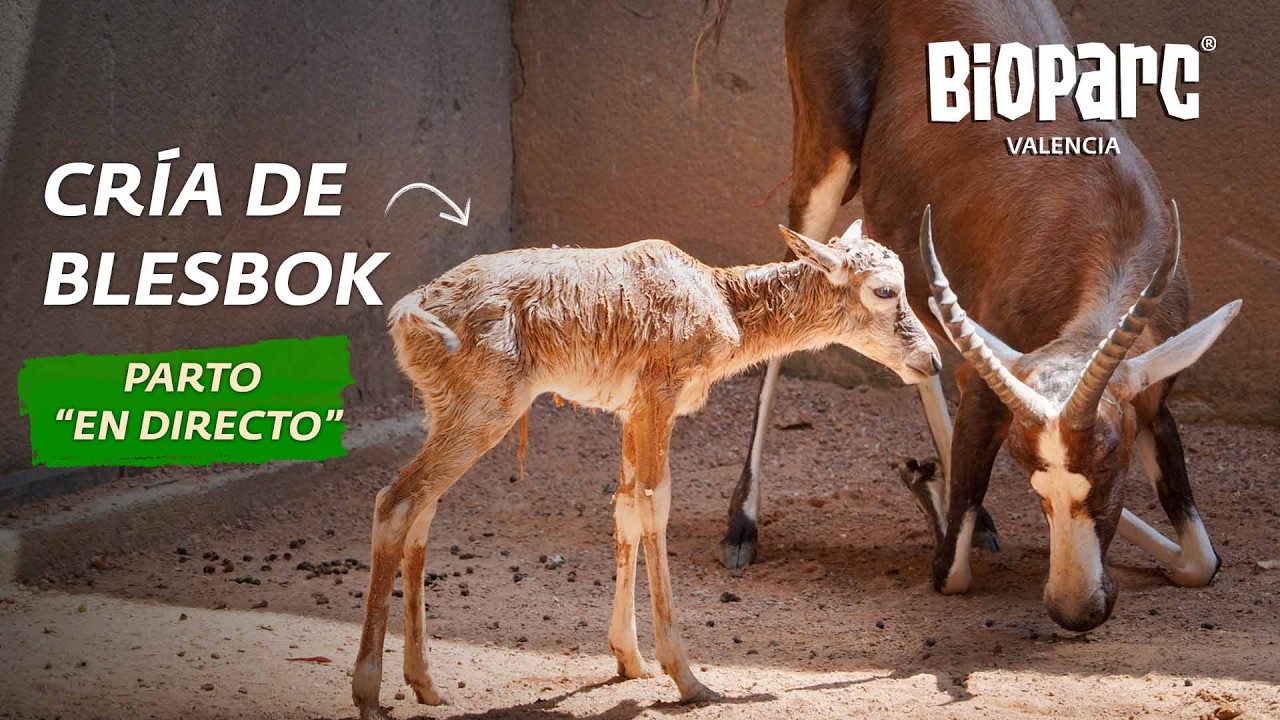
Bioparc Valencia has gained a new resident — a baby blesbok, a subspecies of African antelope. The male calf was born without complications. Shortly after birth, it took its first steps under its mother's watchful eye.
The newborn is easy to tell apart from the adults by its light cream colouring — in adult blesboks, it is dark brown with a characteristic white stripe on the face. In a certain light, the coat takes on a rare violet hue.
The calf will live in a multi-species enclosure recreating the African savannah, home to giraffes, impalas, waterbucks, Thomson's gazelles, ostriches, marabou storks, and sacred ibises. Bioparc currently houses the largest group of blesboks in Spain — three males and six females.
In the nineteenth century, the blesbok was driven to the brink of extinction by hunting for its meat, hides, and trophies. The population was also affected by the agricultural development of the savannahs. The subspecies nearly repeated the fate of the quagga, an extinct subspecies of zebra from the same region.
However, several landowners took the animals under their protection, which led to one of the most successful conservation programmes for a large African mammal. In the twentieth century, the blesbok was reintroduced into numerous nature reserves in South Africa. Today, the population numbers between 55,000 and 70,000 individuals.
"The birth of the blesbok has once again demonstrated nature's extraordinary capacity to find a way and to inspire," representatives of Bioparc Valencia stated.
Related Articles
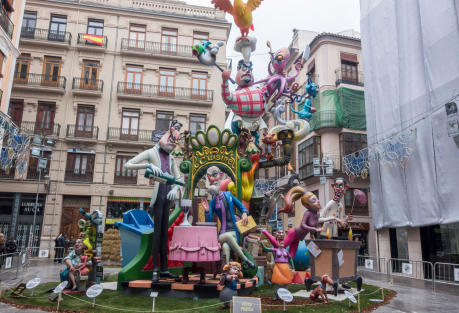
Valencia Approves €340K Las Fallas Funding for 2027–2029 but Rejects 3-Day Ofrenda Proposal
Prizes for Fallas committees will see a major boost, while the iconic flower offering stays locked into its traditional two-day schedule on March 17–18
Loading…
Loading…