7 Day Trips from Valencia You Can Do Without an Overnight Stay
Share:
Photo: shutterstock.com
Valencia is fascinating and multifaceted, but it doesn't keep visitors confined to the city — the region is rich in natural attractions, cultural and historical landmarks, and its villages are steeped in the spirit of old Spain that travellers love and seek out. La Cotorra has put together a selection of interesting destinations that can be visited without an overnight stay.
By public transport: suburban train C-2 from Valencia, journey time — 1 hour 10 minutes. Trains run every 20 minutes.
What to try: baked rice al horno, for example, at Casa la Abuela (Carrer de la Reina, 17).
What to visit: Xàtiva Castle (Castell de Xàtiva), entry — €6, a map is included with the ticket, children under eight enter free.
Photo: shutterstock.com
This charming ancient "city of a thousand fountains" is known among Spaniards above all as the birthplace of the noble Borja (Borgia) family, which gave the world two Renaissance popes — Calixtus III and Alexander VI — one Catholic saint, and numerous high-ranking civil and church figures.
At the tourist office, you can pick up the Borja Route (La Ruta de los Borja), which includes, among other things, visits to the Church of Saint Francis, the Royal Monastery of Santa Clara, and the Museum of Fine Arts, as well as a stroll along Calle Moncada. It's best to go with a guide who can help you decipher the coats of arms of the Spanish nobility and the eclectic mix of architectural styles in the Old Town. In October and November, the Borja Fair (Fira Borja Xàtiva) takes place here, with theatrical performances during those dates.
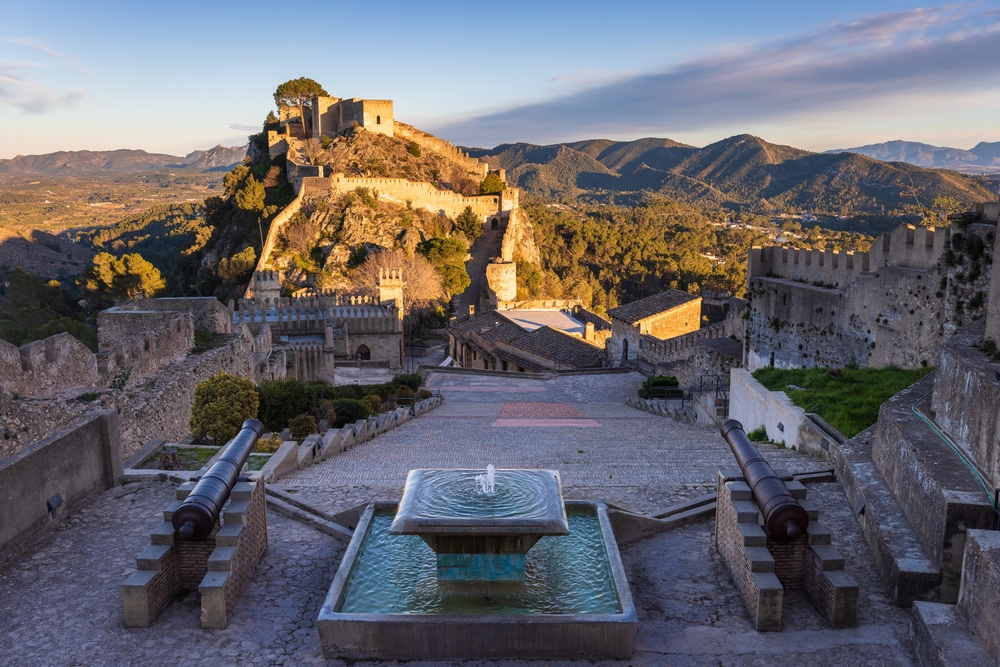
Most visitors come to Xàtiva to see the magnificent Valencian Gothic fortress, a complex of two castles with stunning views over the city. The Large (Upper) Castle is almost entirely in ruins. During the Kingdom of Aragon, it served as a prison whose inmates included much of the Spanish nobility and even a brother of Saint Francis de Borja. You can walk up to the fortress — just over a kilometre — or take the tourist train (€4 one way). Allow 2–4 hours to explore. There is a small free car park at the entrance, as well as a panoramic restaurant.
If time allows, visit the nearby Cova Negra nature reserve (Paraje Natural de la Cova Negra, about eight kilometres from Xàtiva) and the town of Anna (about 17 kilometres away), known for its fountains, waterfalls, and small lake.
2
Vía Xurra Greenway
Route length: 16 kilometres one way.
Starting point: Rafelbunyol or Museros.
Photo: shutterstock.com
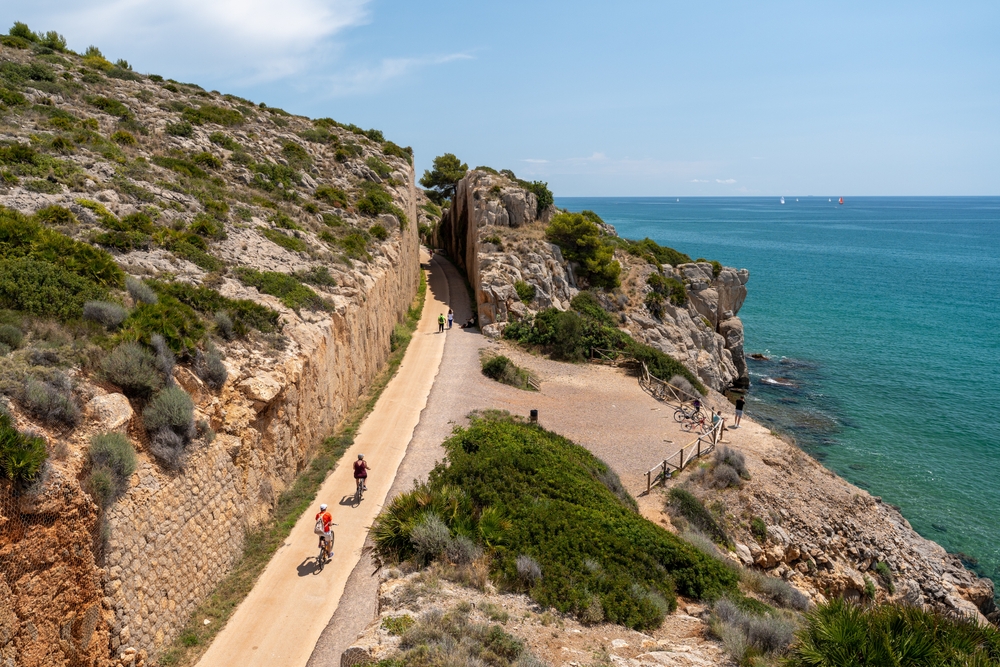
This comfortable walking and cycling route runs through the orange groves and fields of the Valencian Huerta (Huerta de Valencia). Vía Xurra is the most popular of the so-called "green ways" (vías verdes) — routes built along former dismantled railway lines. A GPS navigator is recommended.
The route passes through nine settlements, connecting Valencia with the town of Puzol. Flat agricultural Spain in all its glory — irrigation channels, farmhouses, abandoned shacks, long rows of onions, olive groves, and the scent of earth and almond blossom.
Along the way, you can sample local food: drink cold horchata in Alboraya, order esgarrat (sweet red pepper with salt cod) or a vegetable salad. From Puzol, you can return to Valencia by train or bus.
3
Chulilla Suspension Bridges and the Turia River Canyon (La Ruta de los Pantaneros)
By car: 63 kilometres via CV-35.
Route length: 9 kilometres, allow 3–4 hours. Weekdays or early mornings are best.
What to try: local stew La Olla Chilena, salt cod and egg dish El rin-ran, and salt cod and potato purée ajoarriero.
Photo: shutterstock.com
A simple circular route, ideal for families, starts in the village of Chulilla and follows the Turia river canyon past viewpoints, two wooden suspension bridges, and the Loriguilla reservoir.
Chulilla is lovely in its own right — tiny, with whitewashed houses, sheltered by cliffs and hills. You can have a hearty breakfast here, climb Calle Abadía to the Roman-Arab fortress — free entry — and take in the panoramic views. The path to the bridges usually begins at Plaza de la Baronía, from where you follow the CV-394 road to the first signposts. At the start of the route are two viewpoints: Compuertas (Mirador de Compuertas) and La Carrucha (Mirador de Carrucha). The suspension bridges, at heights of 15 and 5.5 metres, are a little further along.
In summer, you can swim in the Blue Pool (Charco Azul), located 30 minutes from Chulilla along the marked trail SL-CV 74.
4
The Cave Town of Bocairent
By car: 95 kilometres.
What to try: any rice dish.
Photo: shutterstock.com
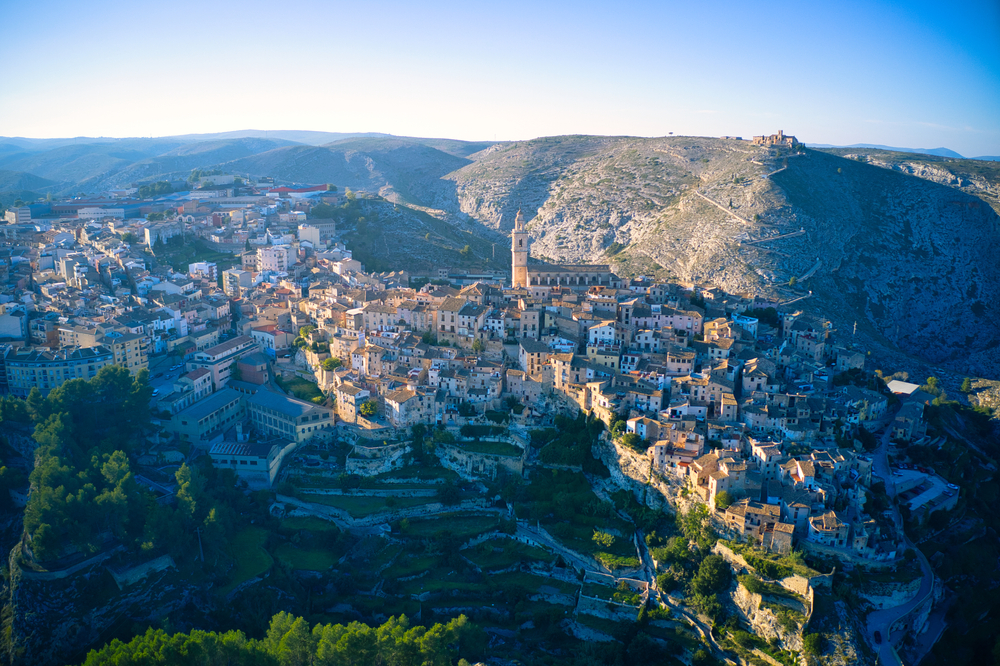
Bocairent is among the most beautiful villages in the Valencian Community and sits within the Sierra de Mariola Natural Park on top of a hill. It was founded by the Arabs and was then called Bekirén, meaning "beehive." In the mid-thirteenth century, the town left the Caliphate of Dénia and came under the Crown of Aragon.
Visitors come to see the cave windows known as Covetes del Colomer and to walk the "Magic Trail" (La Ruta Mágica), a 2.5-kilometre path that leads up to the secluded sixteenth-century Chapel of the Holy Christ (Ermita del Santo Cristo) and passes by the Consumer and Gomar caves. There are many caves in the town, including the 20-metre Cava Sant Blai, where snow and ice were once stored for sale.
The best thing a visitor can do on arrival is leave the car near the Mirador del Cementerio viewpoint and admire the houses hanging over the ravine, the seventeenth- and eighteenth-century mansions, and the harmonious overall character of the town. The local bullring is the oldest in Spain. The town also retains abandoned textile factory workshops — from the fourteenth to the nineteenth century, Bocairent was a thriving centre of textile production.
Legend has it that the Coves del Colomer caves, carved into the rock, date back to Berber times and were used as grain stores. In the sixteenth century, they were enlarged and became stables; during the Civil War, they served as a shelter. Entry now costs €2.50, with tickets available on the website. On weekends and public holidays, sales begin at 10:30 AM, and tickets go quickly. The cave entrances and exits are narrow vertical passages with ladders (children under 12 are not admitted), so a reasonable level of physical fitness is required.
Near Bocairent, ten minutes away by car, are the natural pools of Pou Clar (Las pozas de Pou Clar), with cool turquoise water — a perfect stop for a refreshing dip after a walk on a hot summer day.
5
Montanejos Thermal Baths (Baños de Montanejos)
By car: 90 kilometres.
Entry: €4.50. Animals are not permitted.
When: year-round, but very busy in July and August.
Photo: shutterstock.com
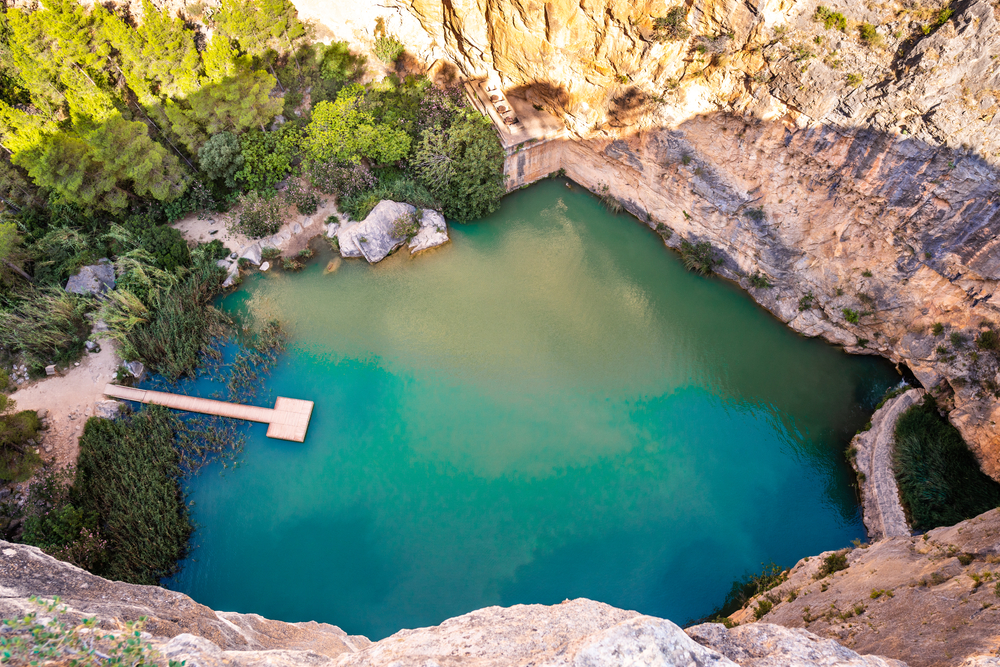
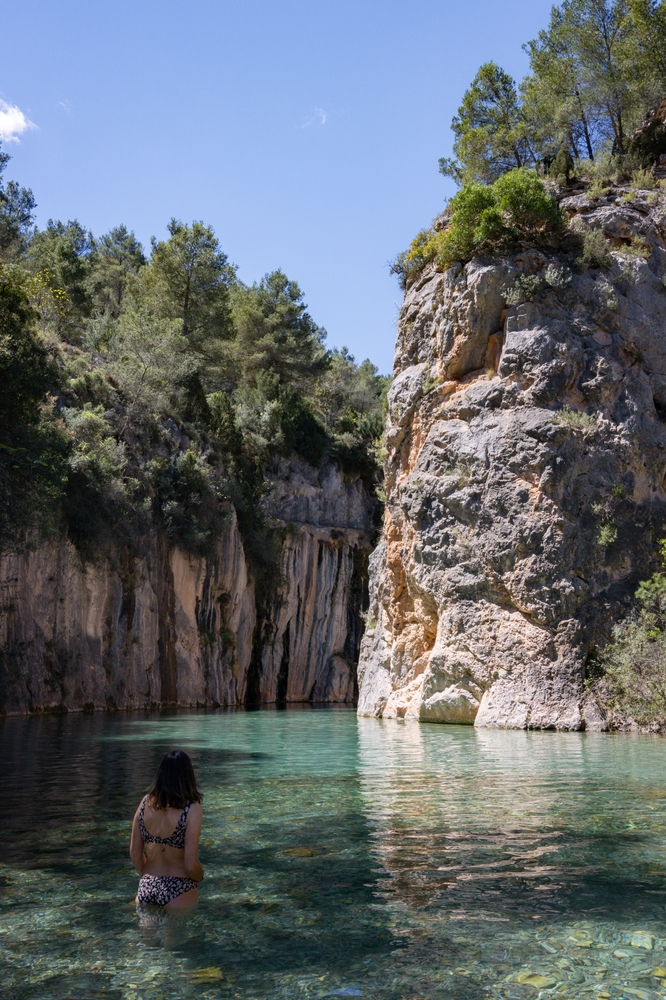
The Fuente de los Baños spring, where mineral water flows year-round at 25°C, is located one kilometre from the town of Montanejos. The natural pool is surrounded by 15-metre rocky cliffs.
Aware of the water's healing properties, the Moorish ruler of Valencia, a Zayyan Abu Za, yd had baths built here in the thirteenth century for his wives, for rejuvenation and the preservation of beauty. A royal decree of 1863 made the springs open to the public. Near the car park, there is a sign describing the water's mineral composition, and the water itself can be drawn from a spring beside the pool.
The thermal experience can be continued in Montanejos itself, at the Balneario de Montanejos spa complex (Carr. de Tales, 32), which uses therapeutic water from Fuente de los Baños.
Following the Mijares River upstream, you can reach the famous Black Cave (La Cueva Negra). The black colouring of its ceilings is soot from fires, evidence that settlements existed here in ancient times.
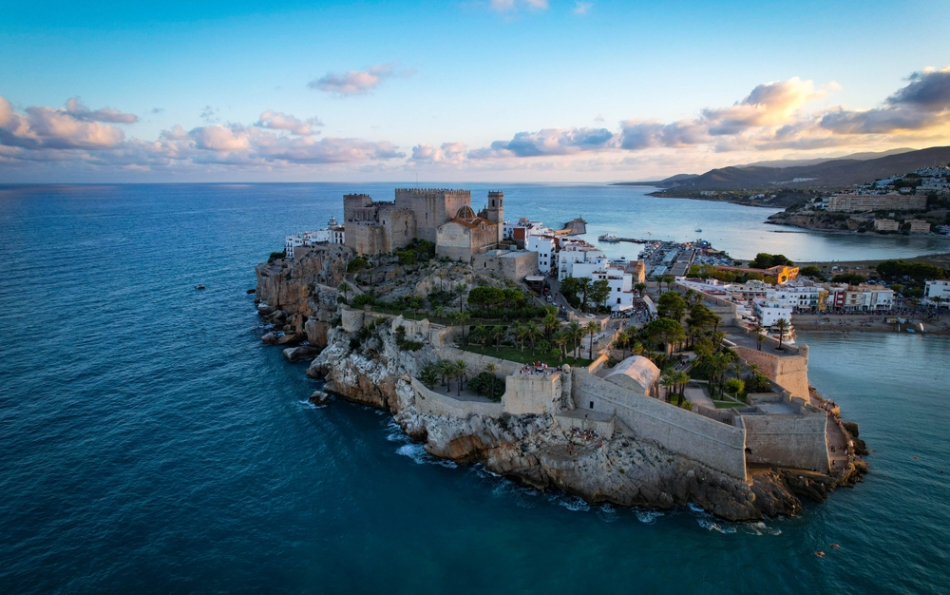
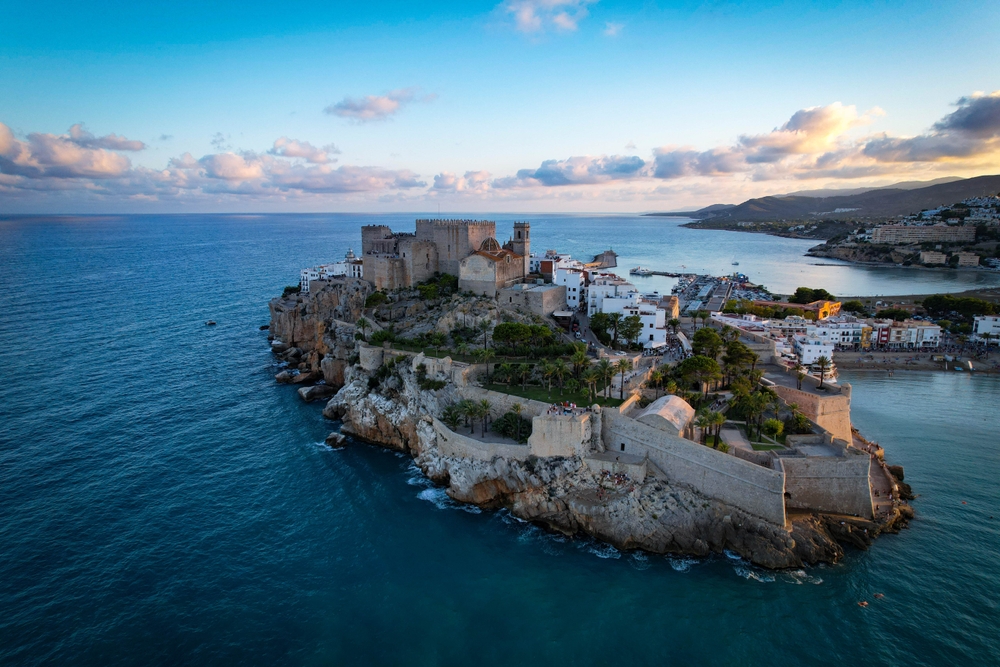
This compact blue-and-white town with cobbled, plant-lined streets sits on the Costa del Azahar (the Orange Blossom Coast). Its main attraction is Peñiscola Castle — a kind of time machine, a portal to the past. It was built by the warrior-monks of the Knights Templar on the ruins of an Arab fortress, and a couple of centuries later, in the fifteenth century, during the Western Schism, it became the refuge of Pope Benedict XIII, known as Pope Luna.
The bastion is in excellent condition — you can explore all the halls, rooms, and gardens, climb to the roof, and enjoy views of the Valencian coastline. On the way to the castle stands the famous "House of Shells" (La Casa de las Conchas, c/Faraones, 11). The family that built the house in the 1960s decorated it with shells that the owner traded with fishermen in exchange for tobacco.
Peñiscola has not escaped the attention of filmmakers and television crews. The sixth season of Game of Thrones was shot here, specifically the scenes set in the city of Meereen. The castle occasionally closes to the public due to filming. The sea has also left its mark: it has carved a 6-metre passage called El Bufador (El Bufador, C. Príncipe, 21), from which waves surge during storms, flooding the adjacent alleyway.
A working lighthouse, a monument to Pope Luna, the parish church of Santa María — the list of local attractions is quite impressive. The day can be rounded off with a walk along the magnificent five-kilometre North Beach (La playa del Nord), which holds the Blue Flag award.
7
Saint Joseph's Caves and the Underground River (Las Cuevas de San José)
By car: 49 km via AP-7 and V-21.A large free car park is available.
By public transport: suburban train C-6 to Xilxes station, then bus L363 to La Vall d'Uixó. Journey time 1.5–2 hours.
Caves: adult ticket €10, child ticket €5. Tours run every hour.
Photo: shutterstock.com
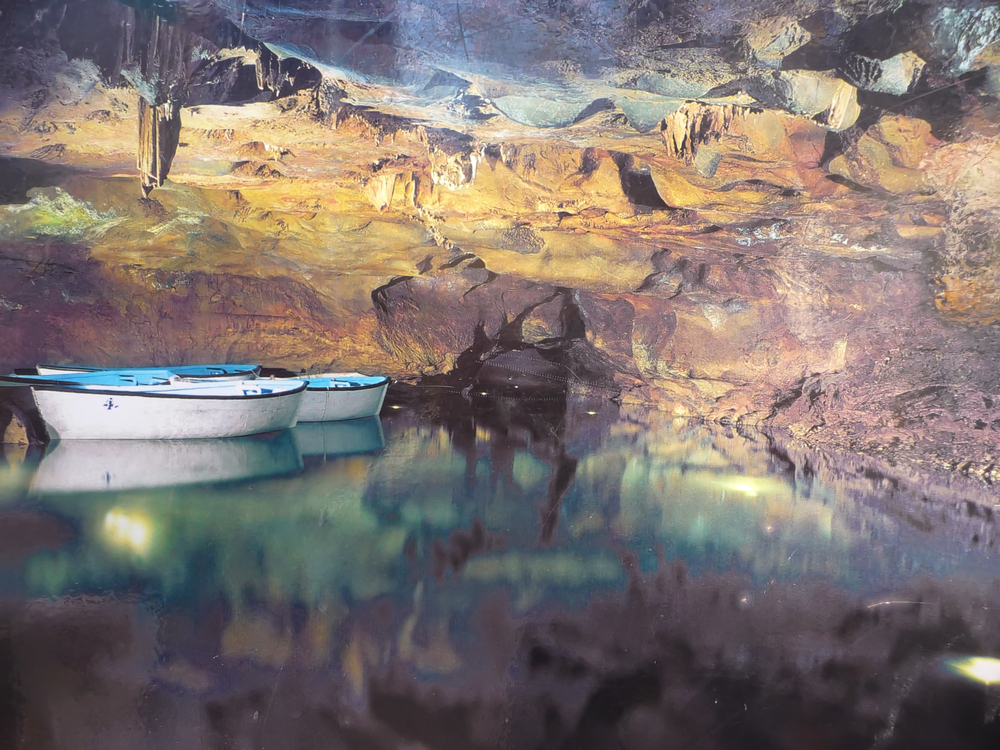
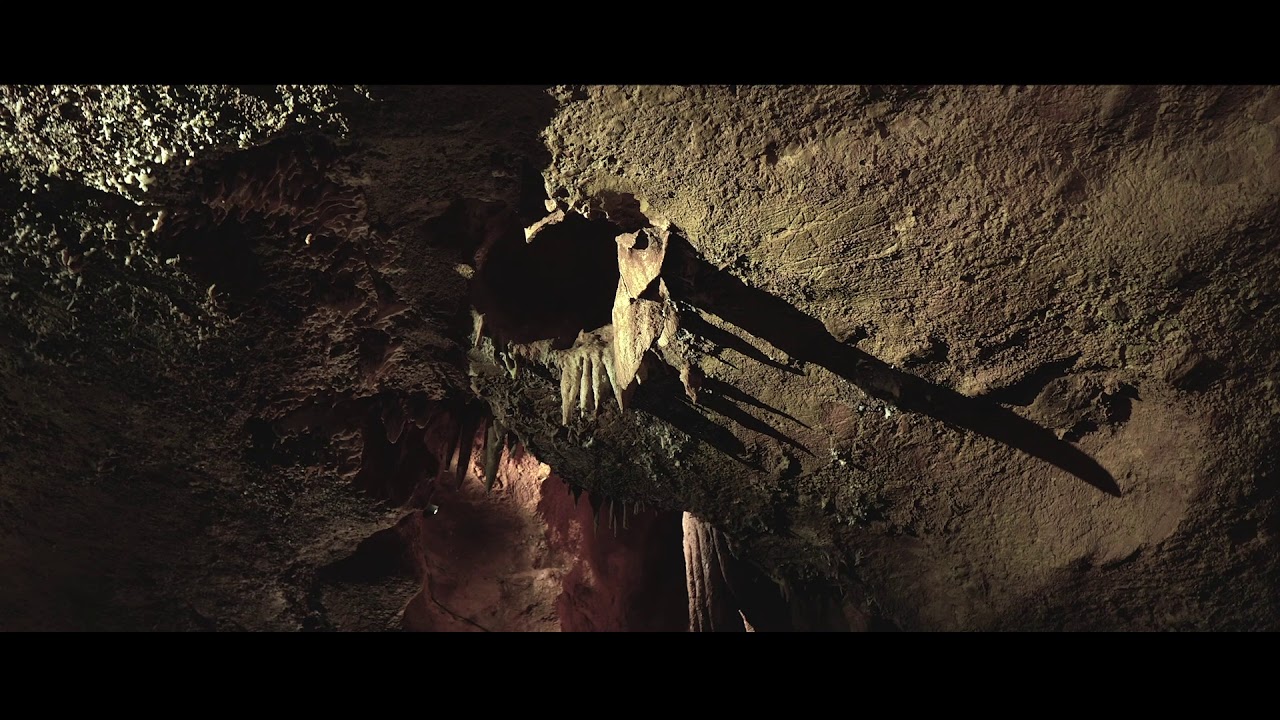
Located in the town of La Vall d'Uixó within the Sierra Espadán nature reserve, the caves offer visitors a mystical, tranquil, and rare experience. These are not simply caves — running through them is the longest underground river in Europe. The tour lasts 45 minutes and consists of an impressive boat ride past stalactites and stalagmites, with part of the route covered on foot. The river stretches 2 kilometres and 750 metres in total; the section navigable by boat is 800 metres. The air temperature inside is a constant 20°C year-round. The acoustics inside the cave are remarkable.
The caves were formed around 250 million years ago, and the earliest evidence of human presence dates to the late Palaeolithic period (around 17,000 years ago). The first full exploration of the underground system was carried out in 1902, when explorers reached the narrow passage known as La Boca del Forn. In 1926, cavers gained access to the Lake of Diana, and further underwater tunnels (siphons) were subsequently discovered. Some of the siphons were blasted open, revealing the Blue Pool, which is now part of the tourist route. The overland section was added in 1972. In 1971 and 1975, new galleries and siphons reaching depths of up to 2,348 metres were discovered. Despite extensive speleological exploration, neither the source of the river nor the point where the cave ends has yet been found.
Related Articles
—
The Complete Guide to Valencia: Landmarks, Markets, Beaches, and What to Eat
From the Cathedral's Holy Grail and the futuristic City of Arts and Sciences to the Central Market, Blue Flag beaches, and the real paella — everything you need to explore Spain's third-largest city
Barcelona in June 2026: Primavera Sound, Sónar And Sagrada Família's Final Tower
Twelve events worth a trip — from The Cure and Doja Cat at Primavera to Pope Leo XIV blessing the world's tallest church on the centenary of Gaudí's death, plus the fires and fireworks of Sant Joan.
Events in Valencia This Weekend 6-7 June
From historical 700-year processions and a massive wind festival to cherry markets, artisan kebabs, and live music—here is your ultimate guide to a sunny +26°C weekend in Valencia
Madrid in June 2026: Pope Leo XIV, BTS, Linkin Park, OneRepublic, and Free Museum Night
Ten events worth a trip to the Spanish capital — from a papal visit with 15 museums open free overnight, to Arkady Volodos at the Auditorio Nacional and live World Cup screenings on Plaza Colón
Ten Films and Series Shot in Spain That You Can Recognise on Screen
From the Hunger Games filmed in Asturian wilderness to Johnny Depp on Tenerife, Daenerys's gardens in Seville, and Coruscant in Valencia's City of Arts — a guide to Spain's most cinematic locations
International Museum Day in Valencia: Free Entry, Night Tours and Workshops — Full Programme
On 16 and 18 May, dozens of museums open their doors for free. The city's 19 municipal museums are free on both 16 and 23 May — no booking required
Eleven Things in Spain That Can Sting, Poison, or Burn You — and How to Avoid Them
From processionary caterpillars under pine trees to weeverfish buried in the sand, oleander growing in every park, and tiger mosquitoes active all day — a guide to Spain's less-talked-about seasonal hazards
Barcelona in May 2026: Bad Bunny, Molchat Doma, Museum Night, and the Reunion of the Decade
Stadium shows, intimate club gigs, a Monet-inspired exhibition at CaixaForum, and a free all-night museum crawl — here's everything worth doing in Barcelona this May
Valencia's Ruta de Tapas Turia Returns 4–14 June — 34 Venues, Tapas and Beer for €4.50
Across 11 days, bars and restaurants from Russafa to El Cabanyal reinvent traditional Valencian recipes, each pairing a signature tapa with a Turia Stark beer
ALDI Spain Launches Summer Prize Giveaway — Over 100 Prizes Daily and a €12,000 Trip
From 1 June to 31 July, every €15 purchase entered via the ALDI app counts towards daily prizes — from e-bikes to smartphones — plus a grand draw for a holiday of the winner's choice
A Venezuelan Web Designer Built a Free Coworking for Valencia's Women Freelancers
Every Friday in a Sabadell bank office, up to ten women gather to work side by side. Founded by Venezuelan web designer Patricia Ordóñez, House of Freelancers has grown into a community with its own summit
OWN Valencia 2026: Spain's Biggest Video Game Festival Returns to Feria Valencia 3–5 July
Esports finals with prize pools over €10,000, a 100-hour Movistar LAN Party, K-Pop dance and cosplay contests, VR, sim racing, retro games, and a kids' zone — tickets from €14 a day.
Coca-Cola Tops Spain's Most Popular Brands of 2026 — but El Pozo Leads in Seven Regions
Worldpanel by Numerator's annual ranking keeps the top five unchanged. Coca-Cola reaches 67% of Spanish households, while supermarket own-brands keep growing, now holding 45% of the market